
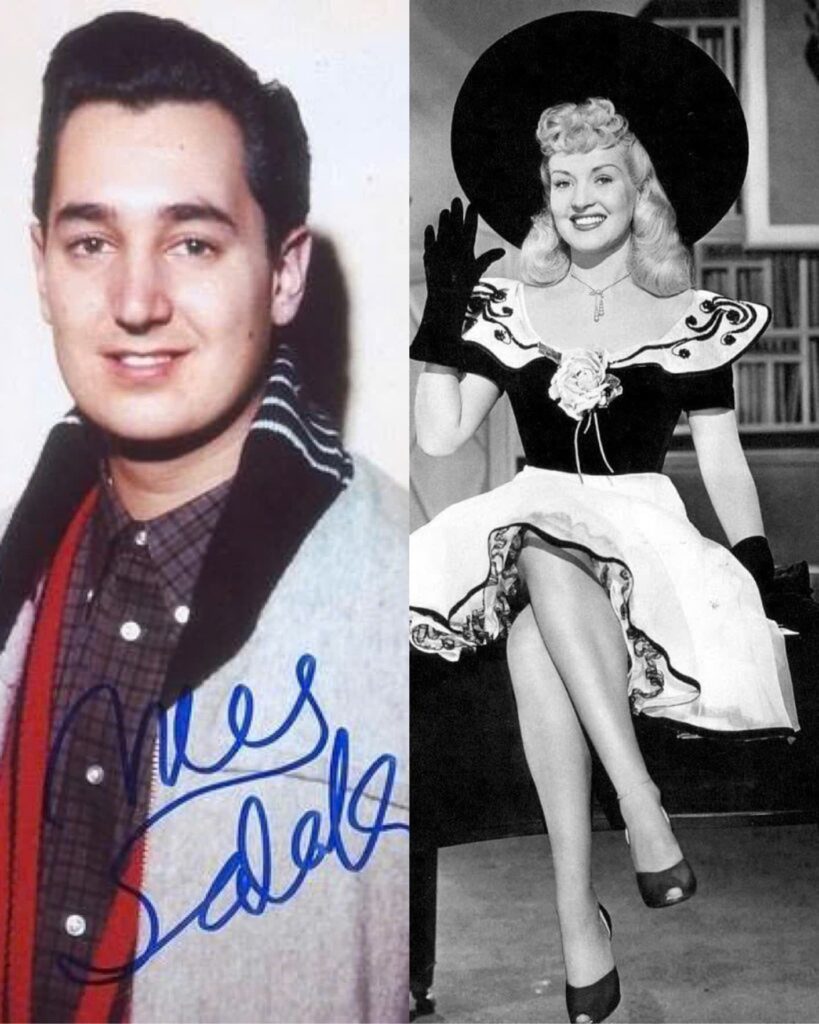
A Nostalgic Tribute in Melody , Neil Sedaka’s “Betty Grable” Revisited
In the long and evolving career of Neil Sedaka, certain songs stand out not for chart dominance but for their cultural sincerity. “Betty Grable” is one such recording, a reflective and personal composition that connects popular music with the golden age of Hollywood.
Released in 1975 as part of the album The Hungry Years, the song was written by Sedaka in collaboration with longtime partner Howard Greenfield. It emerged during a significant comeback period for Sedaka, when he was reestablishing his presence in the international music scene after a quieter phase in the late 1960s.
At its core, “Betty Grable” is a narrative song built on memory and admiration. The lyrics describe a young boy’s weekly visits to the cinema, where films offered escape and inspiration. The central figure is Betty Grable, one of the most iconic actresses of the 1940s, whose image became synonymous with glamour and wartime optimism. Through simple storytelling, Sedaka recalls collecting her pictures and being captivated by her on screen, portraying a form of youthful admiration that was widespread in mid twentieth century popular culture.
Musically, the song reflects Sedaka’s signature pop style, combining a gentle melody with clear vocal delivery. Unlike his early rock and roll influenced hits, this track leans toward a more mature and reflective tone, consistent with his work in the 1970s. The arrangement remains accessible, allowing the narrative to take center stage rather than complex instrumentation.
Live performances of “Betty Grable” further highlight its emotional resonance. The song was included in Sedaka’s later concert repertoire, notably appearing in recordings such as The Show Goes On Live at the Royal Albert Hall, demonstrating that it retained personal significance decades after its release. These performances often emphasize clarity and storytelling, aligning with Sedaka’s enduring reputation as both a songwriter and performer.
Importantly, the song does not attempt to fictionalize or dramatize beyond its premise. Instead, it presents a straightforward tribute to a cultural figure who shaped the imagination of a generation. This restraint gives the piece authenticity and historical value, offering insight into how cinema influenced everyday life and artistic expression.
Today, “Betty Grable” can be appreciated as more than a nostalgic track. It stands as a bridge between two eras, linking the Hollywood of the 1940s with the pop music revival of the 1970s. For listeners, it provides a quiet but meaningful reminder of how personal memory and popular culture often intersect to create enduring art.
 Timeless Melodies