
How Pink Floyd Transformed Uncertainty Into Immortality
The evolution of Pink Floyd between 1968 and 1972 stands as one of the most profound artistic transformations in modern music. Within just a few years, the band moved from uncertainty and fragmentation to creating works that would redefine the boundaries of rock as an art form. This journey is perhaps best understood by placing Corporal Clegg alongside the cinematic experience of Pink Floyd at Pompeii.
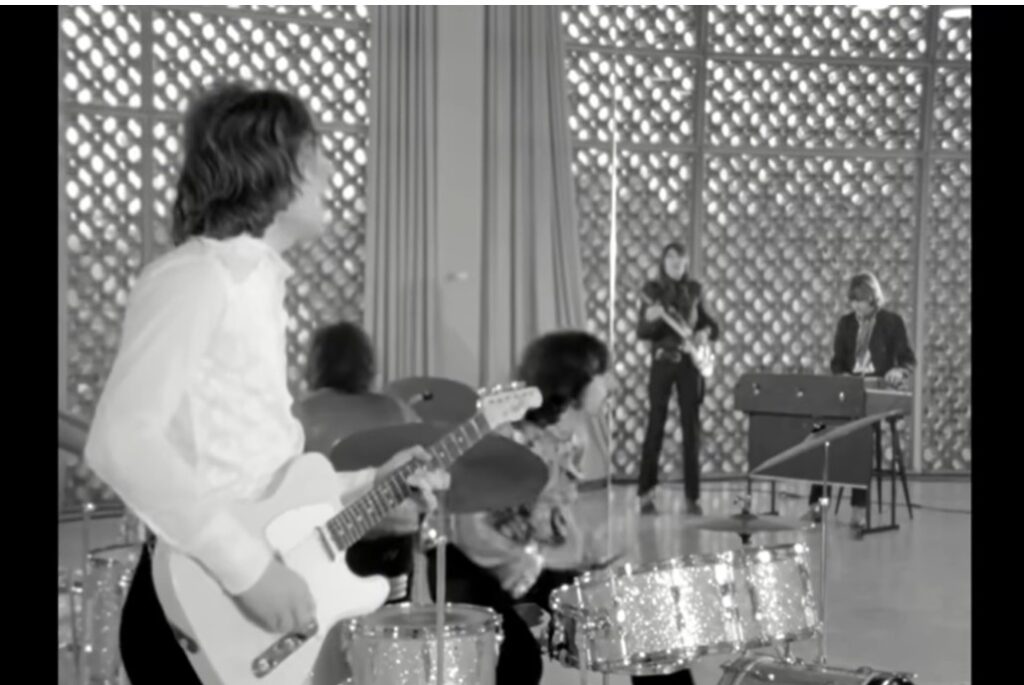
In 1968, Pink Floyd was navigating the aftermath of losing Syd Barrett, whose creative vision had originally defined the group. “Corporal Clegg,” featured on A Saucerful of Secrets, reflects a band searching for direction. Its unconventional structure, layered with irony and sonic experimentation, captures a sense of instability. Even as it touches on themes of war and disillusionment, the track feels unsettled, as though the band itself had yet to fully understand its own voice.
By contrast, the 1972 film “Pink Floyd at Pompeii” reveals a collective that has not only found its identity but expanded it into something far greater. Filmed in the haunting silence of an ancient Roman amphitheater, the performance rejects the traditional relationship between artist and audience. There are no crowds, no applause, only sound echoing against stone and sky. This absence becomes the defining presence. It transforms the music into something timeless, detached from any single moment or place.
The newly restored 2026 edition, enhanced with 4K visuals and remastered audio, deepens this experience while preserving its original intent. Additional material from Abbey Road Studios further connects the performance to the creative process behind The Dark Side of the Moon, an album that would soon cement the band’s legacy.
What emerges from this comparison is not simply growth, but transformation. “Corporal Clegg” represents a question, an exploration of identity in the wake of loss. “Pompeii” offers an answer, not through clarity, but through confidence. The band no longer searches for meaning within structure. Instead, it creates spaces where meaning can exist freely.
For modern audiences, this progression carries a lasting resonance. It suggests that artistic uncertainty is not a weakness, but a necessary stage in the creation of something enduring. Pink Floyd did not abandon their past. They absorbed it, reshaped it, and ultimately transcended it. In doing so, they turned a moment of instability into a legacy that continues to echo far beyond its time.