
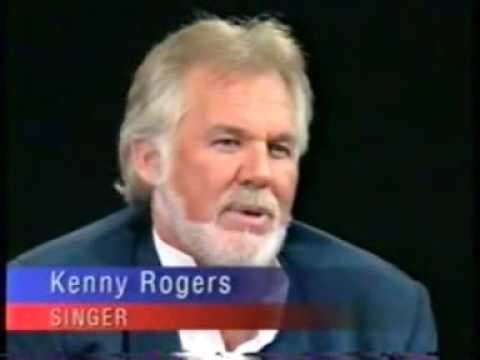
The Architect of Storytelling: Kenny Rogers In Conversation with Charlie Rose (Part 1)
With a quiet, dignified gravitas and the unhurried cadence of a master storyteller, Kenny Rogers sat down across the iconic round oak table for a definitive interview with Charlie Rose. This archival dialogue stands as a magnificent, behind-the-scenes masterclass in longevity, artistic intuition, and the hand-crafted business of entertainment—capturing “The Gambler” at a deeply reflective vantage point in his historic journey. The long-running Charlie Rose program on PBS was universally revered for stripping away the bright lights, house bands, and promotional gimmicks of standard late-night television. It offered a stark, intimate setting consisting of a single spotlight, a black backdrop, and an uninterrupted conversation. For a sophisticated global superstar like Kenny Rogers, this minimalist architecture was the perfect canvas to discard his stage persona and engage in a deeply intellectual, honest post-mortem of what it truly takes to build a multi-decade legacy across genres.
The core of this opening segment focused on a candid revelation that surprised many casual listeners: Kenny’s self-deprecating assessment of his own vocal mechanics. With total humility, Kenny explained to Rose that he never considered himself the most technically gifted vocalist in the room, nor did he possess a massive, operatic range. Instead, he attributed his monumental success to a singular, razor-sharp superpower: the innate ability to recognize a great story. For the connoisseur who appreciates the meticulous craftsmanship behind the hits, Kenny’s breakdown of his song-selection process was absolutely riveting. He explained that a song like “The Gambler” or “Lucille” succeeded primarily because it cast the listener as a viewer in a motion picture. He approached every lyric not as a singer trying to hit a spectacular, athletic note, but as a seasoned actor delivering a meaningful monologue, focusing on universal human truths like survival, heartbreak, and the quiet dignity of the working class.
What makes looking back at Part 1 of this interview so incredibly captivating today is the unique dynamic and the bridge of profound mutual respect between the two men. Charlie Rose, known for his relentless, deeply researched questioning, approached Kenny not just as a country singer, but as an American cultural institution. Kenny met this intellectual curiosity with a warm, raspy conversational tone that immediately drew the viewer in. Punctuated by Kenny’s quick, dry wit and a lifetime of hard-earned wisdom, this initial chapter beautifully explored the psychological weight of fame, the heavy sacrifices made on the road, and the delicate art of maintaining a grounded, humble identity when the entire world expects you to be a living legend twenty-four hours a day.
To look back on this archival treasure today is to experience a powerful, deeply comforting wave of sweet nostalgia. It transports the audience back to a golden era of broadcasting—a time when television could slow down, lower the volume, and allow two seasoned minds to unpack the complexities of art and life. For the long-time listener, this footage provides a gentle, highly reflective reminder of Kenny’s enduring class, intelligence, and sharp business acumen. It remains a permanent testament to a true gentleman who understood that the greatest gift an artist can offer is an honest story, well told—a monumental legacy that continues to warm our souls and command our deepest gratitude all these decades later.