
Two Songs, One Voice of a Generation — Dreaming of Love While Laughing Through Heartache
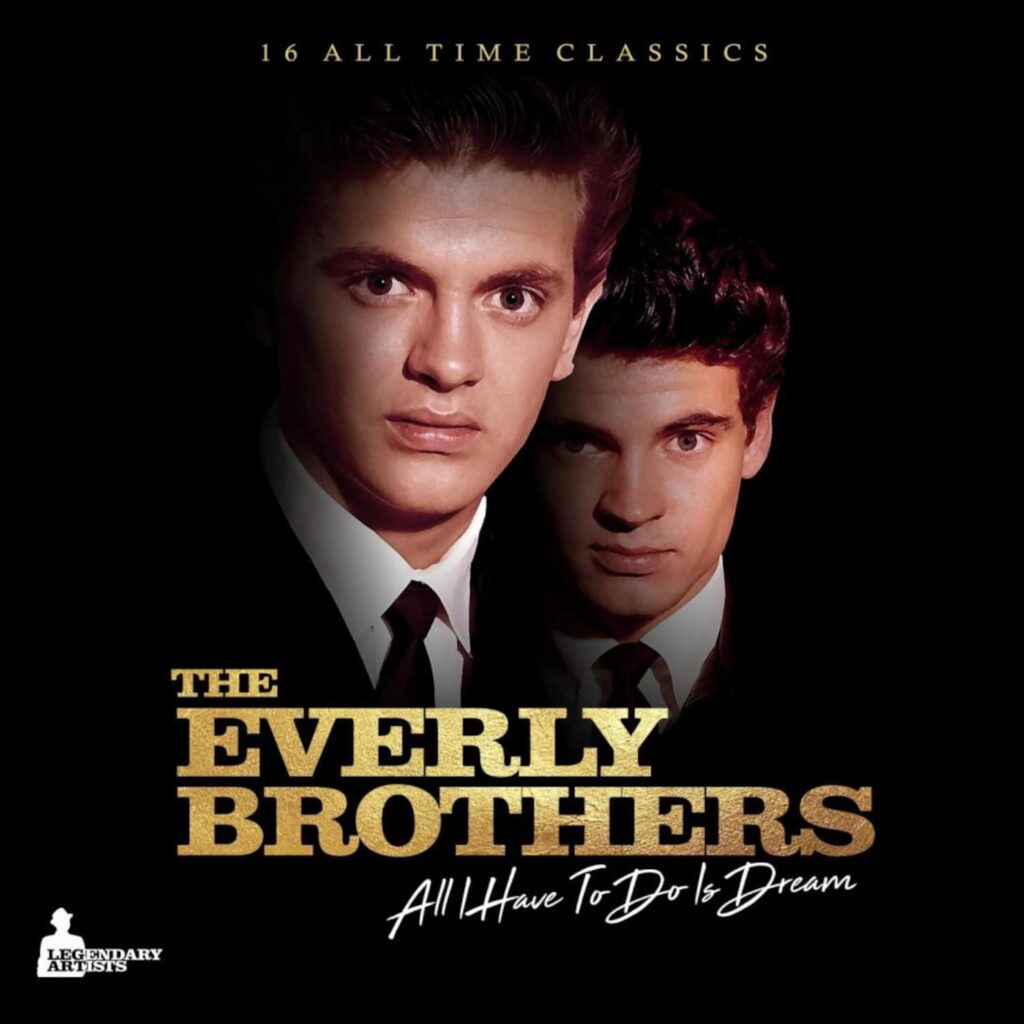
The pairing of “All I Have To Do Is Dream” and “Cathy’s Clown”, performed by The Everly Brothers and preserved in the 1960 Reelin’ In The Years Archives, offers a rare and deeply revealing portrait of a duo at the absolute center of popular music’s emotional landscape. These two songs, though written and released only a few years apart, represent opposite sides of love’s fragile coin: longing and disillusion, tenderness and wounded pride. Heard together, they feel less like separate hits and more like chapters from the same quiet autobiography.
By 1960, Don Everly and Phil Everly were no longer simply hitmakers. They were cultural reference points. Their sound—those close, brotherly harmonies—had already reshaped popular music, influencing everyone from The Beatles to Simon & Garfunkel. What makes this archival performance so powerful is not polish or spectacle, but confidence born of belonging. These were songs that already lived inside millions of people, and the Everlys sang them with the ease of men who knew exactly where they stood.
“All I Have To Do Is Dream”, originally released in 1958, was a landmark achievement. It reached No. 1 on the Billboard Hot 100, No. 1 on the country chart, and No. 1 on the R&B chart—a feat unmatched at the time. Written by Boudleaux Bryant, the song captured an innocence that felt timeless even then. Its lyrics are disarmingly simple: love exists not in possession, but in imagination. To dream is enough. When the Everlys sing it in 1960, the song sounds less like youthful hope and more like cherished memory—still beautiful, but already touched by experience.
The harmonies are the heart of the performance. There is no strain, no attempt to dominate. One voice leans into the other, perfectly balanced. This was the Everly Brothers’ great gift: intimacy without fragility, sweetness without weakness. In this archival moment, “All I Have To Do Is Dream” feels like a pause in time, a reminder of when love seemed uncomplicated and waiting felt romantic rather than painful.
Then comes “Cathy’s Clown”, and the emotional weather changes.
Released in 1960, “Cathy’s Clown” was the Everly Brothers’ first single for Warner Bros. Records, and it arrived with authority. The song reached No. 1 on the Billboard Hot 100 and No. 1 in the UK, staying there for weeks. Written by Don and Phil Everly themselves, it marked a turning point—not just commercially, but artistically. This was no longer the voice of boys dreaming. This was the sound of men who had been embarrassed, dismissed, and left standing in public.
The rhythm—driven by that distinctive, marching drum pattern—creates a sense of inevitability. The narrator of “Cathy’s Clown” is not broken-hearted in private. He is humiliated in plain sight. What makes the song endure is its restraint. There is no anger, no revenge. Just dignity reclaimed through distance. “I gotta stand tall / You know a man can’t crawl.” In the Reelin’ In The Years performance, that line lands with quiet force. It is not shouted. It is stated.
Heard back-to-back, these two songs tell a complete emotional story. “All I Have To Do Is Dream” represents love as ideal. “Cathy’s Clown” shows love as reality. One floats. The other walks away. And yet, both are delivered with the same calm assurance, the same unforced harmony. That consistency is what made the Everly Brothers so trusted. They never exaggerated emotion. They allowed listeners to meet the songs where they lived.
The 1960 archival footage preserves more than music. It preserves a moment when popular songs were allowed to be subtle, when heartbreak could be expressed without melodrama, and when harmony itself carried meaning. The Everly Brothers stood between eras—bridging country, pop, and the coming folk-rock revolution—and these performances show exactly why they mattered.
Today, these songs still resonate because they speak in a language that never grows old. Dreams still arrive at night. Pride is still wounded in daylight. And sometimes, the most honest thing a song can do is sing softly, in two voices, and tell the truth without raising its voice.
In “All I Have To Do Is Dream / Cathy’s Clown”, the Everly Brothers remind us that love does not always end in triumph—but it can always be remembered with grace.