
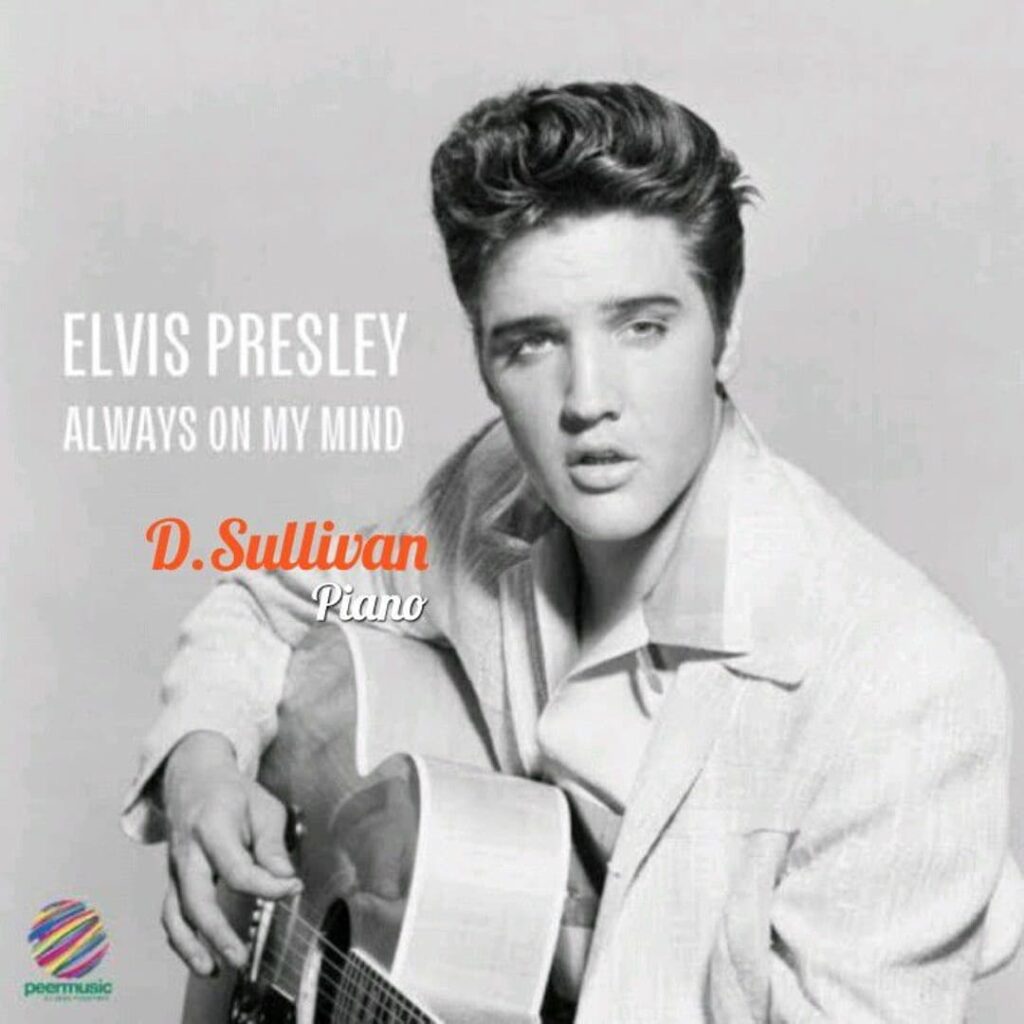
A tender confession wrapped in longing and quiet regret
Elvis Presley’s Always on My Mind arrives like a soft sigh from a man who has finally found the courage to speak the words his heart held for too long. From the very first line, you can hear a kind of trembling honesty, as if every syllable carries the weight of something once unspoken. When Elvis recorded the song in late March of 1972, his life was in a difficult and fragile place. His separation from Priscilla had just become public, and the emotional strain surrounding that moment seemed to seep naturally into his voice. The world heard not a superstar singing for the stage, but a man confessing quietly into the dark.
At the time of its release, Always on My Mind appeared as the B side of the single Separate Ways in the United States, yet it refused to stay in the shadows. Radio stations treated the single as having two leading tracks, and listeners responded with strong affection. The song eventually reached number 16 on the Billboard Hot Country Singles chart in late 1972. In the United Kingdom, where the single was issued with Always on My Mind as the main song, it climbed into the Top Ten and settled at number 9. Over time, its stature only grew. In a 2013 national poll in the UK, it was even voted the country’s most cherished Elvis recording.
The story of the song itself is rooted in an experience both ordinary and deeply human. Songwriter Wayne Carson once described how the initial idea came to him during a simple phone call. He had been away for too long, missing home, and told his wife that he had been thinking about her constantly. That sentiment stayed with him until it turned into the first lines of a song. He later finished it with Johnny Christopher and Mark James, and together they created a piece built from sincere regret and hope for forgiveness. When Elvis entered the studio with the song in hand, he brought not only his voice but his wounds, which gave the performance an intimacy that listeners still feel decades later.
The meaning of Always on My Mind rests in the small but powerful admissions of someone who recognizes that love was present even when care was not expressed. It speaks for anyone who has looked back on a relationship and realized the missed gestures, the forgotten words, the kindness that was assumed rather than shown. The line about being blind does not describe physical blindness. It is the blindness of taking love for granted and only understanding its depth when faced with loss. Elvis does not sing these words grandly or theatrically. His tone is gentle, almost pleading, with a softness that feels like a private confession meant for one listener alone.
As the years passed, the song became one of the most recorded pieces in modern music history. Artists from Willie Nelson to the Pet Shop Boys offered their own interpretations, each highlighting different shades of its emotion. Yet Elvis’s version remains the one that many return to when they want to feel the original ache of the melody. His voice carries the sense of a man confronting himself and admitting, perhaps too late, how deeply he cared.
Listening to Always on My Mind today feels like opening a letter from long ago. It reminds us of the delicate nature of affection, of the importance of small moments, and of how regret can live quietly in the heart. For those who know the taste of lost love or the ache of hindsight, the song becomes more than music. It becomes a memory, gently awakening the truths we once held close and the words we may have wished to say.