
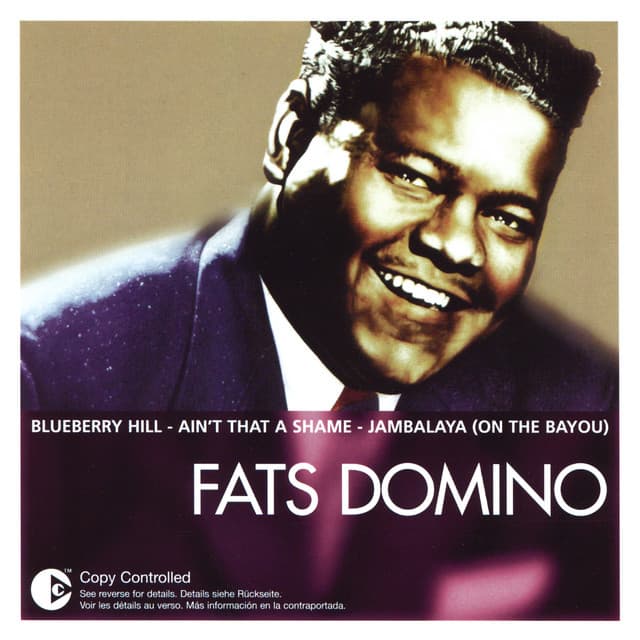
The Architect of the New Orleans Groove: An Open Invitation to the Birth of Rock and Soul
In the autumn of 1959, as the first decade of rock and roll was drawing to a triumphant close, Fats Domino released a track that perfectly encapsulated his role as the genre’s most welcoming ambassador. “Be My Guest” was more than just a hit; it was a rhythmic manifesto that peaked at number eight on the Billboard Hot 100 and number two on the R&B charts. For the sophisticated listener who remembers the vibrant energy of the late 50s, this song represents the pinnacle of the “New Orleans Sound”—a sophisticated blend of rolling boogie-woogie piano, a driving horn section, and the unmistakable, warm-as-molasses vocals of “The Fat Man.” It was a recording that invited everyone, regardless of background, to step into the light and join the celebration.
The story behind “Be My Guest” is one of classic New Orleans synergy. Recorded at the legendary Cosimo Matassa’s J&M Studio, the track features the unparalleled “Real Love” for rhythm shared by Fats and his longtime collaborator, producer Dave Bartholomew. The legend goes that the song was partially inspired by a young fan who waited outside Fats’ house; Fats, ever the gentleman, invited him in. That spirit of genuine hospitality permeates the recording. The arrangement is built on Fats’ signature “triplet” piano style—a technique that provided the rhythmic blueprint for much of early rock and roll. Behind him, the band plays with a loose, swinging precision that feels like a Saturday night on Bourbon Street, proving that the “Good Stuff” in music often comes from the sheer joy of the performers.
Lyrically, the song is a masterclass in charm and social grace. It functions as a joyful invitation to a party where the only requirement is a desire to “have a ball.” For those who have navigated the long decades of social change, the song resonates as a reminder of a time when music served as a universal language of connection. The “meaning” lies in its lack of pretension; it is a song about the dignity of being a good host and the simple pleasure of shared experience. Fats doesn’t just sing the invitation; he inhabits it with a smile you can hear through the speakers. It represents a sophisticated take on the “party record,” elevated by the impeccable timing and the deep, soulful groove that only the New Orleans masters could provide.
To listen to this track today is to engage in a profound act of musical nostalgia. It evokes memories of neon-lit diners, the tactile click of a jukebox, and the effortless cool of an era where rhythm was king. For the listener who values the nuances of a storied history, “Be My Guest” serves as a sensory portal back to the foundations of the Rock and Roll Hall of Fame. There is a “brightness” and a “roundness” to this 1959 recording—a sonic representation of Fats’ own personality—that remains infectious. It reminds us that at its best, music isn’t a performance to be watched, but a space to be entered.
Today, “Be My Guest” stands as a shining pillar of the Fats Domino legacy, a reminder of why he sold more records in the 50s than anyone except Elvis Presley. It remains an essential chapter in the story of American music, influencing everyone from the Beatles to the ska pioneers of Jamaica. To revisit it now is to honor the man who turned a piano into a party and a song into a home. It invites us to look at our own “Water & Bridges”—the ways we connect with others—and to remember that a little bit of hospitality and a great rhythm can bridge almost any divide.