
The Architecture of Heartbreak: A Symphony of Harmonic Defiance
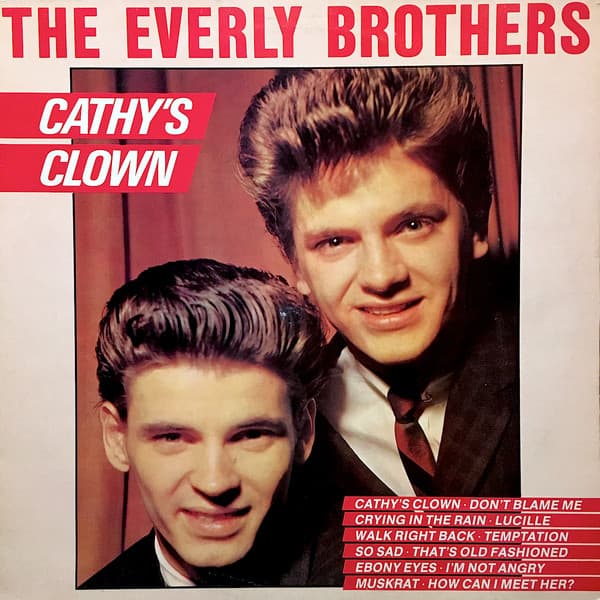
In the spring of 1960, as the innocent melodies of the fifties began to meld with the rhythmic complexity of the new decade, The Everly Brothers released a record that would fundamentally alter the landscape of popular music. “Cathy’s Clown” is the “Good Stuff”—a track of such structural brilliance and “vibrant” emotional honesty that it became a global phenomenon. Released as their debut single for Warner Bros. Records, the song achieved a feat few could mirror: it soared to No. 1 on the Billboard Hot 100, holding the top spot for five weeks, while simultaneously conquering the UK charts. For the sophisticated listener who appreciates the “Water & Bridges” of a storied musical history, this track represents the absolute zenith of the Rock and Roll Hall of Fame duo’s influence.
The story behind this masterpiece is one of profound artistic intuition and “Real Life” inspiration. Borrowing a rhythmic concept from Ferde Grofé’s “Grand Canyon Suite,” Don Everly sought to create a “pensive” yet driving sound that captured the internal chaos of a man being publicly humiliated. Recorded at RCA Victor Studio B in Nashville, the production features a tactile, thunderous drum beat and a shifting time signature that was revolutionary for its time. However, the true “clarity” of the song lies in Don and Phil’s vocal arrangement. Singing in their signature close-harmony style, their voices don’t just blend; they ache. It was a “Water & Bridges” moment where the traditional Nashville sound met the avant-garde of pop, creating a “stillness” in the verses that erupts into a chorus of heartbreaking power.
Lyrically, “Cathy’s Clown” is a sophisticated autopsy of wounded pride. It speaks to the “ghosts” of a one-sided love and the devastating realization of being the subject of ridicule. For those who have navigated the long decades of a lived history, the song resonates as a truthful depiction of the vulnerability required to love and the resilience needed to walk away from a “clownish” situation. The “meaning” lies in the narrator’s final, defiant stance—a refusal to remain the puppet of another’s whim. It represents a sophisticated take on the “jilted lover” archetype, viewing the act of reclaiming one’s dignity as a heroic, albeit painful, necessity. It reminds us that the “Good Stuff” in life often involves the courage to step out of a spotlight that no longer honors who we are.
To listen to this track today is to engage in a vivid act of musical and cultural nostalgia. It evokes the sensory world of 1960—the smell of rain on a summer sidewalk, the tactile feeling of a heavy vinyl record spinning at 45rpm, and the unmistakable “vibrancy” of an era where every note felt like a revelation. For the listener who values the nuances of a lived-in past, the Everly Brothers provide a sensory sanctuary. There is an “elegance” in this Don Everly-penned classic that remains strikingly modern, reminding us that true mastery is the ability to turn a private humiliation into a universal anthem of strength. It invites us to honor our own “Real Love” stories, even the ones that left us standing in the rain, acknowledging the wisdom we gained from every roll of the dice.
Today, “Cathy’s Clown” stands as a “connoisseur’s choice” within the canon of the Great American Songbook, later inducted into the National Recording Registry for its cultural significance. It remains a testament to the brothers’ status as the ultimate architects of vocal harmony. To revisit it now is to honor the men who turned “Real Life” heartache into high art. It encourages us to find our own “rhythm” in the memories of our youth, reminding us that while we may have played the clown once or twice, the music we made along the way is a legacy of pure, unadulterated “Good Stuff.”