

Remembering Paradise Through Song
Few songwriters in American music captured the spirit of place and memory as vividly as John Prine. Among his many beloved compositions, the song Paradise stands as one of the most powerful examples of how a simple folk performance can preserve history and personal memory.
Written in the early 1970s and included on Prine’s self titled debut album John Prine, the song tells the story of a small Kentucky town that disappeared as a result of coal mining. Through gentle guitar accompaniment and straightforward storytelling, Prine transformed a local memory into a song that resonated with audiences across the United States.
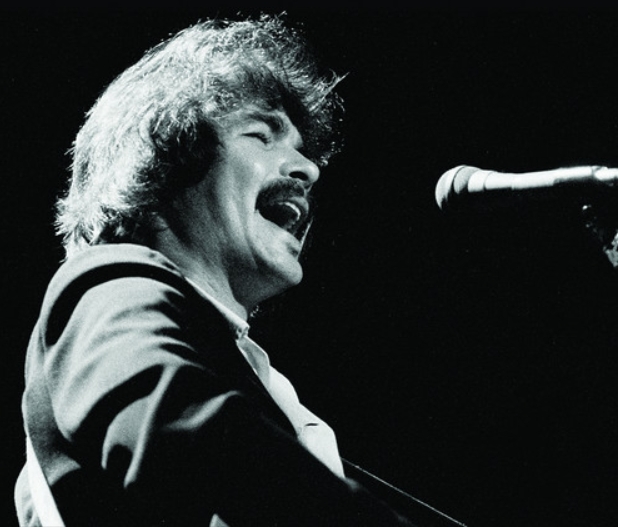
The performance widely shared among fans shows Prine delivering Paradise in his characteristic style. Standing with an acoustic guitar and addressing the audience with warmth, he begins by recalling childhood trips his family made to western Kentucky, the region where his parents were born. These personal reflections form the emotional foundation of the song and help listeners understand the connection between the songwriter and the landscape he describes.
The lyrics focus on Muhlenberg County, Kentucky, an area located along the Green River. In the song Prine sings about a place called Paradise, a community that once existed in the region but was eventually dismantled when coal companies expanded their mining operations. The story refers to the activities of the Peabody Coal Company, whose large scale strip mining transformed the landscape during the mid twentieth century.
Prine’s chorus repeats a line that became instantly recognizable to fans. The narrator asks his father to take him back to Muhlenberg County down by the Green River where Paradise once stood. The father replies that it is too late because the coal company’s train has already carried it away. With this simple exchange Prine captures both nostalgia and quiet protest against environmental destruction.
During the performance the audience responds warmly, often applauding between verses as the familiar melody unfolds. The arrangement remains intentionally modest. Acoustic guitar leads the music while Prine’s relaxed vocal delivery allows the lyrics to remain at the center of attention. This approach reflects the broader tradition of American folk music, where storytelling often carries as much importance as the melody itself.
Over time Paradise has become one of John Prine’s signature songs and a lasting tribute to the place that inspired it. Though the town itself may no longer exist, the song continues to keep its memory alive. Through performances like this one, Prine reminds listeners that music can preserve not only emotion but also the stories of communities and landscapes that might otherwise be forgotten.
Video:
 Timeless Melodies