
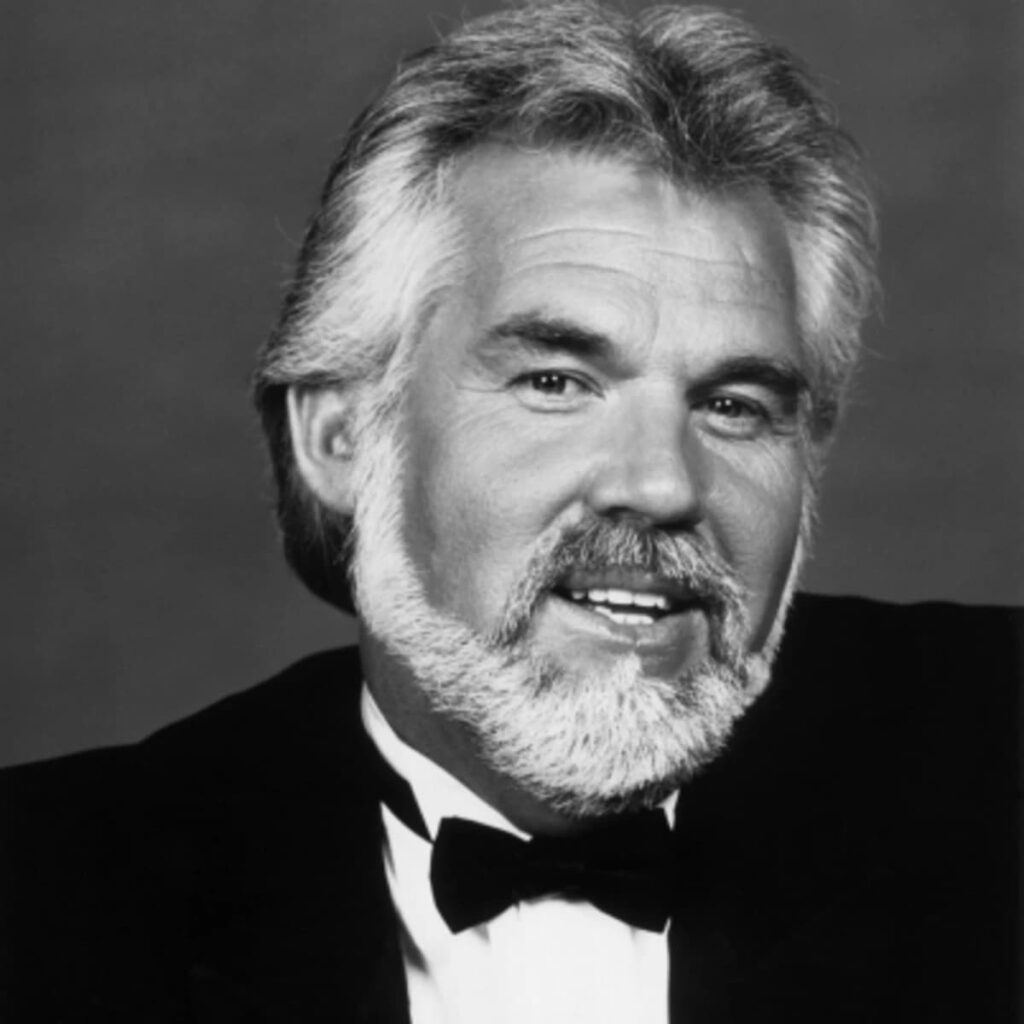
A gentle, rueful goodbye-to-the-road and a song of love lost “Sweet Music Man” by Kenny Rogers
“Sweet Music Man” stands as a tender confession of loneliness and hard truths a man’s farewell to the stage, his memories of love, and the sorrow of realizing that even the sweetest songs can’t mend a broken heart.
Released on October 10, 1977, Sweet Music Man was the final single from Kenny Rogers’ 1977 album Daytime Friends. At the time, the song reached No. 9 on the U.S. Billboard Hot Country Songs chart, and also crossed over to pop audiences, peaking at No. 44 on the Billboard Hot 100. In Canada, it enjoyed even greater success hitting No. 1 on both the RPM Country and Adult Contemporary charts by the end of 1977.
The story behind “Sweet Music Man” is rooted in a moment of raw honesty and shared struggle. According to accounts, Kenny Rogers was inspired during a flight from Los Angeles to Nashville when he listened to his friend’s singer Waylon Jennings wife pour out the difficulties in their marriage. Moved by her story, Rogers began writing a song that night. Though the song began as an attempt to express her pain, by the time he finished writing, he realized the words resonated within his own life as well.
Lyrically, the song is a haunting address to a lover, but also a farewell to the stage, to the lights, and to the illusions of youth. Rogers sings about having “a musty smell and a worn out coat” and vows “to walk away,” telling the listener to “sing me a song, sweet music man,” because he can no longer stay. Those opening lines already carry the weight of exhaustion and the pain of loss not only of love, but of something precious that once was hope and possibility.
Musically, “Sweet Music Man” showcases Rogers’s shift away from pure country to a more reflective, smoother style a music that blends melancholy and melody. The arrangement is soft, rich with gentle strings and guitars, creating an atmosphere of late-night reflection rather than foot-stomping dance. As noted soon after its release, the production emphasized “pop-oriented” touches alongside country roots, helping the song reach across audiences.
Emotionally, the song resonates deeply. It feels like a letter perhaps to a lover, perhaps to fans, perhaps to oneself acknowledging mistakes, regrets, and the harsh clarity that comes with time. In interviews, Rogers admitted the song became “about me” rather than just about a friend’s troubles. ) That honesty the willingness to confront pain, regret, and self-doubt is what gives the song its haunting power decades later.
Over time, “Sweet Music Man” has outlived its original era. It has been covered by many celebrated artists, such as Dolly Parton (on her 1977 album Here You Come Again) and later by Reba McEntire in 2001 whose version also charted on the Billboard Country chart. The song remains a favorite for singers seeking to convey sorrowful introspection, longing, and the bittersweet passage of time. Even in tributes and live performances after Rogers’s passing, “Sweet Music Man” is often chosen to honor his legacy a testament to how deeply the song touched listeners.
For older listeners those who may remember the soft crackle of vinyl, the hush after the needle lands “Sweet Music Man” evokes a certain kind of nostalgia. It brings to mind fading stage lights, lonely hotel rooms, the emptiness after applause fades, and hearts weighed down by memories. It’s not a cheerful song; it’s a song for quiet evenings, deep thoughts, and unspoken sorrow.
In the end, Kenny Rogers’s “Sweet Music Man” is more than a melancholic country tune: it is a heartfelt confession, a farewell, and a deeply human meditation on loss and regret. It speaks to the soul of anyone who has known love, mistakes, and the slow ache of aging and it reminds us that sometimes, the greatest music comes from the places where our hearts have broken.