
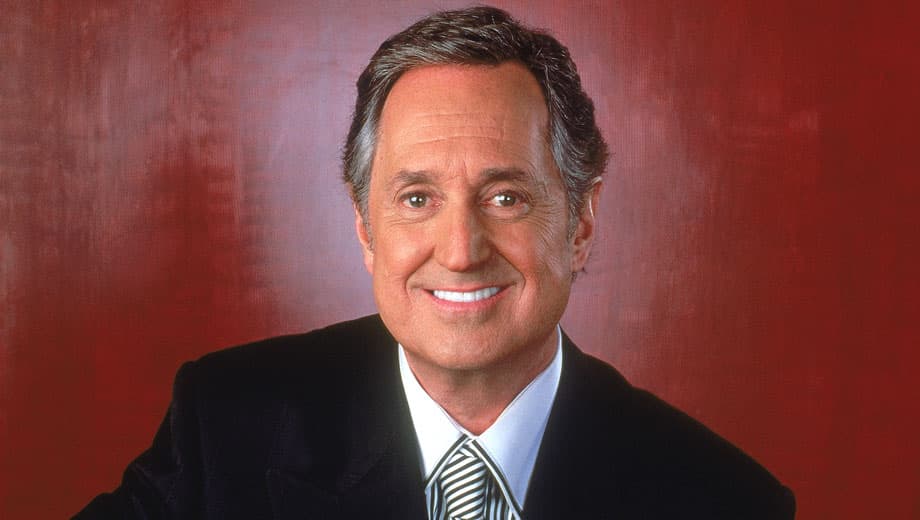
Remembering the Career and Musical Legacy of Neil Sedaka
Few figures in popular music have built a career as enduring and influential as Neil Sedaka. For more than six decades, Sedaka helped shape the sound of pop music through memorable melodies, piano driven arrangements, and a remarkable gift for songwriting. His work as both a performer and composer placed him among the most recognizable artists of the late nineteen fifties and early nineteen sixties, while his later comeback confirmed his ability to adapt to changing musical landscapes.
Sedaka was born on March 13, 1939 in Brooklyn. Raised in a hardworking immigrant family, he developed a strong interest in music at an early age. His mother recognized his talent and encouraged him to study piano while he was still a child. By the age of eight he was already receiving formal instruction and showing a natural sense for melody and harmony. His musical promise led him to study at the Preparatory Division for Children at Juilliard School, where he received classical training that later influenced his pop compositions.
During his teenage years Sedaka attended Abraham Lincoln High School. There he met fellow student Carole King, who would later become one of the most celebrated songwriters of her generation. Sedaka’s early experiences in school music groups helped him develop both performance skills and songwriting confidence.
His professional career began in the late nineteen fifties when he joined the vocal group The Tokens. Soon afterward he launched a solo career and signed with RCA Records. His breakthrough arrived in 1959 with the international hit Oh Carol. The playful song became widely popular and established Sedaka as a new voice in the emerging pop rock era.
During the early nineteen sixties he released a series of successful recordings that defined his reputation. Songs such as Breaking Up Is Hard to Do, Calendar Girl, and Happy Birthday Sweet Sixteen became chart favorites in the United States and internationally. At one point he ranked among the best selling pop artists of the period, second only to Elvis Presley in record sales.
The mid nineteen sixties brought changes to the music industry as the The Beatles and other British groups transformed the pop charts. Sedaka responded by focusing more heavily on songwriting and eventually staged a major comeback in the nineteen seventies. His renewed success included the popular recordings Laughter in the Rain and Bad Blood, both of which reintroduced him to a new generation of listeners.
Throughout his career Sedaka also maintained a stable personal life. In 1962 he married Leba Sedaka, and the couple raised two children while he continued touring and recording. His achievements were formally recognized when he was inducted into the Songwriters Hall of Fame in 1983.
Sedaka passed away on February 27, 2026 at the age of eighty six after a brief hospitalization. His death marked the end of a remarkable life dedicated to melody, creativity, and storytelling. Today his songs remain part of the enduring soundtrack of popular music, continuing to be performed and celebrated around the world.
 Timeless Melodies