
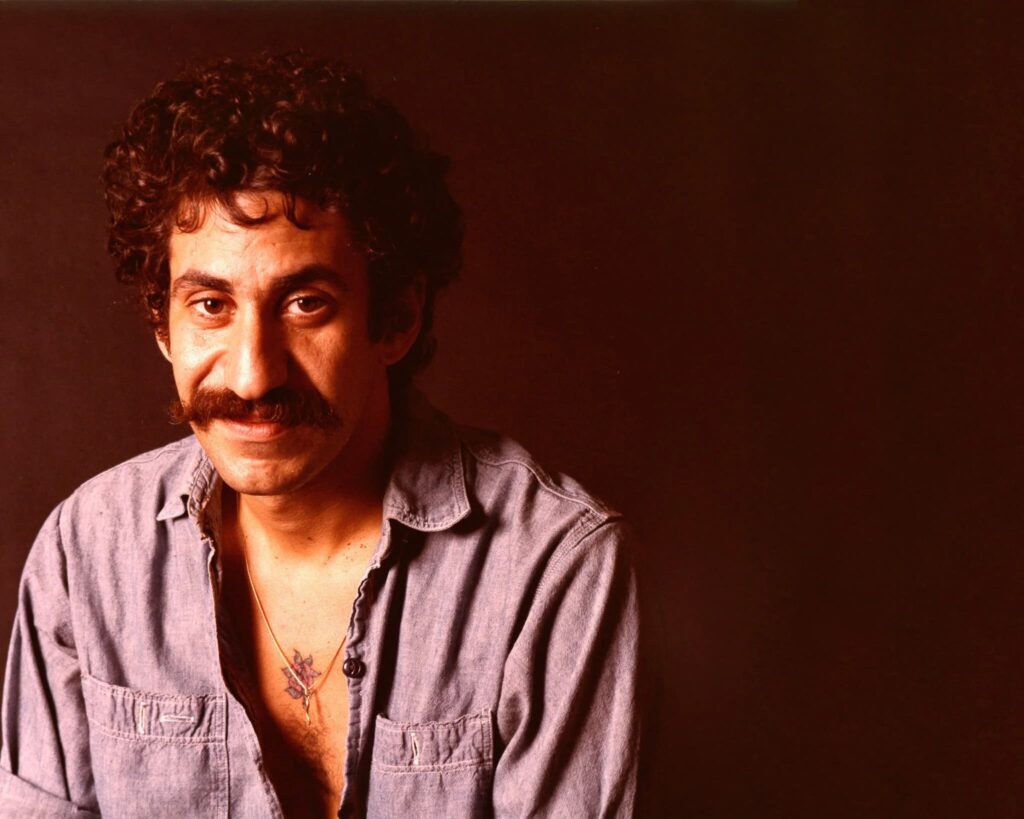
An enduring anthem of identity and purpose “I Got a Name” by Jim Croce
When “I Got a Name” begins, there’s a gentle but resolute affirmation in every chord it’s a song that declares dignity, roots, and the quiet pride of being true to oneself.
Released on September 21, 1973, as the lead single from the album of the same name, Jim Croce’s “I Got a Name” became a poignant milestone: it was, tragically, his first posthumous hit, issued just one day after his untimely death in a plane crash. The single climbed to No. 10 on the U.S. Billboard Hot 100, and reached No. 3 on the Cash Box Top 100 chart. In Canada it peaked at #8 on the RPM chart, and also did well on Adult Contemporary charts.
The song was written by Charles Fox (music) and Norman Gimbel (lyrics) an uncommon move for Croce, who usually wrote his own songs. According to Gimbel, the song spoke to Croce because it resonated with his personal story: his father had once dreamed of success for him, but died before seeing it. Croce decided to record the song during sessions in mid‑1973 (at Hit Factory, New York City). Producers asked him to set aside the guitar to let his voice alone carry the melody and the result was a performance of clarity, dignity, and heartfelt intention.
Musically, “I Got a Name” is rooted in folk‑rock with soft‑rock sensibilities and a dash of orchestral warmth. The arrangement features acoustic guitar, steady rhythm, subtle string touches, and Croce’s rich baritone a voice that balances tenderness and determination. The “Stereo Version,” widely available today, preserves that clarity and emotional depth, making the song feel as immediate and resonant as it must have in 1973.
Lyrically, the song unfolds as a quiet, dignified ode to individuality, heritage, and self‑respect. Opening lines like:
“Like the pine trees lining the winding road I got a name, I got a name…”
paint images of nature, rootedness and identity. The recurring refrain “I got a name and I carry it with me like my daddy did” speaks not only to family legacy but to the inner conviction that defines a person beyond fame, fortune, or external validation.
But this personal affirmation carries universal weight: it becomes a hymn for all who long to be recognized for who they are their beliefs, dreams, and stories. In the context of Croce’s sudden death, the song’s promise becomes bittersweet. Listeners hear not only the aspiration of a working artist, but the tragic end of a voice that still had much to give. Many contemporaries saw the song as a poignant farewell, a final testament to Croce’s integrity and human spirit.
Over time, “I Got a Name” has taken on an almost mythic status. It became the title track of his final studio album I Got a Name, released December 1, 1973 which itself soared to No. 2 on the U.S. album chart, a testament to Croce’s enduring popularity. Since then, the song has lived on through films, television, cover versions, and generations of listeners who find in its lyrics solace and motivation. Directors like Quentin Tarantino have used it to soundtrack scenes of identity, freedom, and reckoning amplifying its emotional power in new contexts.
If played for someone who remembers the early 1970s perhaps in a cozy living room or on a late‑night radio “I Got a Name” can stir memories of aspiration, youthful dreams, longing for recognition, and the bittersweet ache of loss. It reminds one that behind every name is a story: roots, hopes, struggles, and sometimes, an unfinished journey.
At its core, Jim Croce’s “I Got a Name” is more than a song it’s an affirmation of self, a tribute to integrity, and a gentle but powerful reminder: we carry our name with us, shaped by ancestry, choices, and the courage to live true to our identity. Even decades later, its voice remains warm, humble, and hauntingly real.