
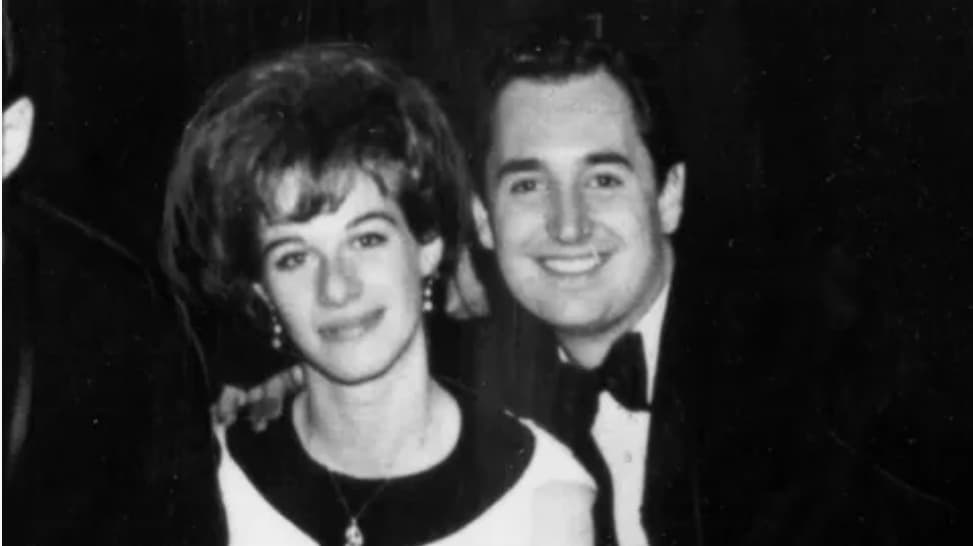
When Carole King responded to “Oh Carol” with “Oh Neil”: The 1959 musical response transformed romance into a Pop dialogue.
In the vibrant landscape of late 1950s American pop music, one of the most charming musical exchanges emerged between two young songwriters who would both become influential figures in popular music. In 1959, Carole King recorded the playful single “Oh Neil,” a witty response to the hit song “Oh! Carol” by Neil Sedaka. The recording stands as a unique moment in early pop history, when personal relationships and songwriting intersected in the public eye.
The story began when Sedaka, working with lyricist Howard Greenfield, wrote and released “Oh! Carol.” The song, issued in 1959, quickly became a major pop success and reached No. 9 on the Billboard Hot 100, helping establish Sedaka as one of the emerging stars of the era.
The inspiration behind the hit was deeply personal. Sedaka wrote the song about Carole King, whose real name was Carol Klein, a fellow aspiring songwriter he had known since their high school days in Brooklyn. Their shared musical ambitions reflected the creative spirit of New York’s growing songwriting scene during the late 1950s.
Soon after the success of Sedaka’s record, King answered in a humorous musical reply. Her song, “Oh Neil,” was written with lyricist Gerry Goffin, who would later become King’s husband and longtime songwriting partner. The track mirrored the playful tone of Sedaka’s original while gently teasing the singer who had immortalized her name in pop lyrics.
Although “Oh Neil” did not achieve the same commercial success as Sedaka’s hit, the recording captured an intriguing moment in the Brill Building era, when young writers experimented with storytelling, humor, and personal connections in their music. The exchange between the two songs effectively created one of pop music’s earliest “answer records,” a format in which one song responds directly to another.
Musically, King’s recording reflects the bright, piano driven pop style that defined the late 1950s, while also hinting at the songwriting instincts that would later make her one of the most celebrated composers of the twentieth century. Years later, she would gain worldwide acclaim with classic works and influential albums that shaped the sound of modern singer songwriter music.
Today, “Oh Neil” remains a delightful historical footnote in pop culture. More than just a novelty track, it offers a glimpse into the early careers of two artists whose youthful creativity helped shape the sound and storytelling of popular music. In its playful spirit, the song reminds listeners that sometimes the most memorable chapters of music history begin with a simple reply.