
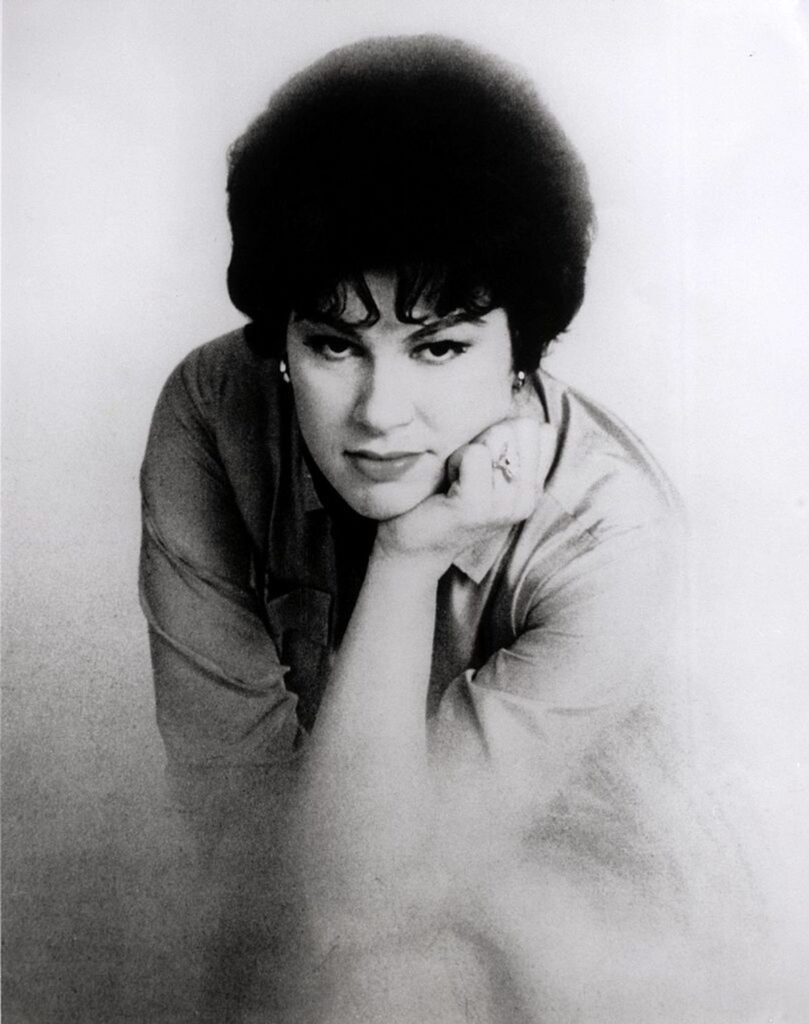
Echoes Before Stardom: Patsy Cline’s “Yes, I Understand” Reveals a Lost Moment of Brilliance. A Forgotten Recording That Foreshadowed Greatness
In 1959, Patsy Cline delivered a recording that today feels both haunting and historically significant. “Yes, I Understand,” performed with The Jordanaires, stands as a compelling example of her artistry during a puzzling gap in commercial success.
Recorded during her years between early recognition and eventual stardom, the song emerged from sessions tied to her late 1950s output under the 4 Star and Decca systems. Documentation shows the track was recorded around 1959 with the Jordanaires providing backing vocals, a group widely known for shaping the Nashville studio sound and supporting major artists of the era.
Despite the evident quality of the performance, the song did not become a hit. In fact, it was released as the B side to “Cry Not for Me” in early 1959, part of a series of singles that failed to chart significantly during this period. This commercial silence is particularly striking given that only a few years earlier, Cline had achieved crossover success with “Walkin’ After Midnight,” and shortly afterward would dominate both country and pop charts with “I Fall to Pieces” in 1961.
“Yes, I Understand” itself reflects the emotional storytelling that would later define Cline’s legacy. The lyrics center on heartbreak and quiet resignation, with the narrator accepting lost love with dignity. Even without quoting extensively, the song’s core sentiment of letting go and enduring pain is unmistakable and aligns closely with the torch style that would later bring her widespread acclaim.
What makes this recording particularly notable is the interplay between Cline’s vocal control and the Jordanaires’ smooth harmonies. Their contribution helped bridge traditional country with pop accessibility, a hallmark of what would become known as the Nashville Sound. This stylistic direction, later refined under producer Owen Bradley, ultimately enabled Cline to reach broader audiences and achieve crossover success.
In retrospect, the absence of chart success for “Yes, I Understand” highlights the inconsistency of the music industry rather than any lack of artistic merit. The recording captures a performer already in command of her emotional range, yet still awaiting the right material and production context to unlock her full commercial potential.
Today, the song endures as a reminder that even legendary careers can include overlooked chapters. For listeners revisiting this period, “Yes, I Understand” offers a poignant glimpse into Patsy Cline’s evolution, revealing that her greatness was already present long before the world fully took notice.