
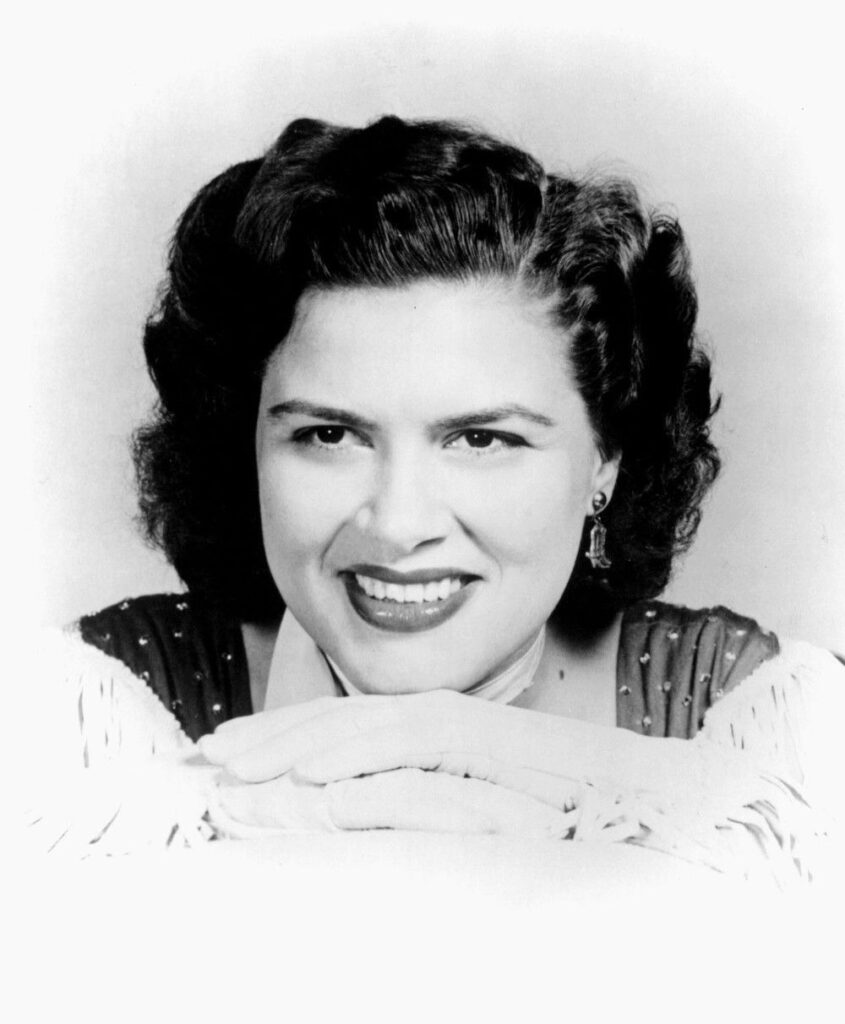
A gentle return to love, regret, and emotional truth in classic country music
In the golden era of country music, few voices carried emotional clarity as effortlessly as Patsy Cline. Her recording of Back In Baby’s Arms remains a shining example of how simplicity, sincerity, and lived experience can converge into something timeless.
Released in 1963 and written by Bob Montgomery, the song reflects a familiar yet deeply personal narrative: reconciliation after emotional distance. Its lyrics, including the refrain “I’m back where I belong,” capture the quiet realization that love once taken for granted is often the very thing we need most.
Musically, the track embodies the Nashville Sound, with smooth instrumentation and restrained rhythm that allow Cline’s voice to remain the focal point. Backed by seasoned session musicians and vocal harmonies, the arrangement supports rather than overwhelms, giving space for emotional nuance.
Though widely known today through recordings, the song gained much of its resonance through live and broadcast performances typical of Cline’s career. In those intimate settings, her delivery often blurred the line between performer and storyteller. Audiences were not just listening to a song, they were witnessing a confession. The warmth in her tone suggested not just a character’s regret, but something more authentic.
That authenticity may well connect to her own life. Cline’s personal journey included a complex marriage and periods of hardship, elements that shaped her interpretive depth. While Back In Baby’s Arms is not explicitly autobiographical, its themes of reconciliation and emotional awakening mirror the kind of resilience she embodied. She was known for channeling real feeling into every performance, transforming straightforward lyrics into something deeply affecting.
What makes this song endure is its emotional accessibility. It does not dramatize heartbreak or exaggerate joy. Instead, it quietly acknowledges a universal truth: sometimes we only understand love after we risk losing it. That realization, delivered through Cline’s unmistakable voice, continues to resonate across generations.
More than six decades later, Back In Baby’s Arms stands not just as a beloved recording, but as a reminder of country music’s power to tell honest human stories. In a world that often celebrates complexity, Patsy Cline proved that sometimes, the simplest return home can carry the deepest meaning.