
“All You Need Is the Music” A Life Story Told Through One Song
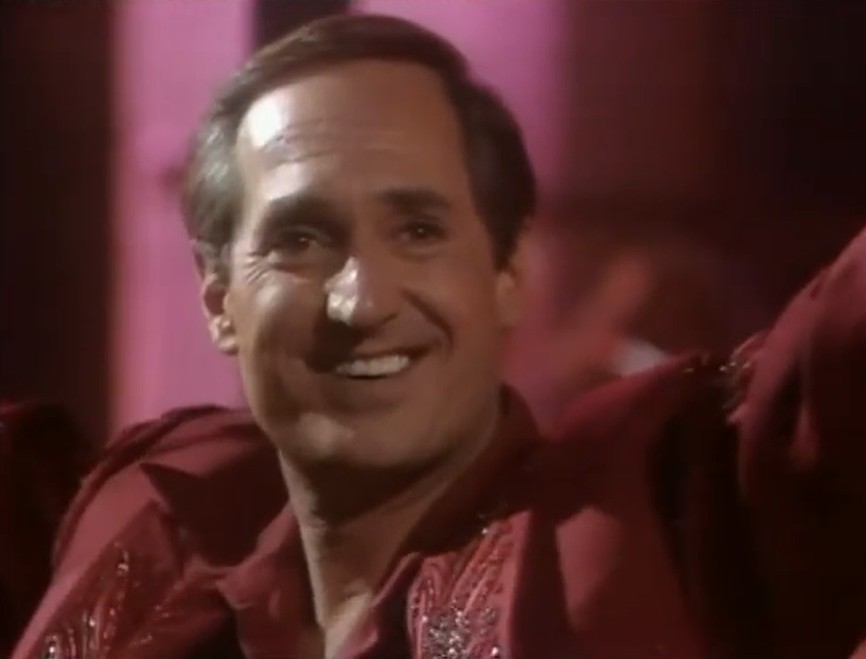
In a rare concert recording from 1982, Neil Sedaka delivers a performance of All You Need Is the Music that feels less like entertainment and more like a personal statement shaped by decades of experience. Captured during a period when Sedaka had already navigated both immense success and professional uncertainty, the performance offers audiences a deeper understanding of the artist behind the songs.
Originally released in 1978 as part of the album of the same name, All You Need Is the Music marked a later phase in Sedaka’s career, blending pop with contemporary disco influences while reaffirming his identity as a songwriter at heart . Although the song did not achieve the commercial success of his earlier hits, its message stands out as one of the most revealing expressions of his artistic philosophy.
By the time of this early 1980s performance, Sedaka had already lived through a dramatic arc. He rose to fame in the late 1950s and early 1960s, only to see his popularity decline during the British Invasion. Financial struggles and industry changes forced him to rebuild his career, leading to a resurgence in the 1970s with renewed creative energy and support from fellow musicians . Against this backdrop, the lyrics of All You Need Is the Music take on a more profound meaning. They are not abstract or idealistic. They reflect a lived reality.
On stage, Sedaka’s performance is intimate and focused. Without relying on spectacle, he returns to what has always defined him as an artist, his connection to the piano and his ability to communicate directly through melody. The simplicity of the arrangement reinforces the central idea of the song. Music itself becomes both the message and the medium.
There is also a quiet parallel between the song and Sedaka’s personal life. Known for a long and stable marriage that began in 1962, he often stood apart from the excess and instability associated with the music industry. His career was not built on controversy but on persistence, craftsmanship, and emotional sincerity. In that sense, the belief that music alone is enough is not merely artistic. It is deeply personal.
Viewed today, this 1982 performance resonates as more than a nostalgic artifact. It captures an artist who had already experienced loss, reinvention, and endurance, yet chose to distill everything into a single, enduring idea. In an era increasingly defined by production and image, Sedaka’s message remains strikingly clear. Sometimes, the simplest truth carries the greatest weight, and for him, that truth was always music.
 Timeless Melodies