
A Voice Already Proven, A Performance That Deepened the Legacy
In the performance of “So Wrong,” Patsy Cline does not present a moment of transformation, but rather a powerful continuation of an already rising legacy. By this stage in her career, she had moved beyond uncertainty and into a period defined by artistic control, emotional depth, and unmistakable vocal authority.
Following the breakthrough success of earlier hits, Cline had firmly established her place within the evolving Nashville sound. Working alongside producer Owen Bradley, she embraced a refined style that blended traditional country with sophisticated pop arrangements. “So Wrong” reflects this maturity. The orchestration is elegant yet restrained, allowing her voice to carry the full emotional weight of the song.
What stands out in this clip is not discovery, but confidence. Cline’s delivery is measured, controlled, and deeply expressive. She no longer sounds like an artist searching for direction. Instead, she commands the performance with quiet assurance. Each lyric unfolds with clarity, revealing a singer fully aware of her strengths and unafraid to lean into them.
The emotional core of “So Wrong” lies in its portrayal of misplaced love and lingering regret. In Cline’s hands, these themes are neither exaggerated nor distant. They feel lived in. Her voice carries a subtle ache that suggests experience rather than performance. This ability to balance strength and vulnerability became one of her defining traits and is on full display here.
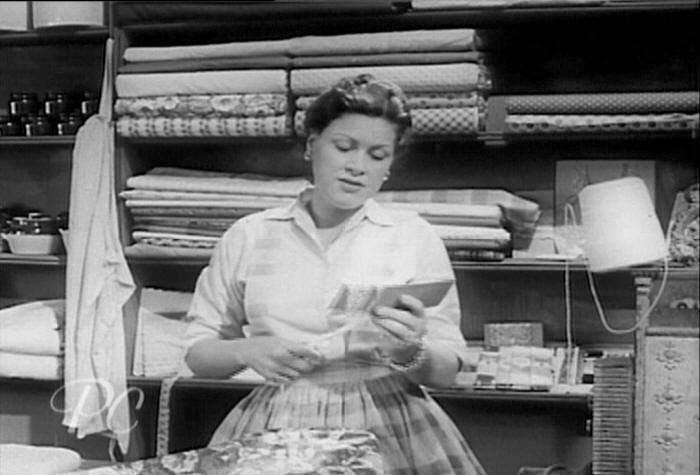
The setting of the performance further enhances its impact. There is a simplicity that draws attention away from spectacle and toward the voice itself. This minimalism allows audiences to focus entirely on the nuances of her phrasing, the slight hesitations, and the controlled rises in intensity that give the song its emotional resonance.
Seen in the broader context of her career, “So Wrong” represents continuity rather than change. It is part of a سلسلة of recordings that solidified her reputation as one of the most compelling voices in country music. Rather than marking a new beginning, the performance reinforces what had already been achieved and hints at even greater heights ahead.
There is also an added sense of poignancy when revisiting such performances today. Knowing that Cline’s life was cut short in 1963, audiences often view these moments as precious fragments of a career that was still unfolding. Yet even without that hindsight, “So Wrong” stands firmly on its own as a testament to an artist operating at the peak of her abilities.
In the end, the performance does not seek to redefine Patsy Cline. It confirms her.
 Timeless Melodies