
“Earth Angel” a soft, heavenly whisper that once taught the world how fragile young love can be
There are songs that arrive like fireworks, blazing loudly across the sky and then there are songs like “Earth Angel”, the kind that drift in gently, almost shyly, and quietly take root in the heart. When this tender ballad first appeared in late 1954, recorded by The Penguins for the small Dootone label, no one could have predicted that a simple doo-wop tune born in a converted garage in Los Angeles would soon become one of the most cherished love songs of its time. And yet, within a few short months, “Earth Angel” climbed its way into the national pop charts, rising to No. 8 in early 1955 and securing the No. 1 position on the R&B chart for several weeks.
But charts don’t explain why a song endures. What carried “Earth Angel” across decades was its emotional honesty. It wasn’t sung with the confidence of seasoned showmen; it felt more like a heartfelt plea from a young man uncertain of his place in the world, calling out to the one person he hoped might see beauty in him. Its soft harmonies, fragile falsetto lines, and gentle repetitions created something many listeners recognized instantly the feeling of first love blooming with trembling hope.
This purity is what brought the song into jukeboxes at diners, onto the dance floors of school gyms, and into the quiet corners of teenage hearts across America. For many, it became the soundtrack of shy confessions, clumsy hand-holding, and the hopeful ache of waiting by the phone. The success of “Earth Angel” even helped usher doo-wop into the mainstream, proving that small voices from small corners could shape the sound of an entire generation.
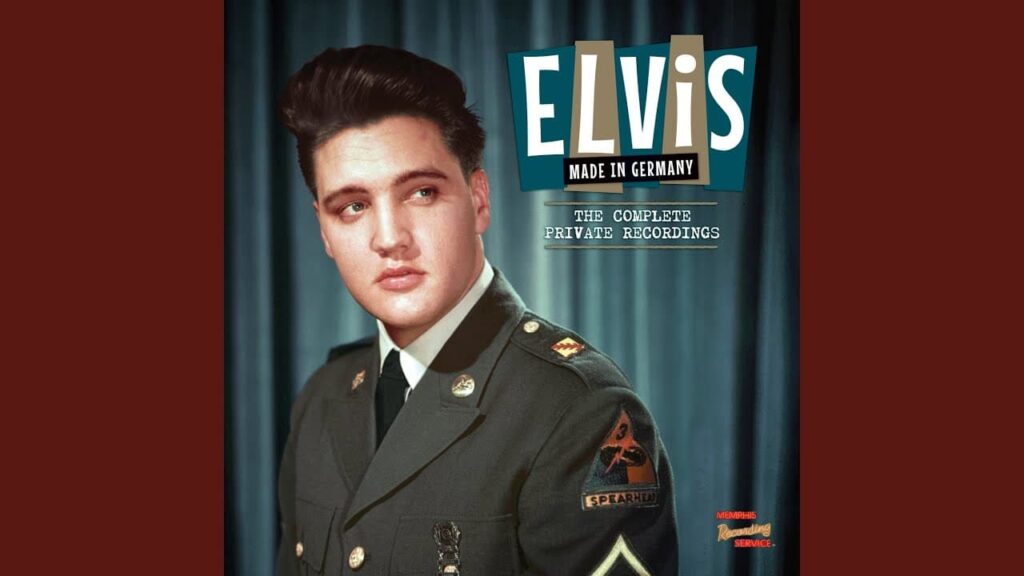
And somewhere far from the California streets where the song was born, another young man heard it Elvis Presley, then serving in Germany. In 1959, long before the world would hear his personal recording, he sat with friends and captured a private version of “Earth Angel” on tape. No studio, no polished arrangement, no intention of release just Elvis, relaxed, humming softly into a home recorder late at night.
His voice in that recording is different from the bold, electrifying sound that made him famous. Here, he sounds almost like any other young man far from home reflective, gentle, perhaps even a little lonely. The imperfections in the tape only deepen the intimacy: the echo in the room, the softened consonants, the warmth of his phrasing. It feels less like a performance and more like a memory, caught on tape before it could vanish.
Elvis’s version would not be released until the 1980s, long after those quiet nights in Germany had passed. Yet listeners often describe it as one of his most tender interpretations precisely because it was never meant to impress. It was a moment, preserved. A young man finding comfort in a familiar melody while life pulled him far away from everything he knew.
And that is what makes “Earth Angel” so enduring. It speaks to innocence not perfect, polished innocence, but the kind we all once carried: fragile, hopeful, unsure. When the song plays today, it brings back the smell of old vinyl sleeves, the glow of neon diner signs, the warmth of memories long tucked way.