
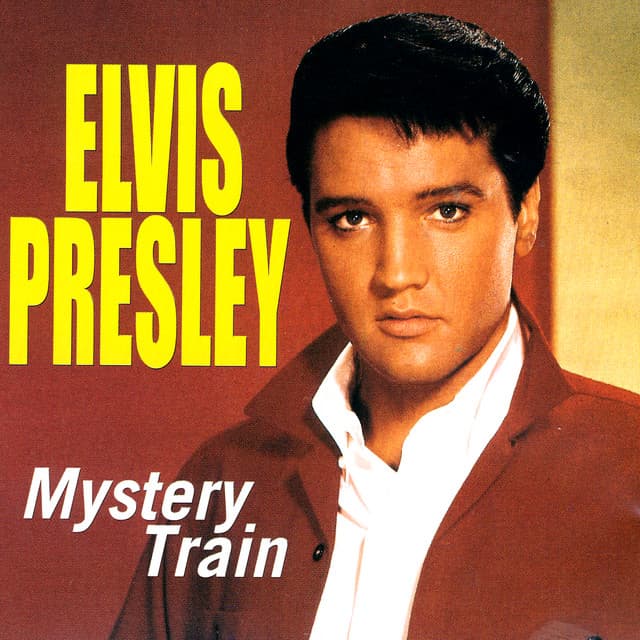
A restless ride under midnight skies “Mystery Train” by Elvis Presley echoes with longing, loss, and the pain of goodbye.
From the opening notes of “Mystery Train”, there is an undeniable sense of movement a train’s whistle, the rumble of rails, and a heart pulled between hope and sorrow. When Elvis Presley sang this song, he turned it into more than just a tune about departure; he made it a meditation on longing, loneliness, and the ache of being left behind.
Originally written and recorded by American bluesman Junior Parker (under the name “Little Junior Parker”) with Suns of Rhythm in 1953, the song quickly became a minor blues classic. Elvis first recorded his version on July 6, 1955 at Sun Studio in Memphis, backed by Scotty Moore on guitar and Bill Black on bass. Though Elvis’s “Mystery Train” was released by Sun Records as the B-side to “I Forgot to Remember to Forget,” it did not achieve a high position on national pop charts records from the era are incomplete, and the song was more of a regional jukebox hit and early fan favorite than a mainstream chart-topper. Despite that, it left an immeasurable mark on rock-and-roll history, helping to define Elvis’s early sound and the emerging genre itself.
The transformation Elvis made to “Mystery Train” lies not in rewriting lyrics or changing structure but in tone, energy, and delivery. Junior Parker’s original was a slow, mournful blues about a lover gone, a train that carries her away while the singer remains behind in regret. Elvis and his band sped up the tempo, electrified the instrumentation, and injected a restless urgency into every chord turning sorrow into movement, longing into motion. Scotty Moore’s tremolo guitar and Bill Black’s driving bass created the sensation of a train on rails, carrying away more than just a passenger, but hopes, dreams, and hearts.
When Elvis sang: “Well now, when I say I’m leavin’, you’d better believe I’m leavin’ / You know I’m goin’, but I’ll be right back some day”, his voice trembled with hope and pain at the same time. There is no bravado here, just the raw honesty of a man on the edge of departure uncertain, longing, and aware of what he might lose. The song is as much about the emotional landscape of abandonment as it is about a physical journey.
For listeners then and now, “Mystery Train” resonates because it captures a universal truth: sometimes love leaves on a train, and waiting alone in the dark becomes the hardest journey of all. The song evokes images of late-night departures, empty seats, flickering lights on damp platforms, and the hollow ache of a farewell whispered in the wind. It’s not just a story of loss it’s the echo of hearts left behind.
In the broader arc of Elvis Presley’s career, “Mystery Train” stands as a milestone. It represents the raw roots of his rockabilly sound unpolished, urgent, heartfelt before fame and glamour reshaped his image. It’s a reminder that the power of his early music lay not in perfection, but in authenticity; not in polish, but in passion. Through this recording, Elvis helped cement the fusion of blues, country, and rhythm & blues into what would become rock ’n’ roll a new voice for a restless generation.
Decades later, the song remains a beloved gem among fans of old-school rock, whoever remembers dimly lit jukeboxes, drive-in theatres, and the restless yearning of youth. Its haunting rhythm and heartfelt delivery continue to stir hearts, reminding us that some trains carry more than travelers they carry memories, loss, and the lingering ache of “what might have been.”
In its simplicity and sincerity, Elvis Presley’s “Mystery Train” still rides the night, a lonely whistle on the rails, calling to those who have loved, lost, and watched the shadows fade behind them.