
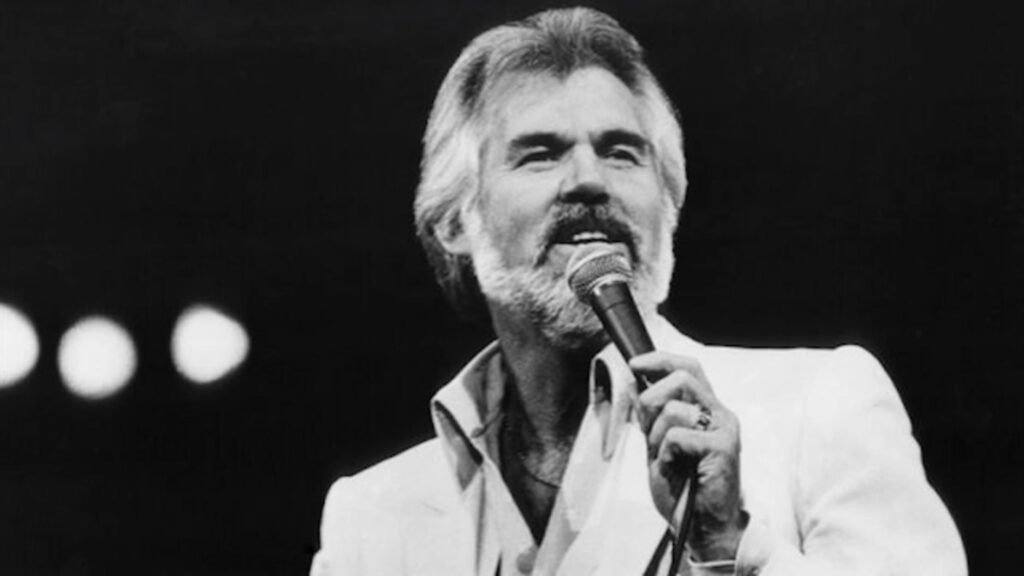
Life lessons dealt in poker metaphors “The Gambler” by Kenny Rogers
“The Gambler” is more than just a song about cards; it’s a wise, gentle parable about knowing the right time to take risks and let things go.
When Kenny Rogers released “The Gambler” in November 1978 as the lead single from his album The Gambler, it quickly became a cornerstone of his career. The song soared to #1 on the Billboard Country chart, reflecting its deep resonance with country audiences. On the broader U.S. charts, it crossed over to reach #16 on the Billboard Hot 100 and climbed to #3 on the Adult Contemporary chart, proving its appeal far beyond traditional country music fans.
The story behind “The Gambler” is as powerful as the lyrics themselves. It was written by Don Schlitz, who composed the song when he was still in his early 20s, working a graveyard shift at Vanderbilt University. Schlitz later confessed that the song grew out of his own reflections after the loss of his father — not literally about gambling, but about life, choices, and wisdom. In the song, the narrator meets an older, seasoned gambler on a train late at night. Over a glass of whiskey and a cigarette, the gambler offers him priceless advice, framed in poker metaphors: “You’ve got to **know when to hold ’em, know when to fold ’em / Know when to walk away, know when to run.””
As the conversation continues, the gambler speaks of life’s very nature about risk, loss, and survival. He reminds the narrator not to count his money while still sitting at the table, because “there’ll be time enough for countin’ when the dealin’s done.” By the end, the gambler quietly drifts to sleep, and the narrator perceives that he has “broken even,” leaving him with his final piece of wisdom a kind of ace he can carry forward. The narrative feels like a small morality play, as much about growing older as it is about cards.
Musically, Rogers delivers the story with his trademark warmth and clarity. The arrangement, produced by Larry Butler, supports the tale without overpowering it: the instrumentation is understated, letting Kenny’s voice carry the weight of the message. There’s a sense in his delivery that he is not merely telling a story he’s passing on wisdom. This is the kind of song that sounds like it belongs around a campfire or on a long, dimly lit train ride through open plains, where every word counts, and silence between the lines is just as meaningful.
The legacy of “The Gambler” is profound. It became Kenny Rogers’ signature song, the one people most identify with him. It also won him a Grammy Award for Best Male Country Vocal Performance in 1980, and the songwriter Don Schlitz was honored with a Grammy for Best Country Song. The track’s influence extended even further it inspired a series of made-for-TV Western films starring Rogers as Brady Hawkes, the very gambler who dispenses that timeless advice. In 2018, “The Gambler” was even selected for preservation in the Library of Congress’ National Recording Registry, recognized as “culturally, historically, or artistically significant.”
But perhaps the greatest power of “The Gambler” is in its meaning. The song uses poker as a metaphor for life: understanding when to take a risk, when to fold a message that feels as real and urgent now as it did decades ago. Schlitz once said that his own father never gambled, but the father-son themes in the song came from his relationship with him. In that way, the advice from the gambler is universal, touching on struggle, loss, and the wisdom we gain through experience.
For listeners who remember the days of vinyl, of late-night radio, or quiet reflection, “The Gambler” evokes a strong sense of nostalgia. Its narrative structure, gentle melody, and thoughtful delivery invite us to lean in, listen, and reflect. There’s a calm authority in Kenny Rogers’ voice a sense that he’s not lecturing, but sharing something he’s learned, a life lesson wrapped in song.
In its enduring appeal, “The Gambler” remains more than just a country classic. It is a song about balance, about courage and restraint, about knowing what to hold and what to let go. It stands as a testament to the art of storytelling in music a simple conversation that becomes poetry, wisdom, and memory all at once.