
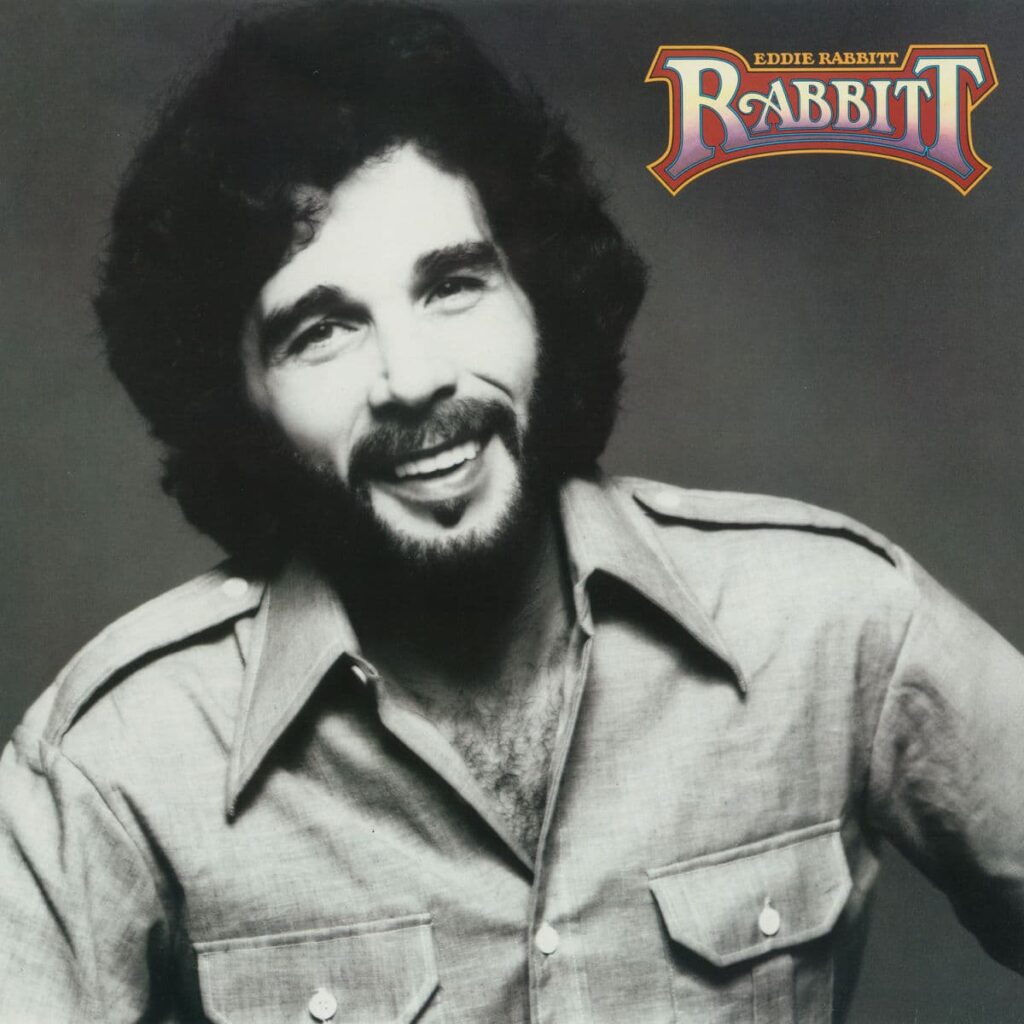
A Poignant Journey Through the Mist of Lost Time: The Soulful Echoes of Eddie Rabbitt’s “Kentucky Rain”
The haunting resonance of “Kentucky Rain” serves as a timeless vessel for the bittersweet ache of a searching soul, capturing the relentless pursuit of a love slipping through the fingers like a cold October drizzle. It is a masterful tapestry of desperation and hope, woven with the threads of rhythmic melancholy and the evocative imagery of a lonely midnight trek through the Bluegrass State.
Music, at its most potent, acts as a sensory time machine. For those who navigated the changing landscape of the late 1960s and 1970s, certain melodies don’t just play; they breathe. “Kentucky Rain” is one such masterpiece. While most famously immortalized by Elvis Presley in 1970—marking his 50th gold record—the architectural soul of the song belongs to its co-writer, the legendary Eddie Rabbitt. Before he became a superstar in his own right with hits like “I Love a Rainy Night,” Rabbitt was a struggling songwriter in Nashville, pouring his observations of human frailty and atmospheric longing into lyrics that would eventually define an era.
Released by Elvis in January 1970, the song made a formidable impact on the charts, peaking at #16 on the Billboard Hot 100 and climbing to #31 on the Country charts. But numbers rarely tell the whole story. The “launch” of this song represented a pivotal shift in the Nashville Sound, blending the polished production of the “Countrypolitan” era with a raw, gospel-tinged urgency. When Eddie Rabbitt penned these lyrics alongside Dick Heard, he wasn’t just writing a chart-topper; he was capturing a cinematic moment of Americana—the imagery of a man in a “cold gray town,” walking “with the rain in his shoes,” looking for a woman who disappeared into the mist.
The story behind the song is one of artistic synergy. Eddie Rabbitt famously pitched the song to The King during a time when Presley was seeking a more mature, soulful direction following his ’68 Comeback Special. The recording sessions at American Sound Studio in Memphis featured the iconic piano work of Ronnie Milsap, whose rolling, thunderous chords mimicked the relentless falling of rain. This instrumental choice added a layer of psychological depth to the track; the piano isn’t just accompaniment—it is the weather itself, closing in on the protagonist as he checks the “service stations” and “shanty towns.”
Thematically, “Kentucky Rain” resonates deeply with a sophisticated audience because it deals with the concept of “The Unfinished.” It is not a song about a breakup that has been accepted; it is a song about the frantic, perhaps futile, refusal to let go. The lyrics reflect a profound sense of displacement. As the narrator drives through the night, the heavy downpour becomes a metaphor for his own clouded judgment and overwhelming grief. There is a specific kind of nostalgia here—a “blue” nostalgia—that reminds us of the times we searched for answers in places they no longer existed.
For the discerning listener, the brilliance of Eddie Rabbitt’s composition lies in its pacing. The song builds like a rising tide. The mention of Kentucky evokes a specific rural loneliness, a landscape of rolling hills that, under the cover of a storm, becomes a labyrinth of memories. It challenges the listener to reflect on their own “rainy nights”—those moments of quiet reflection where the past seems almost close enough to touch, yet remains stubbornly out of reach.
“Kentucky Rain” remains a cornerstone of the Presley and Rabbitt legacies because it honors the intelligence of its audience. It doesn’t offer a happy ending or a neat resolution. Instead, it offers companionship in the struggle. It reminds us that while the rain may wash away the tracks of those we lost, the melody of the search remains etched in the soul forever. As we look back on the golden age of songwriting, this track stands as a towering testament to the power of a simple story told with immense heart and a touch of Kentucky thunder.