
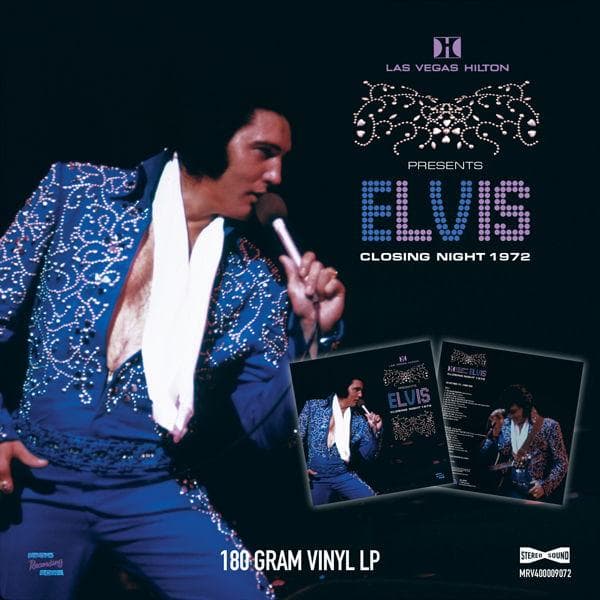
A blues standard reborn onstage where Elvis turned an old howl of longing into a thunderous live anthem.
There are songs that feel as i they’ve traveled through time, gathering stories, voices, and memories along the way. “See See Rider”, the opener that came to define Elvis Presley’s 1970s concerts, is one of those pieces an old blues number reshaped by countless musicians before him, yet somehow made unmistakably his the moment he stepped before the crowd, guitars roaring behind him, the spotlight snapping to life.
Though rooted in tradition and never released as a charting Elvis single, “See See Rider” became one of the most iconic live moments of his later career. Beginning in 1970, it appeared in nearly every major tour setlist, serving as the dramatic curtain-raiser for performances that now feel legendary. When the TCB Band ripped into that driving introduction James Burton’s electric guitar slicing through the darkened stage it announced more than the start of a show. It announced the arrival of a man who, even after decades of fame, still carried the restless energy of someone with something left to prove.
The song itself traces back to the early 1920s, first recorded by blues great Ma Rainey. A lament about love gone cold, it lived for decades in juke joints, roadhouses, and dusty bars, each singer twisting its phrases into their own heartbreak. But when Elvis adopted it, he didn’t simply sing it he expanded it. His version wasn’t mournful; it was explosive, turning sorrow into something powerful and driving. In his hands, the old blues tale became the opening surge of an unstoppable live performance.
Its most famous recordings appear on albums such as “Elvis Recorded Live on Stage in Memphis” (1974) and “Aloha from Hawaii via Satellite” (1973), where it served as the electrifying first breath of the entire event. The Memphis album even earned Elvis a Grammy, making it the only Grammy-winning album of his career a bittersweet detail for those who still revisit these performances with affection and quiet wonder. On these recordings, you can feel the audience’s anticipation rise the moment the first notes hit, a wave of excitement that seems to lift the room itself.
What makes “See See Rider” so deeply memorable in Elvis’s catalog isn’t just the music, though the arrangement remains one of his most commanding. It’s the sense of ritual. The deep blue stage, the tension just before the lights came up, the first roar of the crowd. For many, it became the sound of a moment in life when music felt bigger when a concert wasn’t merely entertainment but an experience that stayed with you long after the final note.
In those opening minutes, Elvis wasn’t the polished movie star or the cultural icon. He was a performer fueled by the thrill of live music, leaning into the blues roots that shaped him long before fame found him. His voice carried grit, warmth, and a hint of rebellion echoes of a boy raised on gospel, blues, and the restless hum of a guitar.
And so “See See Rider” endures not because it topped charts it didn’t but because it opened hearts. It reminds listeners of a time when a stage, a voice, and an old blues song could make the world feel alive again, if only for a little while.