
A Masterpiece of Heartbreak: Engelbert Humperdinck’s Epic Devotion in “When There’s No You”
With a thunderous, operatic intensity and a heart laid bare, Engelbert Humperdinck delivers a towering performance of “When There’s No You”—transforming the agonizing quiet of lost love into a sweeping, symphonic masterpiece of romantic devotion.
The transition into the early 1970s was a period of immense artistic maturity for the “King of Romance.” Having completely redefined the romantic ballad in the late 1960s, Engelbert Humperdinck entered the new decade with a voice that had grown even richer, carrying a deep, dramatic weight that could fill the grandest concert halls in the world. In the spring of 1971, he released the sensational single “When There’s No You” under Decca Records (and Parrot Records in the United States). Written by the legendary songwriting duo of Les Reed and Geoff Stephens—the brilliant minds behind his iconic signature hit “The Last Waltz”—the song was a resounding success, climbing to #1 on the Billboard Easy Listening (Adult Contemporary) chart and securing a prominent spot on the Billboard Hot 100.
For the sophisticated listener who appreciates the architecture of a great ballad, “When There’s No You” is a masterclass in musical drama. The song is built around a beautifully adapted, classical melody from Ruggero Leoncavallo’s famous 1892 opera Pagliacci (specifically the sweeping, emotional tenor aria “Vesti la giubba”). This classical foundation gave the track a majestic, timeless quality that perfectly suited Engelbert’s powerful, three-octave range. The arrangement—rich with cascading string sections, dramatic horn swells, and a slow, marching rhythm—creates a landscape that feels as vast and deep as the heartbreak it describes.
The story behind the song is a poignant exploration of total emotional surrender. The lyrics paint a vivid, painful picture of a world completely devoid of color, warmth, and meaning in the absence of a loved one. When Engelbert sings the central, soul-stirring refrain—“When there’s no you, there is no summer wind… there is no song to sing, there is no anything”—the delivery is astonishing. He begins the verses with a quiet, velvet-toned intimacy, drawing the listener close into the shadows of his loneliness, before building toward a shattering, operatic crescendo. It is a performance that demands absolute attention, showcasing a singer who does not merely perform a lyric, but completely inhabits the emotional gravity of the story.
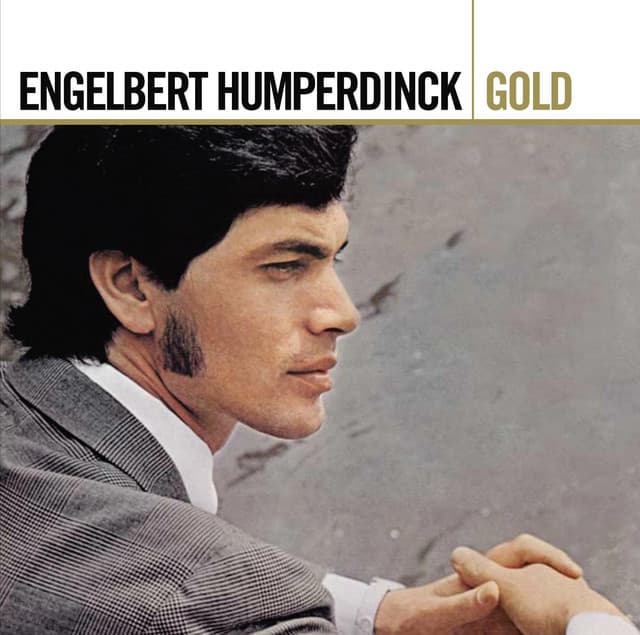
When Engelbert performed “When There’s No You” live during his legendary runs in Las Vegas and on his international television specials in the early 1970s, the performance was a masterclass in charismatic intensity. Standing under the warm spotlight, his classic sideburns and commanding physical presence holding the room in a state of quiet suspense, he would hold the dramatic, final notes with an effortless breath control that left audiences completely spellbound. It was this rare ability to blend classical operatic power with modern pop sensibility that cemented his status as a global icon.
To look back on this 1971 milestone today is to experience a powerful wave of sweet, comforting nostalgia. It takes us back to a golden era of popular music—a time when albums were recorded with live, breathing orchestras and singers relied on the sheer, unadulterated strength of their natural voices. It reminds us of quiet evenings spent listening to the warm crackle of vinyl, finding a deep sanctuary of emotion in a voice that was big enough to hold all of our private joys and sorrows.
Engelbert Humperdinck’s performance of “When There’s No You” remains a towering, starlit monument in his legendary career. It stands as a beautiful, highly reflective chapter in his legacy—a gentle, reassuring reminder that even in our darkest moments of loneliness, music has the power to give voice to our deepest feelings, transforming our quiet heartaches into timeless works of art.