
The Guitar Tells Stories Amidst the Ups and Downs of the Era and the Pinnacle of Fingerstyle Art
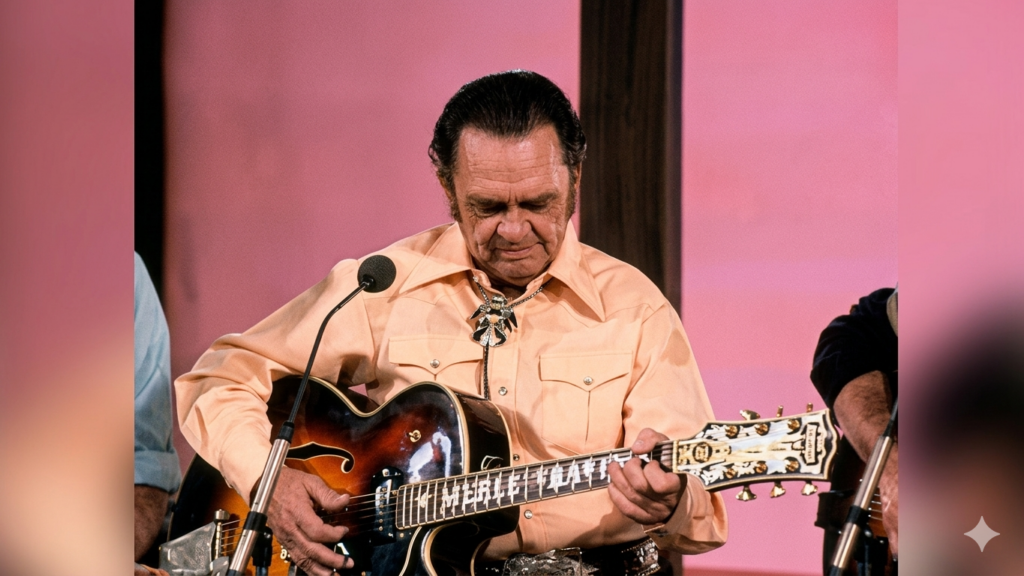
In the endless and ever-changing flow of American music, the intersection of the legendary Merle Travis’s masterful guitar technique and the classic melody “Who’s Sorry Now” has created a captivating artistic imprint, especially for those who cherish the value of nostalgia, subtlety, and emotional depth in each note. Written in 1923 by the talented trio Ted Snyder, Bert Kalmar, and Harry Ruby, “Who’s Sorry Now” was originally a gentle Jazz and Waltz-infused love song of a bygone era, containing a contemplative message about the reversal of roles in love, where the one who once caused suffering now experiences the bitter taste of loneliness and regret. However, when passed through the masterful hands of the creator of the renowned “Travis Picking” technique, this song completely shed its old-fashioned appearance to take on a new, rugged, elegant, and incredibly refined look, transforming a popular piece of music into a vibrant instrumental masterpiece.
Merle Travis didn’t simply play a piece of music; he used the guitar to weave a mesmerizing, multi-layered sonic tapestry, where the steady, rhythmic bass from his thumb acts as a steady heartbeat, while the other fingers dance on the treble strings to create sharp, nuanced notes, turning a simple piece into a miniature symphony full of life and ingenious variation. This unique quality becomes even more brilliant and valuable when we recall the legendary collaborations in the 1974 album “The Atkins-Travis Traveling Show,” where Merle’s rustic, quintessential Kentucky charm perfectly blended with the elegant, smooth style of “Mr. Guitarist” Chet Atkins, creating a sublime musical dialogue that remains the gold standard for fingerstyle music enthusiasts worldwide. For middle-aged music lovers in America, who have experienced the ups and downs of life through music, Merle Travis’s version of “Who’s Sorry Now” is not just a simple auditory experience, but a moving journey back in time to the golden values of the past, where each note carries the weight of understanding, compassion, and profound reflections on the law of cause and effect in both emotions and life.
That music not only showcases individual technique but also embodies a philosophy of life that is carefree and self-possessed, affirming that true musical masterpieces will always have the ability to warm the soul, soothe emotional wounds, and endure eternally through the vicissitudes of time, so that whenever that melody is played, listeners feel comforted in the embrace of memories and absolute artistic harmony.