
A Reflective Moment from I’m a Song Sing Me
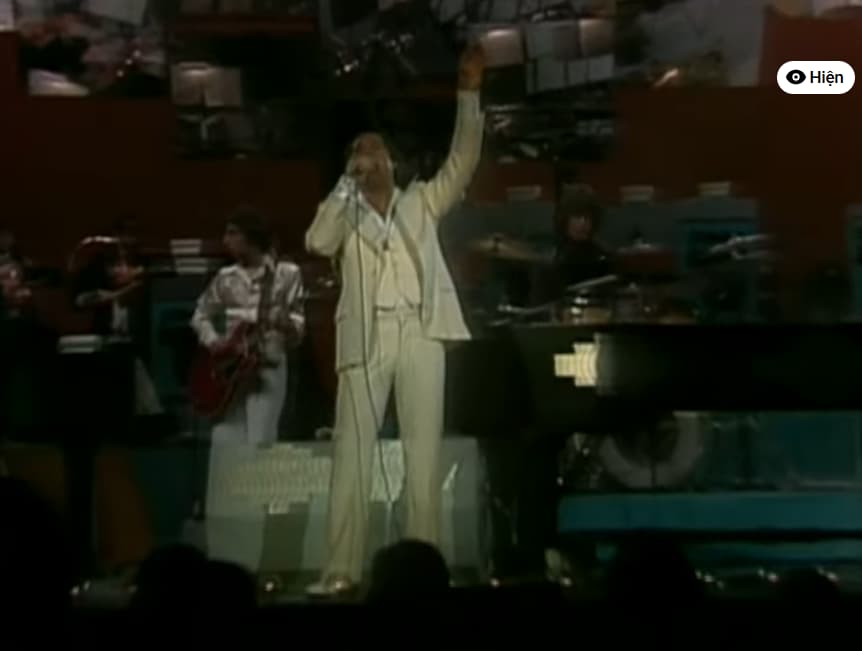
A performance of “I’m a Song Sing Me” by Neil Sedaka in Canada in 1981 offers a valuable look into the artist’s creative identity during a transitional period in his career. Known for his adaptability across decades, Sedaka used this composition to articulate a central idea that had defined his work since the beginning. Music, in his view, was not just entertainment but a living form of expression.
“I’m a Song Sing Me” was originally part of Sedaka’s repertoire in the early 1970s and appeared in live recordings such as his 1974 concert album at the Royal Festival Hall. The song stands apart from many of his earlier hits by focusing less on narrative storytelling and more on the role of the songwriter and the enduring nature of melody. Its lyrics present music as something that exists independently, waiting to be brought to life through performance.
By 1981, when Sedaka performed the song in Canada, he had already experienced both major success and significant career challenges. After dominating the charts in the late 1950s and early 1960s, his popularity in the United States declined during the British Invasion, though he remained active internationally. His resurgence in the 1970s reintroduced him to global audiences, and performances like this one reflect a mature artist revisiting his catalog with renewed perspective.
The Canadian performance is notable for its simplicity. Sedaka is typically seen at the piano, emphasizing his classical training and compositional skills. This stripped down presentation allows the structure of the song to stand out. The melody is clear and direct, while the arrangement supports rather than overshadows the vocal line. Such an approach is consistent with Sedaka’s broader style, which has long prioritized melody and lyrical clarity.
“I’m a Song Sing Me” also functions as a statement about longevity. At a time when popular music was evolving rapidly, Sedaka’s decision to perform a song about the essence of songwriting itself suggests a deliberate reaffirmation of his artistic values. Rather than chasing contemporary trends, he highlights the timeless qualities of composition and performance.
Viewed today, the 1981 performance serves as more than a simple live rendition. It captures an artist reflecting on his own place within the music industry while continuing to engage audiences through familiar strengths. In doing so, Neil Sedaka demonstrates that even as musical styles change, the core relationship between songwriter, performer, and listener remains constant.
 Timeless Melodies