
“You” , Neil Sedaka and the Enduring Power of Melody
In April 2006, Neil Sedaka delivered a landmark performance at the Royal Albert Hall, reaffirming his status as one of the most enduring figures in American popular music. The concert, later released as The Show Goes On, captured not only a retrospective of his greatest hits but also introduced newer material that reflected the maturity of a career spanning nearly five decades.
Sedaka, who began his career in the late 1950s and went on to write more than 500 songs, has long been recognized for his ability to bridge generations through melody and storytelling. At the Royal Albert Hall, this legacy was evident in a carefully curated setlist that moved fluidly between classic hits and contemporary compositions.
Among the highlights of the evening was the performance of You, a song associated with his later period and featured on projects such as The Real Neil. Unlike his early chart topping singles, “You” represents a more reflective phase in Sedaka’s songwriting, emphasizing personal emotion and lyrical sincerity over youthful exuberance. Its inclusion in the concert underscored his evolution from teen idol to seasoned composer.
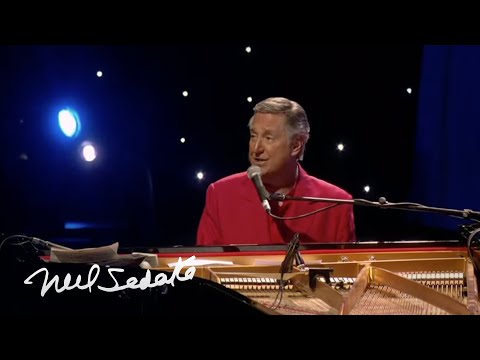
The production itself was both intimate and theatrical. Often accompanying himself on piano, Sedaka combined musicianship with a charismatic stage presence that has defined his live performances for decades. Reviewers noted the strength and clarity of his voice, as well as his ability to engage audiences with warmth and humor throughout the evening.
The concert also functioned as a comprehensive portrait of Sedaka’s musical journey. From early hits like “Oh Carol” to later successes such as “Laughter in the Rain,” the performance traced the arc of an artist who successfully navigated changing musical eras, including the challenges posed by the British Invasion of the 1960s and his resurgence in the 1970s.
Importantly, The Show Goes On was not merely a nostalgic exercise. By integrating newer songs like “You” alongside established classics, Sedaka demonstrated a continued creative vitality. The concert illustrated how legacy artists can remain relevant without abandoning their roots, offering audiences both familiarity and renewal within a single performance.
The 2006 Royal Albert Hall concert stands as a defining document of Neil Sedaka’s enduring appeal. It captures an artist who, even after decades in the industry, continued to perform with precision, emotion, and an unwavering connection to his audience.
 Timeless Melodies