
Timeless Echoes Under a Kentucky Moon
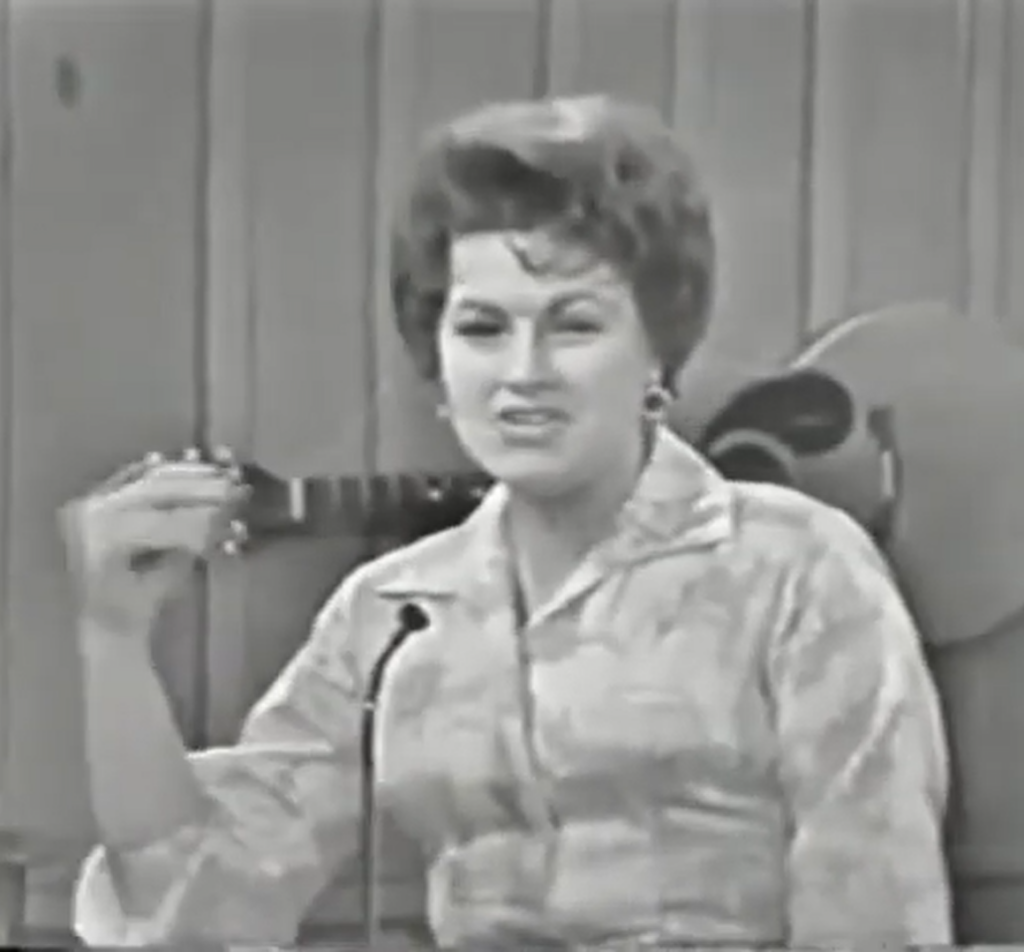
In 1962, Patsy Cline delivered a refined and emotionally resonant interpretation of the enduring American standard “Blue Moon of Kentucky” during a celebrated appearance on the Pet Milk Grand Ole Opry television special. This filmed performance, which continues to draw global attention decades later, captures Cline at the height of her artistry, offering a glimpse into her transition from a country star to a cross-genre icon.
Originally written in 1945 by Bill Monroe as a traditional bluegrass waltz, the song had already secured its place as a genre cornerstone before Cline brought her distinctive vocal style to it. In this 1962 rendition, Cline—backed by the acclaimed vocal group The Jordanaires—reimagined the track with a mid-tempo 4/4 shuffle rhythm, a departure from the original triple-meter structure. Her delivery emphasizes subtle phrasing, dynamic restraint, and emotional clarity, infusing the song with a gentle, almost haunting quality.
This performance was recorded during a pivotal period in Cline’s career. In 1962, she remained one of the most active and popular performers on major stages like the Grand Ole Opry, demonstrating an unwavering commitment to her craft despite the personal challenges and health issues she faced during that time. Her appearance in the Pet Milk sessions, marked by her signature Western-style attire and poised stage presence, remains one of the few high-quality color film records of her live-to-tape performances.
Cline’s interpretation also stands out for its collaboration with The Jordanaires, whose background harmonies provide a polished and balanced sonic backdrop. This partnership enhanced the recording’s crossover appeal, bridging traditional country roots with the smoother, more mainstream “Nashville Sound” that defined much of Cline’s later work.
While “Blue Moon of Kentucky” has been recorded by numerous legends, including Elvis Presley, whose 1954 version helped spark the rock-and-roll revolution, Cline’s rendition remains distinctive for its soulful depth and interpretive nuance. Today, this 1962 performance serves as a timeless testament to her legacy—preserving the glow of a Kentucky moon through one of the most unforgettable voices in music history.
 Timeless Melodies