
A Warm Invitation from the Past: Patsy Cline’s “Come On In” and the Enduring Spirit of Classic Country
In the rich tapestry of American country music, few voices resonate with the timeless warmth of Patsy Cline. Among her lesser discussed yet deeply evocative recordings, Come On In (And Make Yourself at Home) stands as a gentle reflection of community, faith, and nostalgia, brought to life in intimate live performances that continue to circulate among classic country audiences today.
Originally recorded during Cline’s early career in the mid 1950s, the song is credited to songwriter Virgil F. Stewart and reflects the traditional values embedded in rural American life. Unlike her later chart defining hits, this piece leans heavily into gospel tinged storytelling, offering listeners a window into the moral and emotional foundations that shaped her artistry.
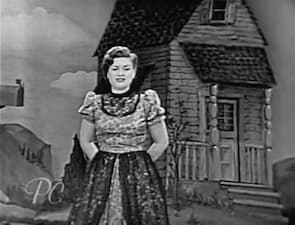
The referenced performance captures a simpler era of live country music, where stage presence relied less on spectacle and more on sincerity. Cline’s delivery is unembellished yet commanding, allowing the lyrics to breathe with authenticity. Lines inviting listeners to “sit right down and make yourself at home” evoke a sense of belonging that transcends time, echoing the communal spirit of small town America described throughout the song.
What makes this performance particularly compelling is its thematic consistency with Cline’s early repertoire. Before achieving crossover success with polished Nashville Sound productions, she was rooted in traditional country and gospel influences. Songs like “Come On In” illustrate this foundation, highlighting her ability to convey both humility and emotional depth without relying on elaborate arrangements.
The song also underscores a recurring motif in mid century country music: the idealization of home. Through references to neighbors, church gatherings, and childhood memories, the narrative paints a portrait of a tightly knit community guided by faith and mutual respect. This portrayal aligns with broader trends in 1950s country songwriting, where personal storytelling often intersected with spiritual reflection.
Although “Come On In” was not among Cline’s commercial hits, its continued circulation through archival recordings and online platforms demonstrates the lasting interest in her early work. Compilations and posthumous releases have preserved such performances, offering new generations the opportunity to experience a more unfiltered version of her voice.
More than six decades after her passing, Patsy Cline remains a defining figure in country music history. Performances like this serve as a reminder that her legacy extends beyond her most famous recordings. They reveal an artist deeply connected to her roots, capable of transforming simple lyrics into enduring emotional experiences that still invite listeners, quite literally, to come on in.