
The Song That Slipped Through: Patsy Cline’s “Strange” and the Quiet Power of the Overlooked
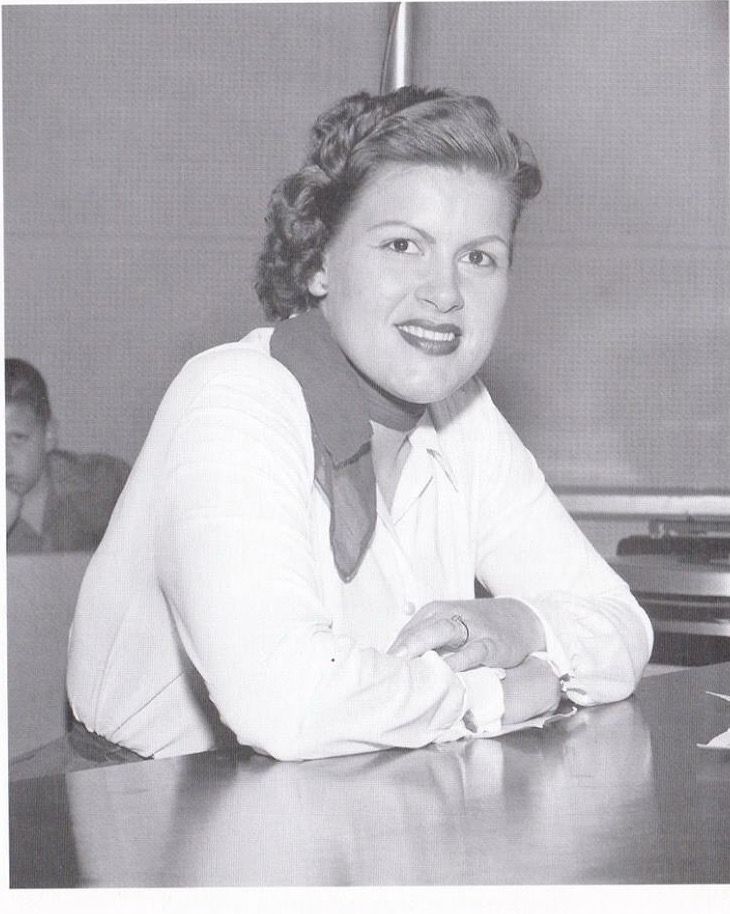
In April 1962, on a television stage in Nashville, Patsy Cline delivered a performance that now feels both intimate and curiously detached. The song was “Strange,” a B side that never reached the acclaim of its counterpart “She’s Got You,” yet one that reveals a subtler, more complex dimension of her artistry.
Broadcast on WSMV-TV as part of the Pet Milk Grand Ole Opry, the performance captures Cline at a pivotal moment. She stands poised, vocally controlled, her delivery measured rather than explosive. The heartbreak embedded in the lyrics is not dramatized. Instead, it is observed. The narrator is not pleading but reflecting, almost puzzled by the emotional withdrawal of a former lover. It is, as the title suggests, strange.
What makes the performance particularly compelling is its timing. Cline had recorded the song just months after the birth of her second child, balancing the demands of motherhood with an already formidable career. The emotional world of “Strange,” centred on abandonment and quiet resentment, seems at odds with the apparent stability of her personal life. Yet this tension only deepens the performance. It raises the question of whether Cline was drawing from lived experience or demonstrating a rare interpretive restraint that allowed her to inhabit stories beyond her own.
Musically, “Strange” also sits slightly outside the expectations of Cline’s catalogue. Co written by Mel Tillis and Fred Burch, the track leans toward a lighter pop sensibility, its rhythm carrying a faint calypso inflection. The arrangement, shaped under the guidance of producer Owen Bradley, aligns with the emerging Nashville Sound while hinting at crossover ambitions. It is not difficult to imagine the song in the repertoire of Brenda Lee, whose style bridged similar musical territories.
Despite these qualities, “Strange” remained in the shadows, overshadowed by the commercial success of its A side. Its afterlife, however, tells a different story. Decades later, it would resurface through unexpected channels, from alternative rock interpretations by The Lemonheads to sampling in contemporary productions involving Kid Cudi. The song endured, if quietly.
Today, aided by colourised archival footage, the 1962 performance feels newly immediate. It offers not just a glimpse of Cline’s voice at its peak, but a reminder that some of the most revealing moments in music history are not the loudest or the most celebrated. They are the ones that linger, almost unnoticed, waiting to be heard again.