
Success Struggle and Survival Revisiting the Remarkable Journey of Slade
During the early 1970s, Slade emerged as one of the most successful and recognizable bands in the United Kingdom. Known for their energetic performances and distinctive glam rock style, the group built a remarkable run of chart success that placed them at the forefront of British popular music.
Formed from working class roots in Wolverhampton, Slade developed their identity through persistence and adaptation. Before achieving fame, the band experimented with different musical styles and images, eventually embracing the bold and theatrical elements of glam rock. This transformation proved decisive. Between 1971 and 1976, the band achieved an extraordinary series of hit singles, with numerous songs reaching the top positions of the UK charts. Their commercial success during this period placed them ahead of many contemporaries in terms of single sales.
Central to their appeal was a combination of simple, powerful songwriting and a strong connection with audiences. Tracks such as Cum On Feel the Noize and Gudbuy T Jane exemplified their approach, built on memorable hooks and participatory choruses. Their music captured a sense of collective excitement that resonated strongly with listeners across the country.
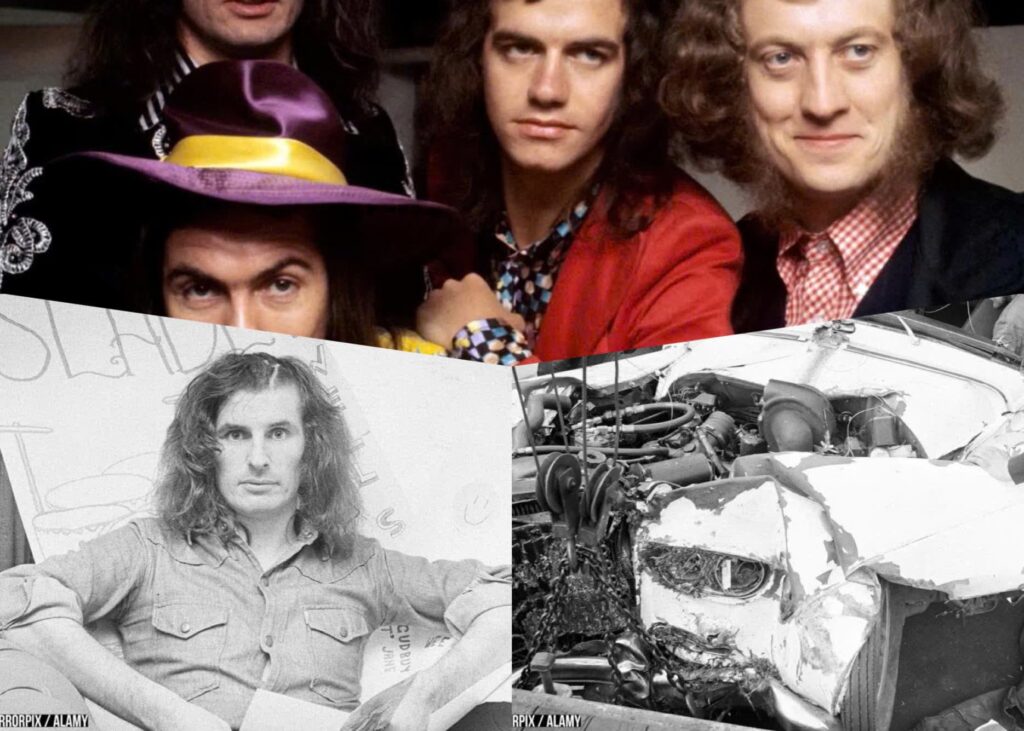
However, the band’s rise was not without serious challenges. In 1973, drummer Don Powell was involved in a severe car accident that resulted in life threatening injuries and long term memory loss. The incident marked a turning point for the group. Despite medical uncertainty and the emotional toll, the band chose to support Powell rather than replace him. His gradual recovery and return to performing became a testament to both personal resilience and group loyalty.
While Slade dominated the UK market, their attempts to establish a similar presence in the United States proved more difficult. Despite touring alongside major acts and delivering strong live performances, they struggled to achieve consistent commercial success across the Atlantic. Industry observers have often attributed this to limited promotion and the challenge of balancing commitments between domestic and international audiences.
By the late 1970s, changes in musical trends, including the rise of punk and disco, began to impact the band’s momentum. Yet their story did not end there. A notable resurgence occurred in 1980 when Slade delivered a widely praised performance at the Reading Festival, reintroducing them to a new generation of listeners and revitalizing their career.
Although internal and health related challenges would later affect the group, Slade’s influence remained significant. Their sound and stage presence helped shape the development of later rock genres, particularly glam metal in the 1980s.
Today, the story of Slade stands as both a celebration of success and a reflection on the realities of the music industry. It is a narrative defined not only by chart achievements but also by resilience, adaptability, and the enduring impact of their music.
 Timeless Melodies