
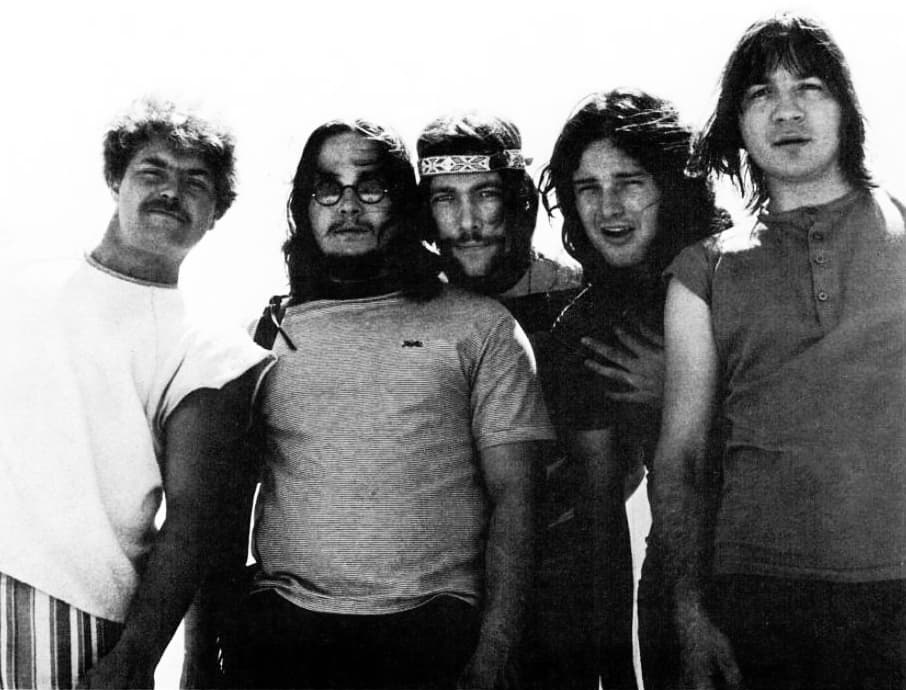
When American Woman Took Over Late Night Television, A Classic Rock Moment Revisited on The Midnight Special
On March 29, 1974, Canadian rock band The Guess Who delivered a memorable televised performance of their signature hit American Woman on The Midnight Special, a program that played a defining role in showcasing live popular music during the 1970s. Airing from NBC studios in Burbank, the late night series was known for its diverse lineup and authentic live performances, offering audiences an unfiltered look at artists at the height of their powers.
By 1974, The Guess Who had already secured their place in rock history. Formed in Winnipeg, the band became one of the first Canadian groups to achieve major success in the United States, largely driven by American Woman, which topped the Billboard Hot 100 in 1970 and remained their most iconic release.
The Midnight Special appearance came during a transitional yet still productive phase for the band. Their lineup had evolved since the song’s original release, but their live energy remained intact. On that March broadcast, American Woman opened a set that also included tracks such as These Eyes and Clap for the Wolfman, reflecting both their earlier success and more recent material.
What makes this performance stand out is its rawness and immediacy. Unlike heavily produced studio recordings, the televised format preserved the grit of the band’s blues rock and hard rock sound. The driving guitar riff and commanding vocal delivery retained the intensity that helped the song resonate with audiences years after its initial release. The show’s format, which emphasized live vocals and instrumentation, allowed artists like The Guess Who to connect directly with viewers in a way that pre recorded appearances could not.
American Woman itself remains a defining rock anthem of its era. Written collaboratively by all four original members, the track blends bluesy riffs with a bold, rebellious tone, contributing to its lasting cultural impact.
More than five decades later, the March 29, 1974 performance continues to circulate widely, offering a snapshot of a band in command of its craft and a television era that valued live musical authenticity. It stands as both a historical document and a reminder of how powerful a straightforward rock performance can be when delivered with conviction.