
The Quiet Strength of a Man Who Knows His Own Heart
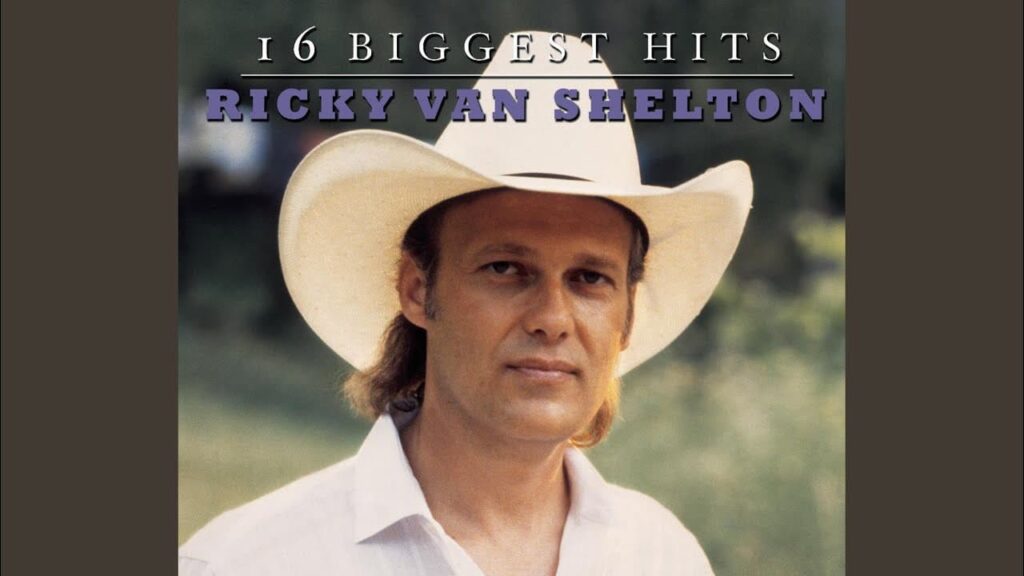
When Ricky Van Shelton released “I Am a Simple Man” in 1991, it became an anthem for the unpretentious soul of traditional country music. Featured on his album Backroads, the song swiftly climbed to the top of the Billboard Hot Country Singles & Tracks chart, reaffirming Shelton’s place among the most authentic voices of late–20th-century country. At a time when Nashville was leaning increasingly toward polished production and crossover appeal, this track stood as a resolute reminder of the genre’s rural roots—plainspoken, emotionally grounded, and profoundly sincere.
At its core, “I Am a Simple Man” is an ode to clarity—both moral and emotional. Written by Walt Aldridge, the song distills an entire life philosophy into verses that champion honesty over ambition, love over wealth, and peace over complication. Shelton’s warm baritone delivers those sentiments not as proclamations but as lived truths, each line carrying the weight of years spent understanding what truly matters. It’s a portrait of masculinity rendered without bravado: a man who does not need to conquer the world because he has already found contentment within it.
Musically, the track embodies the essence of early ’90s neotraditionalism—a movement that sought to restore country music’s storytelling dignity after the glossy excesses of the urban cowboy era. The arrangement is lean yet resonant: steady acoustic strumming framed by crisp percussion and steel guitar flourishes that shimmer like sunlight on open pastureland. There are no theatrical crescendos or studio artifices here; the production mirrors its protagonist’s ethos, favoring authenticity over ornamentation. Shelton sings as though he’s standing on a front porch at dusk, speaking to anyone willing to listen about the quiet joys of a life well-lived.
Lyrically, the song taps into one of country music’s oldest veins—the tension between simplicity and modernity. The “simple man” is not simple-minded; rather, he is clear-eyed in his understanding that complexity often leads to discontent. His creed rejects pretense in favor of principle: family, faith, hard work, and love as constants in a changing world. In this sense, “I Am a Simple Man” carries an almost spiritual undertone—it’s less about rustic nostalgia than about existential grounding. The message resonates because it speaks to something universal: the human desire to strip away noise until only truth remains.
Three decades on, the song endures not merely as a hit single but as a statement of integrity in an age that often confuses sophistication with substance. Ricky Van Shelton didn’t just sing about simplicity; he embodied it through his delivery—a rare fusion of humility and conviction that still hums through every note. Listening today feels like returning home after a long journey: familiar, honest, and deeply restorative.