
A Ballad of Compassion Etched in Country Steel
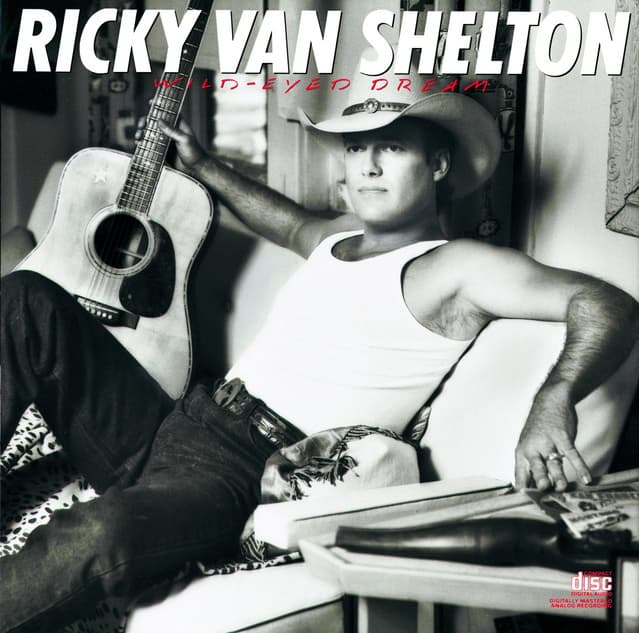
When Ricky Van Shelton released “Life Turned Her That Way” in 1987 on his debut album Wild‑Eyed Dream, the song carried with it a lineage already steeped in country tradition. Originally penned by Harlan Howard and first recorded two decades earlier by Little Jimmy Dickens—and later memorably interpreted by Mel Tillis—the song found its most tender, emotionally resonant expression in Shelton’s smooth baritone. His version reached the upper tiers of the Billboard Hot Country Singles chart, peaking at number one in early 1988, helping to cement his emergence as one of the late‑’80s torchbearers for classic country storytelling.
What makes Shelton’s interpretation remarkable is not merely its fidelity to tradition, but the depth of empathy he brings to the narrative. “Life Turned Her That Way” is no simple lament about betrayal or heartbreak—it is a study in understanding, a portrait of wounded humanity seen through a lens of mercy rather than judgment. The lyric’s premise—a man explaining to another why a woman has grown distant or cold—is transformed by Shelton’s performance into something almost sacred. He doesn’t accuse; he consoles. He recognizes that cruelty and disappointment can reshape the heart, that bitterness is often born from survival. In an era when country music was increasingly leaning toward polished production and crossover appeal, this song stood out as an unvarnished emotional confession, a reminder that vulnerability still had a place on mainstream radio.
Musically, the arrangement adheres to a traditional template: gentle steel guitar sighs around the edges, restrained percussion marking time like a heartbeat slowed by sorrow, and a melody that drifts between resignation and grace. Yet within this simplicity lies its genius. Shelton’s phrasing—unhurried, unforced—lets every line breathe with lived experience. You can almost see him standing under some dim barroom light, telling the story not to entertain but to heal. The production by Steve Buckingham captures that intimacy perfectly: no gloss, no artifice, just the raw timbre of a voice that believes what it’s saying.
At its core, “Life Turned Her That Way” embodies one of country music’s oldest moral truths—that pain begets pain, and love’s endurance depends upon compassion for those who’ve been broken by it. Harlan Howard once described country songs as “three chords and the truth,” and this composition might be one of his purest manifestations of that creed. Through Shelton’s voice, those chords echo with empathy: an understanding that people are shaped by what life hands them, and sometimes love must learn to forgive what experience has hardened. The result is more than just a hit single—it is a timeless testament to kindness amid ruin, delivered by one of the genre’s most gracefully understated storytellers.