
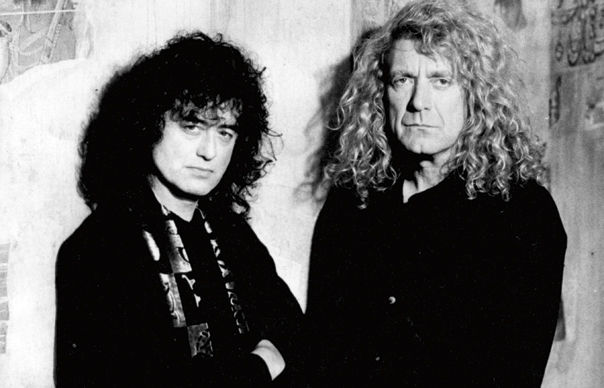
When Rain Becomes Memory: Jimmy Page and Robert Plant Reimagine a Led Zeppelin Classic
In a performance that quietly underscores the enduring artistry of Jimmy Page and Robert Plant, The Rain Song emerges not merely as a revisited classic but as a deeply reflective reinterpretation of one of Led Zeppelin’s most lyrical works.
Originally released in 1973 on the album Houses of the Holy, The Rain Song stood apart in the band’s catalogue. It was conceived after a remark that Led Zeppelin lacked ballads, prompting Page to compose a piece that would prove otherwise. The result was a composition structured around shifting tonal moods that mirror the emotional cycles of the seasons, later matched by Plant’s introspective lyrics.
In the 1990s revival project often associated with their No Quarter sessions, Page and Plant approached the song with a markedly different sensibility. Rather than reproducing its original form, they expanded it through orchestral arrangements and global musical textures. This version moves away from the grandeur of stadium rock and toward a more spacious and atmospheric soundscape, allowing the song’s emotional core to resonate with renewed clarity.
The performance is notable for its restraint. Page’s guitar work, once defined by technical spectacle, becomes more textural and nuanced, while Plant’s vocal delivery reflects a maturity shaped by time. His voice, less driven by the force of youth, instead leans into phrasing and emotional subtlety, reinforcing the song’s themes of love, change, and quiet acceptance.
One of the most striking aspects of the performance lies in its pacing. The song unfolds gradually, inviting the audience into a contemplative space. The opening passages are delicate, almost meditative, creating a sense of suspension before building toward its understated climax. The closing refrain, with its suggestion that sorrow is an inevitable part of life, lands with particular poignancy.
This reinterpretation also highlights the enduring adaptability of The Rain Song. While its original incarnation was tied to the ambition and scale of Led Zeppelin’s peak years, the later version reveals its capacity for intimacy and reflection. It becomes less a showcase of musical prowess and more a meditation on memory and emotional continuity.
In revisiting the piece, Page and Plant do not simply return to their past. Instead, they reshape it, offering a performance that bridges eras and sensibilities. The Rain Song remains what it has always been at its core: a quietly profound exploration of the human condition, made timeless through its ability to evolve.