
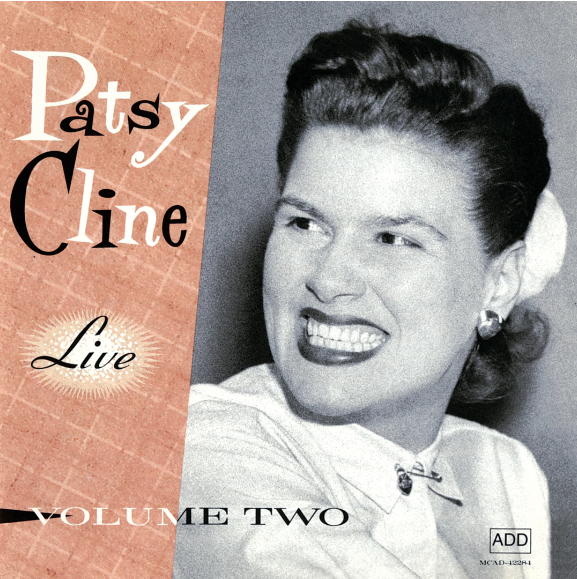
Before the Fame, a Voice in Motion: Patsy Cline and the Quiet Power of “The Wayward Wind”
In 1956, long before her name would become synonymous with the emotional depth of country music, Patsy Cline stepped into a radio studio and delivered a performance that now feels quietly prophetic. Her rendition of The Wayward Wind on the Country Hoedown was, at the time, little more than another live broadcast in a crowded field of aspiring voices. Today, it reads as something far more revealing.
Originally a chart-topping hit for Gogi Grant, the song tells the story of a restless man driven by an unrelenting urge to wander, leaving love behind in his wake. In Cline’s hands, however, the narrative subtly shifts. Rather than echoing the mythology of freedom often romanticised in mid-century American music, she leans into its emotional cost. Hers is not the voice of the wanderer, but of the one left behind, quietly absorbing the wreckage.
There is a striking irony in this moment. At the time of the broadcast, Cline herself was still navigating the uncertainties of an unestablished career. She was, in many ways, as untethered as the figure in the song, moving between performances, searching for a foothold in an industry that had yet to fully recognise her. That tension between motion and longing gives the performance its resonance. The song is not merely interpreted; it is inhabited.
The setting matters. In an era when radio programmes like “Country Hoedown” served as vital platforms for emerging artists, such performances were often fleeting, designed for immediacy rather than posterity. Yet it is precisely this lack of polish that gives the recording its enduring appeal. Stripped of the lush arrangements that would later define the Nashville Sound, Cline’s voice carries a rawness that feels intimate and unguarded.
Listening now, with the knowledge of what followed, the performance takes on an added poignancy. Within a year, Cline would break through with “Walkin’ After Midnight”, setting her on a path to stardom that would ultimately be cut short. Here, though, she is still on the cusp, her voice already possessing the emotional clarity that would define her legacy, even if the world had not yet caught up.
In “The Wayward Wind”, freedom is revealed not as liberation, but as loss. And in that 1956 broadcast, Patsy Cline, not yet a star, gives that truth a voice that continues to linger long after the signal fades.