
A Voice That Feels More Like a Confession Than a Song
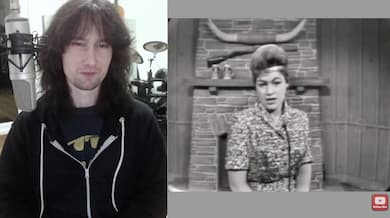
A recently resurfaced analysis by a British guitarist has drawn fresh attention to one of the most haunting recordings in American music history, “Crazy” by Patsy Cline. The video breaks down the technical brilliance behind the vocal performance, but more importantly, it reveals why the song continues to resonate as something deeply human rather than merely musical.
Written by Willie Nelson, “Crazy” was not an immediate favorite for Cline. In fact, she initially resisted recording it. It took persuasion from producer Owen Bradley to bring the song into the studio. What followed was far from a routine session. At the time, Cline was still recovering from a serious car accident that left her physically fragile. Reports suggest she struggled through early takes, unable to complete the song in one pass. The final version, now considered iconic, was captured only after rest, in what would become a near flawless take.
The guitarist’s analysis highlights a level of vocal control that feels almost invisible. Cline’s pitch remains steady, yet her phrasing resists strict timing. She stretches and softens words in a way that mimics natural speech, blurring the line between singing and confession. Her breath is light, never forced, allowing each line to feel intimate and unguarded. Subtle imperfections, including slight vocal breaks, are not corrected but embraced, adding emotional weight to every phrase.
What makes this performance extraordinary is not just technical mastery but lived experience. Following her accident, Cline’s voice carried a deeper, more reflective tone. In “Crazy,” that shift is unmistakable. The performance feels less like interpretation and more like revelation, as if the singer is processing real emotion in real time.
The recording also reflects the polished elegance of the Nashville Sound, a style that blended country roots with pop sensibility. Yet even within this refined production, Cline’s voice remains the focal point, cutting through with clarity and emotional precision.
Decades after its release, “Crazy” continues to defy replication. Modern singers may match the notes, but rarely the feeling. As the analysis suggests, the enduring power of the song lies in its authenticity. It is not simply a well performed track. It is a moment where vulnerability, timing, and circumstance aligned to create something timeless.
In revisiting this performance, audiences are reminded that the greatest recordings are not always the most perfect. Sometimes, they are the most honest.
Video: