
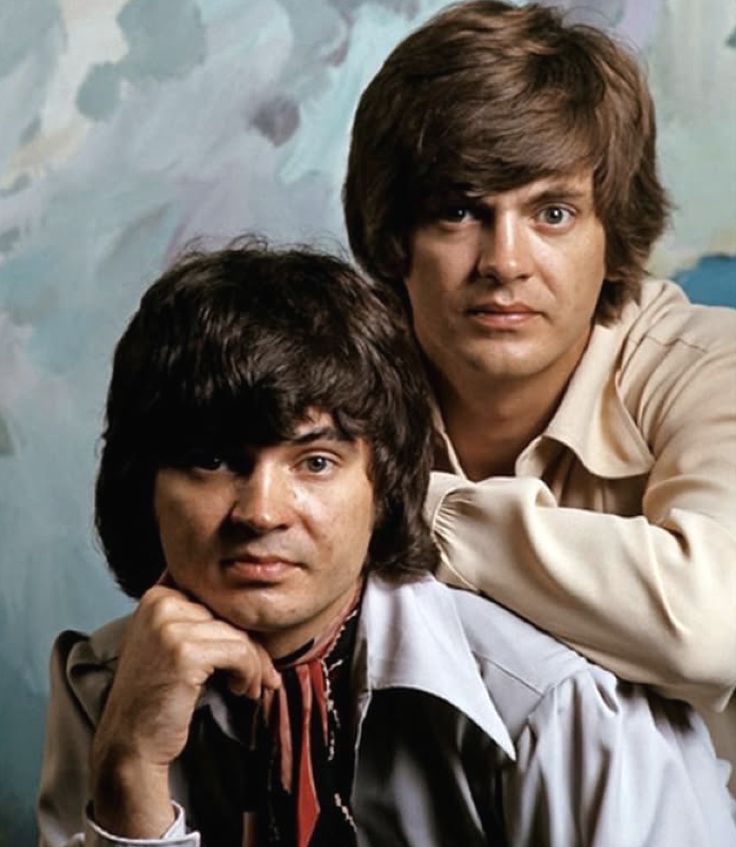
The Harmony of Heartbreak: The Everly Brothers and the Melancholic Majesty of “Crying in the Rain”
When the definitive pioneers of rock-and-roll vocal blending entered the recording studio in late 1961, they were about to forge a permanent monument to emotional vulnerability and pristine harmonic design. The incomparable Everly Brothers—Don and Phil—delivered a timeless masterclass in musical melancholy with their magnificent 1962 release, “Crying in the Rain.” Born from a rare and historic songwriting collaboration between the brilliant Carole King and Howard Greenfield under the legendary Brill Building umbrella, the track became a global top-ten phenomenon. It did not merely operate as another formulaic teen ballad of the era. Instead, the brothers treated the composition as a profound exploration of dignity in despair, using their supernatural vocal chemistry to turn a story of hidden tears under a stormy sky into a soaring, deeply reflective masterpiece.
The meticulous audio architecture behind this 1962 studio tracking represents the absolute, handcrafted pinnacle of mid-century pop production. Recorded in New York City with a world-class backing ensemble, the arrangement relies on a slow-burning, rhythmic syncopation that perfectly captures the steady, heavy cadence of falling raindrops. The track opens with a crisp, driving acoustic guitar foundation and a round, thumping bassline that forms a pristine, warm analog cushion. Rather than relying on aggressive instrumentation, the arrangement introduces a hauntingly beautiful, weeping string section and subtle percussion stabs that expand masterfully across the stereo field. This deliberate spatial restraint ensures that the musical backing never crowds the frequency spectrum, leaving an immaculate, reverent space for the main event: the brothers’ legendary vocal dialogue.
For the sophisticated music enthusiast who treasures the deep historical nuances of vocal health and close harmony, the Everly Brothers’ execution on this tracking is an absolute revelation. Navigating their signature “close harmony” style—where two distinct voices sing a thirds-interval apart throughout the entire melody—requires exceptional breath control, flawless pitch, and an innate, almost telepathic sense of timing. Don commands the lower baritone frequencies with a striking balance of mature wisdom and conversational poise, while Phil carries the higher, crystalline tenor intervals with a soaring, fragile vulnerability. Their voices merge with such precise, unadulterated clarity that they effectively create a singular, third psychological presence in the room, projecting a profound sense of human empathy and emotional honesty that modern digital pitch cosmetics simply cannot replicate.
To turn the volume all the way up and re-experience the Everly Brothers’ magnificent delivery of “Crying in the Rain” today is to be swept away by a powerful, deeply comforting wave of sweet nostalgia and profound gratitude. It transports the listener back to a golden, highly sophisticated era of popular music history—a time when an iconic sibling duo could completely captivate a global audience through the sheer strength of absolute sincerity and handcrafted acoustic precision. This definitive recording remains a triumphant chapter in rock-and-roll history, serving as a permanent, gentle reminder that true creative genius requires no modern digital gimmicks or synthetic enhancements to achieve emotional perfection. It leaves us with a timeless reminder that when a beautiful melody is delivered straight from the passionate souls of true masters, its magic possesses an immortal strength that will continue to cross generations, warm our souls, and echo in our hearts forever.