
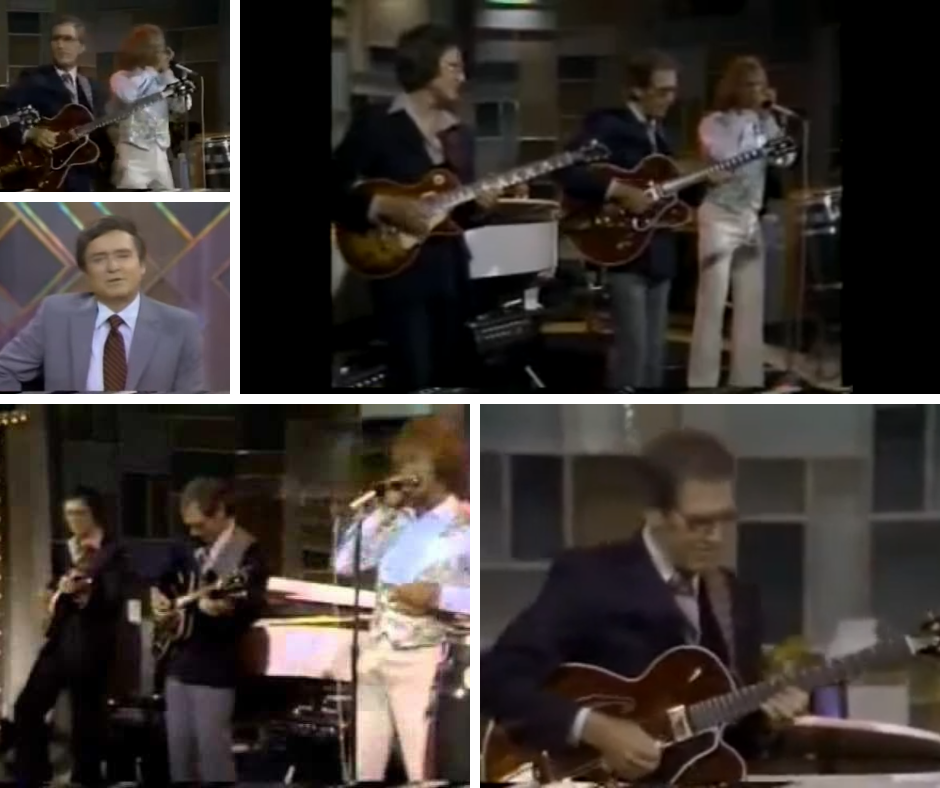
A breathtaking locomotive of sound, where lightning-fast fingers mimic the roaring steam and iron clatter of America’s most legendary passenger train.
There is a distinct, electrifying thrill that occurs when a musician manages to capture the raw, untamed spirit of the American railroad through the strings of a single instrument. When Chet Atkins unveiled his signature guitar interpretation of “Orange Blossom Special”—famously pressed as a high-demand 45 RPM single by RCA Records and featured as a thrilling showcase in his live performances—he took a song known as “the fiddle player’s national anthem” and completely rewrote its genetic code. Written in 1938 by Ervin T. Rouse, the composition had traditionally been used to test the absolute speed and endurance of country fiddlers. Yet, when Chet laid his hands on the melody, it became an instant landmark for guitar purists worldwide, generating millions of views across dedicated archival platforms like the No.1 Guitar Channel. Rather than chasing traditional radio pop charts, Atkins’ version achieved a permanent, legendary status in the Americana and bluegrass communities as the ultimate litmus test for fingerstyle virtuosity.
The story behind this iconic piece is a rich journey through the golden age of American travel. The song was written to honor the luxury passenger train of the same name, a streamlined, glistening locomotive operated by the Seaboard Air Line Railway that whisked wealthy travelers from New York City down to the sunny, tropical shores of Miami. When Ervin T. Rouse and his brother Gordon first recorded it in 1939, they utilized the fiddle to mimic the high-pitched hiss of the steam valves and the rhythmic chugging of the wheels. Over the decades, giants like Bill Monroe and Johnny Cash lent their own distinct styles to the track. However, Chet Atkins’ genius lay in his ability to translate those complex, atmospheric railway sounds onto the fretboard of his hollow-body guitar, using specialized picking patterns to evoke the sensation of a multi-ton iron beast roaring down the tracks at breakneck speed.
What makes Chet Atkins’ rendition of “Orange Blossom Special” so profoundly arresting is the sheer, dazzling speed and technical precision of his execution. Utilizing a modified version of his legendary “Travis picking” technique, Chet’s thumb creates a relentless, driving bass line that perfectly mimics the steady, syncopated clatter of a train crossing a wooden trestle. Meanwhile, his index and middle fingers fly across the high strings, pulling double-stops and rapid-fire pull-offs that imitate the train’s wailing whistle echoing through a lonely valley. There are no modern studio tricks or electronic enhancements here; the performance relies entirely on the organic relationship between wood, wire, and a pair of hands that moved with the fluid grace of a master craftsman at the absolute absolute peak of his creative power.
Decades after the legendary Orange Blossom Special train made its final run, listening to Chet Atkins play this masterpiece feels like opening a window into a vibrant, fast-moving chapter of our shared history. It effortlessly conjures the comforting aroma of old steam engines, the scenic blur of the American landscape outside a passenger window, and the timeless realization that true musical greatness requires no translation. To witness or hear Chet tackle this relentless tempo today is to remember a golden era when musicianship was forged through thousands of hours of quiet practice and genuine dedication. It remains an unforgettable testament to “Mr. Guitar,” who took a roaring symbol of industrial progress and turned it into an eternal piece of musical magic.