
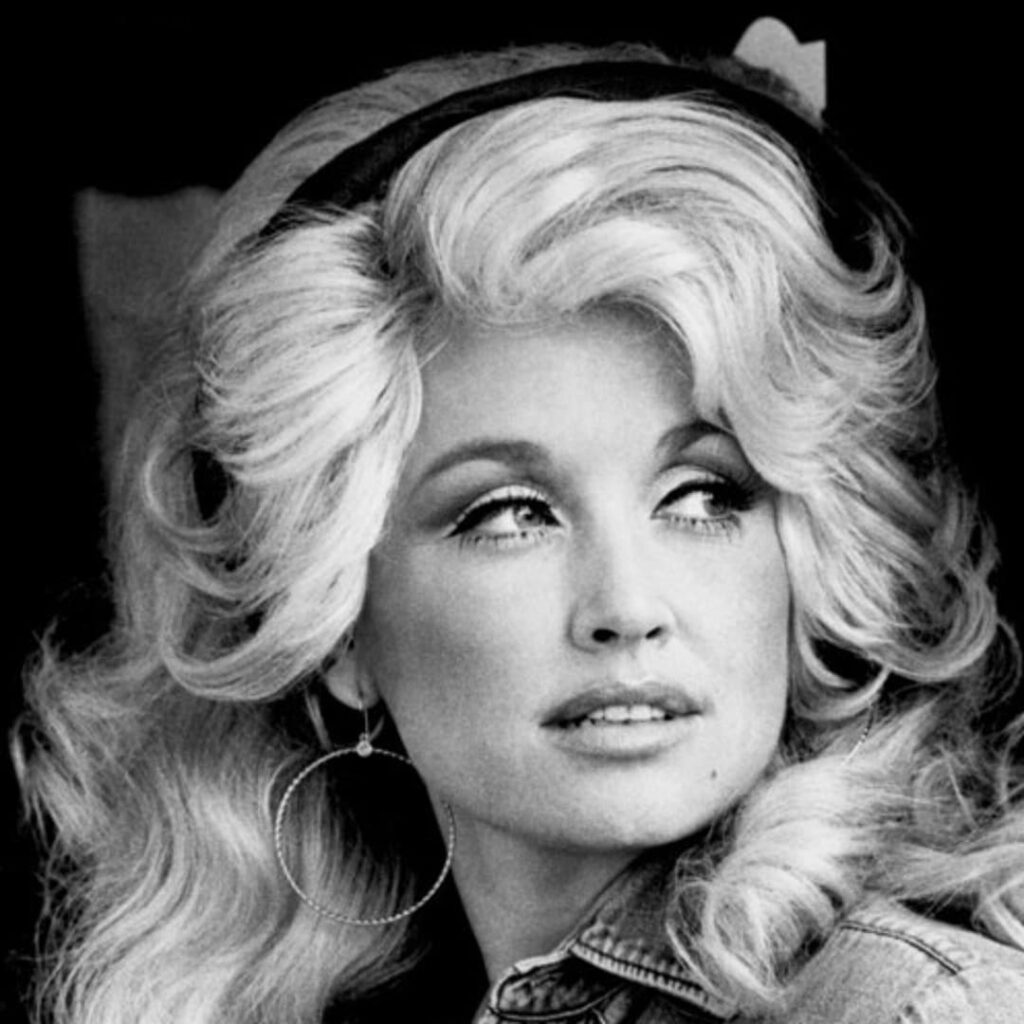
A whispered plea turned into an immortal warning a song where vulnerability, strength, and quiet desperation coexist in perfect balance.
When Dolly Parton released “Jolene” in October 1973, the song arrived with a deceptive simplicity that would soon reveal its extraordinary power. Issued as a single and included on the album Jolene (1974), the song quickly climbed to No. 1 on the Billboard Hot Country Songs chart, where it remained for two weeks. In the United Kingdom, it reached No. 7 on the UK Singles Chart, marking one of Parton’s earliest major international successes. Yet charts only tell part of the story. What truly set “Jolene” apart was its emotional clarity — a rare moment in popular music where fear, admiration, and dignity were allowed to share the same breath.
At its core, “Jolene” is not a song of rivalry, but of reckoning. Unlike many narratives of romantic threat, Parton does not attack or insult the woman she fears. Instead, she elevates her. From the opening lines, Jolene is described with almost reverent awe “flaming locks of auburn hair,” “eyes of emerald green,” a beauty so overwhelming it feels inevitable. This is not jealousy in its loud, destructive form. It is insecurity spoken softly, honestly, and without disguise.
The story behind the song has become almost as legendary as the song itself. Dolly Parton has explained that the inspiration came from two sources. One was a striking red-haired bank teller who showed interest in her husband, Carl Dean. The other was a young fan named Jolene who once asked for an autograph after a concert. The name lingered with Parton musical, unusual, and emotionally charged. She combined these fragments of real life into a fictional moment of confession, crafting a narrative that feels deeply personal while remaining universally understood.
Musically, “Jolene” is built on restraint. The iconic repeating minor-key riff driven by acoustic guitar and subtle rhythm creates a sense of urgency without ever raising its voice. There is no dramatic swell, no explosive chorus. Instead, the tension comes from repetition, mirroring the obsessive thoughts that accompany quiet fear. Each time Parton sings Jolene’s name, it sounds less like accusation and more like prayer.
Vocally, Dolly Parton delivers one of the most controlled and emotionally precise performances of her career. Her voice never breaks, yet it trembles with meaning. She does not beg loudly. She reasons. She explains. She exposes her vulnerability with remarkable grace, admitting that she cannot compete not because she lacks worth, but because she knows how fragile love can be. This emotional intelligence is what elevates the song beyond its era.
The meaning of “Jolene” has evolved over time, but its emotional truth remains untouched. It speaks to the universal experience of feeling replaceable, of recognizing beauty or power in another and fearing what it might undo. Yet there is dignity in the way the narrator speaks. She does not threaten. She does not blame. She simply asks — and that asking is what makes the song unforgettable.
Critically, “Jolene” solidified Dolly Parton not only as a gifted singer, but as one of the finest songwriters of her generation. The song has been covered countless times across genres from The White Stripes to Linda Ronstadt each version revealing new shades of its emotional core. Still, none surpass the original’s quiet intensity.
Today, “Jolene” stands as a masterclass in storytelling through restraint. It reminds us of a time when songs trusted silence as much as sound, and when emotional honesty did not require spectacle. In just over two minutes, Dolly Parton captured the ache of loving deeply while knowing nothing is guaranteed. And in doing so, she created not just a hit, but a timeless confession one that continues to echo wherever hearts have learned how easily love can tremble.