
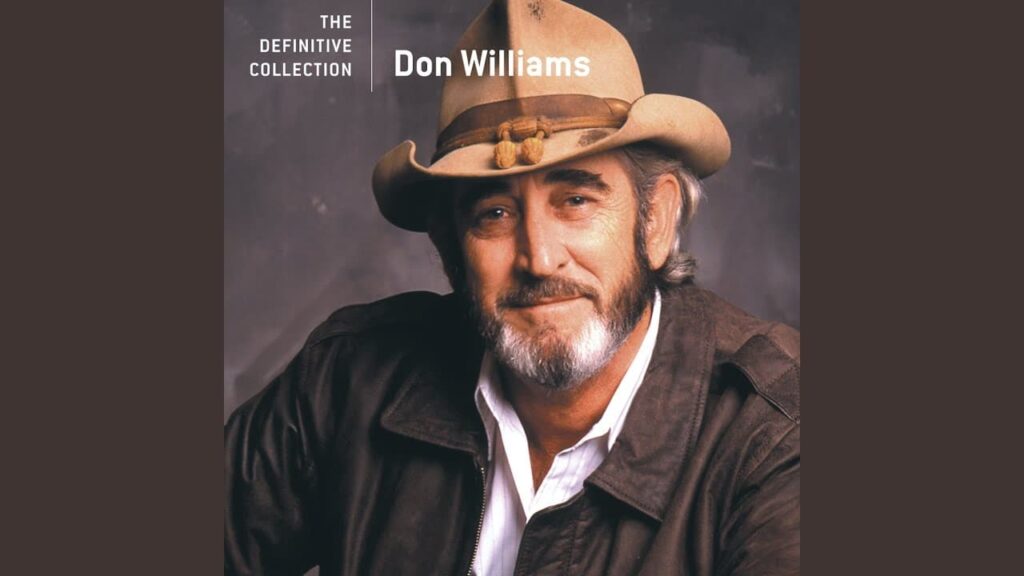
A Prayer Set to Melody: The Quiet Resilience of Everyday Hope
When Don Williams released “Lord, I Hope This Day Is Good” in late 1981, it quickly became more than another country single—it was a quiet benediction that resonated across the genre’s heartland. Featured on his album Especially for You, the song reached No. 1 on the Billboard Hot Country Singles chart in early 1982, marking one of Williams’ most beloved entries in a career defined by understatement and sincerity. At a time when country music was flirting with crossover polish and urban cowboy sheen, Williams stood apart: calm, measured, and profoundly human. His baritone—steady as oak—carried a humility that made this simple plea for grace feel universal.
The essence of “Lord, I Hope This Day Is Good” lies in its gentle conversation between man and Maker, a prayer whispered not from desperation but from weariness. Written by Dave Hanner, the song’s language is unadorned yet deeply evocative. It captures that fragile space between faith and fatigue—the point where one acknowledges life’s imperfections while still seeking light through them. Williams delivers the lines not with theatrical anguish but with a tender resignation that feels like morning light creeping through drawn curtains. There’s no grandeur here, no sweeping declarations of salvation; just an ordinary soul asking for a little mercy to get through another day.
Musically, the composition mirrors its lyrical humility. A soft acoustic foundation cradles Williams’ voice, while restrained steel guitar and brushed percussion lend it a pastoral warmth. It’s production as empathy—subtle enough to let the emotional weight breathe. The melody moves with the ease of a front-porch prayer, circular and comforting, as though designed to be hummed in solitude. In the broader landscape of country music at the time, this restraint was radical in its own way: an insistence that sincerity could still command attention without shouting for it.
What makes the song endure is its refusal to promise too much. Hope here isn’t triumph; it’s persistence. Williams embodies that ethos throughout his body of work—a belief that decency, patience, and quiet endurance are themselves forms of grace. In “Lord, I Hope This Day Is Good,” he distilled those virtues into three minutes of timeless consolation. Decades later, the song continues to surface in moments when listeners need gentleness more than grandeur—a reminder that even on hard days, gratitude and longing can coexist peacefully within the same heart.
In the end, Don Williams didn’t just sing about goodness; he trusted it would find us if we asked kindly enough.
 Timeless Melodies