
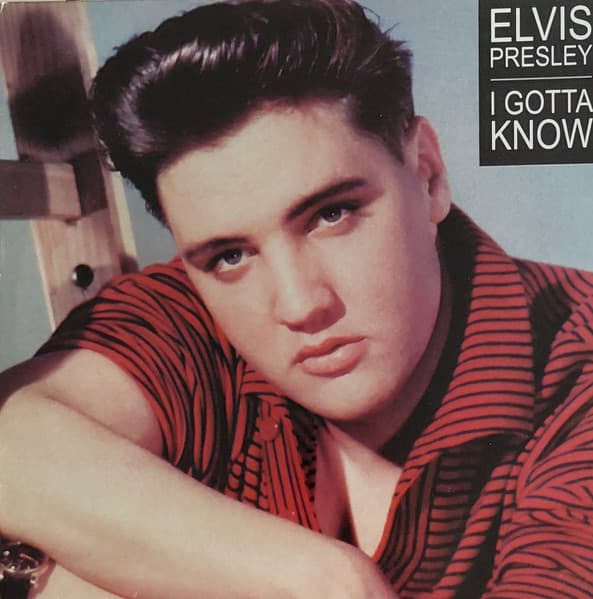
The Pulse of Certainty: Elvis Presley’s Rhythmic Masterclass in “I Gotta Know”
In the vast discography of Elvis Presley, there are tracks that serve as a showcase for his sheer vocal charisma, and then there are those that highlight his genius for rhythmic timing. “I Gotta Know,” recorded in 1960 at the legendary RCA Studio B in Nashville, belongs firmly to the latter category. Released as the B-side to “Are You Lonesome Tonight?”, the song climbed to number 20 on the Billboard Hot 100, proving that Elvis’s audience was just as hungry for his upbeat energy as they were for his ballads. For the sophisticated listener who appreciates the “gears” of a well-constructed pop song, this track is a high-fidelity delight—a playful, hybrid recording that captures the King at a peak of post-army professional polish.
The brilliance of “I Gotta Know” lies in its daring structural duality. The song famously toggles between two distinct tempos: a slow, romantic 3/4 waltz during the verses and a driving, high-energy 4/4 rock-and-roll beat during the chorus. For the discerning listener, the technical execution here is flawless. Supported by the impeccable harmonies of The Jordanaires and the stinging guitar work of Hank Garland, Elvis navigates these transitions with the grace of an athlete. The production captures the “room sound” of Nashville’s golden era, where every slap of the bass and every triplet on the piano feels tactile and alive. It is a rhythmic sanctuary that rewards those with an ear for arrangement and studio craft.
For those of us who have navigated the complexities of life and relationships, the lyrical heart of the song resonates with a very mature desire for clarity. It moves past the simple infatuation of youth and demands a definitive answer.
To a listener with decades of experience, these words echo the universal need for emotional honesty. Elvis delivers the lines with a wink; he isn’t truly desperate, but he is persistent. His vocal shift—from the crooning, honeyed tones of the verse to the sharp, percussive “shout” of the chorus—perfectly mirrors the internal tug-of-war between wanting to believe in romance and needing to know the facts. Through the lens of our gathered years, the song serves as a soulful, rhythmic reminder that while love is a dance, it eventually requires a steady beat.
Revisiting “I Gotta Know” today is a profoundly nostalgic experience that highlights the enduring “cool” of the 1960s Nashville sound. In an era of digital perfection, the human “swing” of this recording stands as a glowing ember of authentic artistry. For the discerning reader, this track remains a testament to the power of a performer who could bridge the gap between genres with a single breath. Elvis Presley didn’t just sing a hit; he mastered a complex rhythmic puzzle, leaving us with a legacy that is as intellectually satisfying as it is fun to listen to. It is a timeless invitation to appreciate the nuance in the noise and the certainty in the swing.