
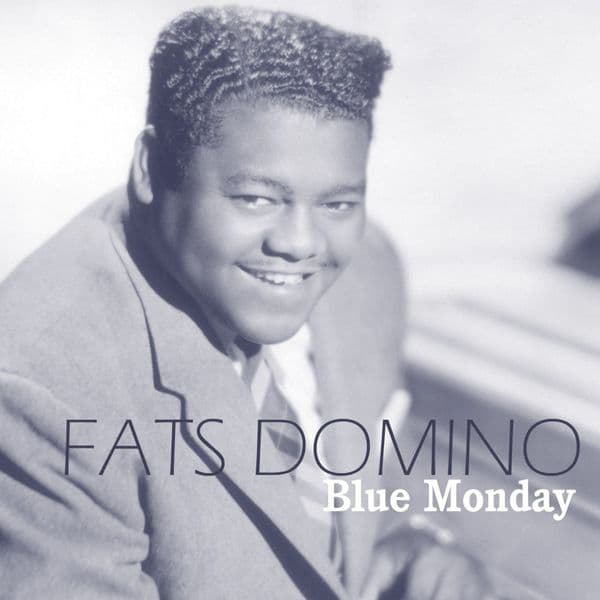
“Blue Monday” a piano shuffle that turned everyday weariness into rhythm, warmth, and irresistible New Orleans soul
When Fats Domino released “Blue Monday” in 1956, he gave voice to a feeling everyone knew but few songs had captured so joyfully: the slow return to routine after the weekend glow fades. On the surface, it is a lighthearted rhythm-and-blues number about the grind of the workweek. Beneath that surface, however, “Blue Monday” stands as one of the most human, charming, and enduring expressions of postwar American life wrapped in rolling piano chords and a smile you can hear in every note. The song reached No. 5 on the Billboard R&B chart in 1956 and later found a wider audience when it was included in the influential rock-and-roll film The Girl Can’t Help It, helping to cement its place in popular music history.
By the mid-1950s, Fats Domino was already a cornerstone of the emerging rock ’n’ roll movement. Born and raised in New Orleans, he carried the city’s musical DNA in his playing: blues, boogie-woogie, jazz, and Caribbean rhythms flowing together naturally. Unlike many of his contemporaries who projected rebellion or danger, Domino offered something different warmth, humor, and a deep sense of ease. “Blue Monday” captures this persona perfectly. Even when singing about exhaustion and obligation, he never sounds bitter. Instead, he sounds understanding, as if saying, “We’ve all been there and we’ll get through it.”
The song’s structure is deceptively simple. Over a relaxed shuffle beat, Domino narrates the week day by day: Monday through Friday, each carrying its own small burden. Yet the genius lies in how this repetition becomes comforting rather than monotonous. His piano playing, co-written with longtime collaborator Dave Bartholomew, moves with a gentle swing that turns fatigue into motion. The melody doesn’t complain it strolls. The rhythm doesn’t drag it rocks. This balance is what made “Blue Monday” so relatable and so replayable.
Historically, “Blue Monday” arrived at a moment when American music was beginning to speak directly to working-class experience. The postwar boom promised prosperity, but daily labor still defined most lives. Domino’s song acknowledged that reality without judgment or drama. There is no grand heartbreak here, no existential crisis just the simple truth that weekends are short and Mondays come too soon. In doing so, the song forged a quiet emotional bond with listeners, especially those who recognized themselves in its verses.
Culturally, the track also illustrates how Fats Domino helped bridge rhythm and blues with mainstream rock ’n’ roll. While the song was rooted firmly in Black musical tradition, its humor and accessibility allowed it to travel across racial and generational lines. This crossover appeal would become one of Domino’s greatest legacies. His music didn’t confront it welcomed. “Blue Monday” invites the listener in, offers a knowing nod, and plays on.
Decades later, the song took on new life through covers and references, most famously influencing later generations of rock musicians who admired its groove and economy. Yet no version carries the same easy grace as the original. Domino’s voice rounded, unforced, and slightly playful sounds like it belongs to someone who has made peace with life’s rhythms. Even when the lyrics speak of being tired, the performance itself feels rested.
Listening to “Blue Monday” today is like opening a window to a slower, more grounded time. The song does not rush, does not shout, and does not demand attention. It simply exists, confident that its truth will be recognized. In an age of constant urgency, that quality feels especially precious.
In the vast catalog of Fats Domino, filled with classics like “Ain’t That a Shame”, “Blueberry Hill”, and “Walking to New Orleans”, “Blue Monday” holds a special place. It may not be the grandest hit, but it is among the most honest. It reminds us that even the most ordinary days can carry music within them and that sometimes, the blues sound best when they smile.