
The Enduring Power of a Country Classic
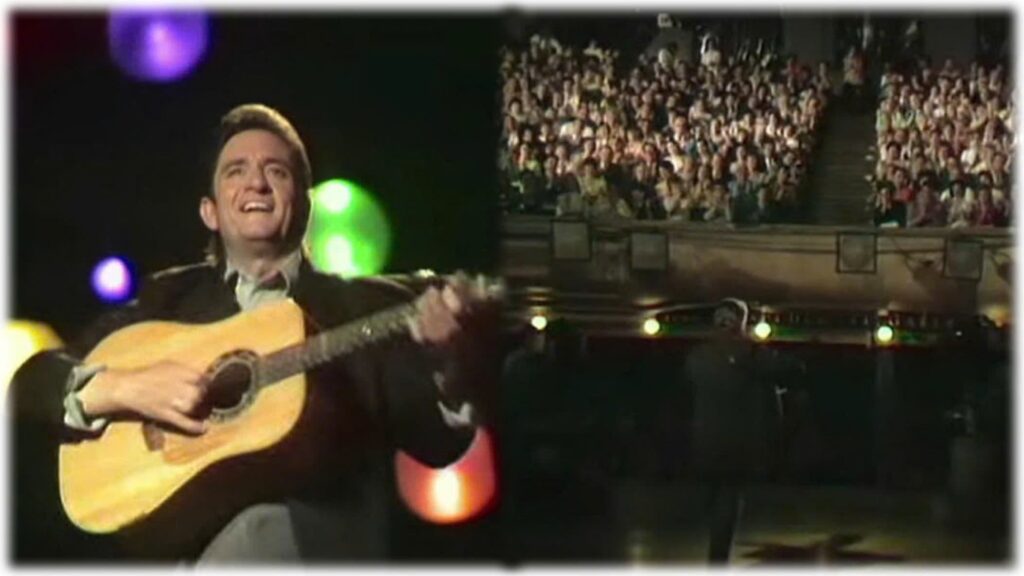
In the late 1960s American television audiences were introduced to one of country music’s most powerful songs when Johnny Cash performed Folsom Prison Blues on The Johnny Cash Show. The performance, later included in collections highlighting the best moments of the program, captured the raw storytelling style that defined Cash’s career and helped transform a simple country song into a cultural landmark.
The origins of Folsom Prison Blues reach back to the mid 1950s when Cash wrote the song after watching the film Inside the Walls of Folsom Prison while serving in the United States Air Force in West Germany. Inspired by the story and atmosphere of prison life, Cash created a narrative from the perspective of an inmate reflecting on his crime and longing for freedom. The song was recorded on July 30, 1955 at Sun Studio in Memphis and released later that year by Sun Records, quickly becoming one of his early signature recordings.
The song combines two classic themes of American folk tradition, the imagery of trains and the experience of imprisonment. In the lyrics the prisoner hears a train passing outside the prison walls and imagines the freedom of those traveling inside. The famous line about shooting a man in Reno was deliberately written by Cash as an example of a senseless crime, intended to emphasize the regret and isolation felt by the narrator.
By the time Cash brought the song to television audiences on The Johnny Cash Show, it had already become one of the most recognizable songs in country music. The television performance highlighted his unmistakable deep voice and minimal musical arrangement, usually driven by guitar and the steady rhythm of his backing musicians. The simplicity allowed the storytelling to remain at the center of the performance.
The song’s reputation grew even further after Cash performed it for inmates at Folsom State Prison in 1968, an event that later produced the acclaimed live album At Folsom Prison. That recording topped the country charts and played a major role in reviving Cash’s career at a difficult moment in his life.
Television performances of Folsom Prison Blues, including those from The Johnny Cash Show, helped carry the song beyond the world of country music into mainstream American culture. Viewers witnessed a performer who combined authenticity, empathy and narrative power.
Decades later, these recordings remain an important document of Cash’s artistry. They show how a single song about guilt, freedom and redemption could connect with audiences both inside prison walls and across living rooms throughout America.
 Timeless Melodies