
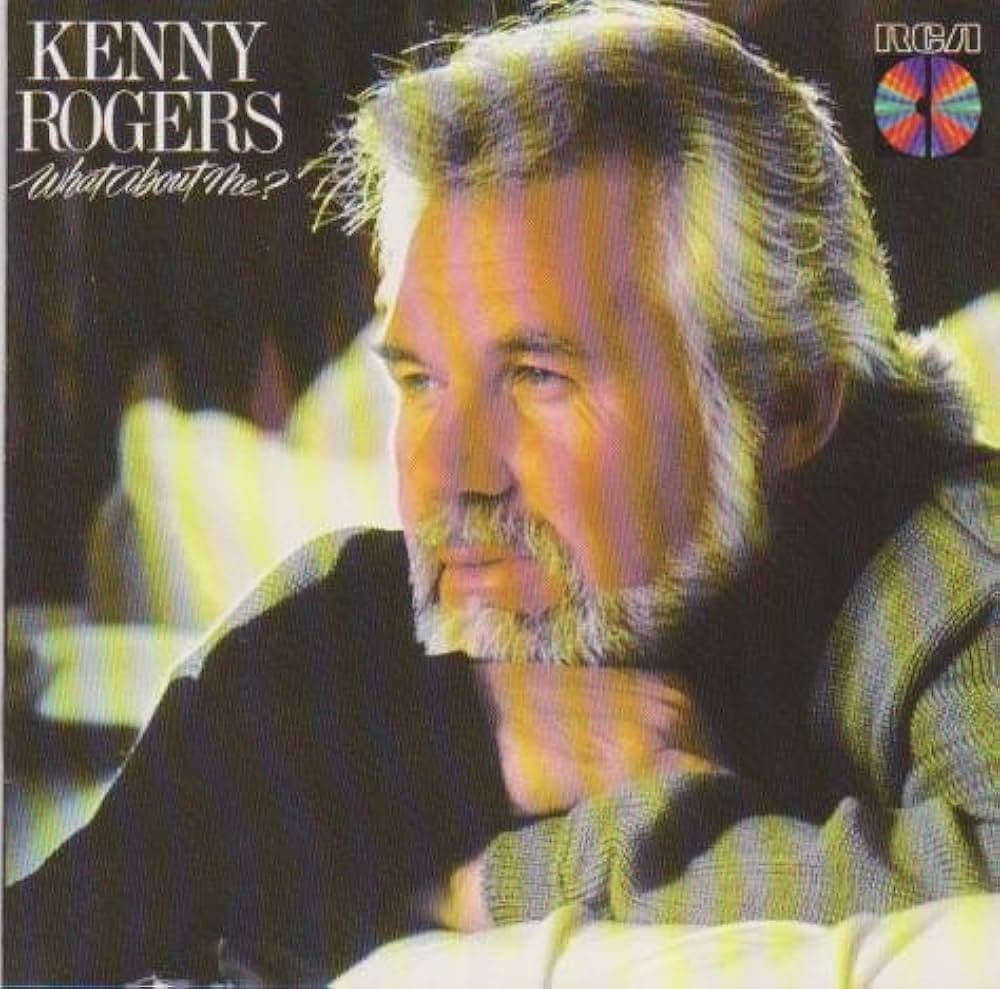
A Quiet Reckoning with Truth and Self-Deception, Where Love Fails Not from Cruelty, but from Avoidance
When Kenny Rogers released “Homemade Lies” in 1982, it arrived not as a dramatic confession or a sweeping declaration, but as something far more unsettling: a calm, measured admission of emotional dishonesty. Issued as a single from the album Love Will Turn You Around, the song climbed to No. 4 on the Billboard Hot Country Singles chart, affirming once again Rogers’ rare ability to connect deeply with listeners through stories that felt uncomfortably familiar rather than idealized.
By the early 1980s, Kenny Rogers had already secured his place as one of the most trusted storytellers in American popular music. He was not a singer of youthful rebellion or romantic fantasy. His voice carried experience—relationships tried, promises bent, and truths postponed. “Homemade Lies” fits squarely into this phase of his career, where emotional maturity mattered more than dramatic flair.
The title itself is one of the song’s most powerful achievements. A “homemade lie” is not something crafted to deceive others maliciously. It is something we make for ourselves small explanations, softened truths, quiet excuses designed to keep life moving without confrontation. From the opening lines, the song establishes that the real conflict is internal. The narrator knows the relationship is unraveling, yet continues to speak words that delay the inevitable.
Lyrically, “Homemade Lies” is devastating in its restraint. There are no accusations, no raised voices. Instead, there is the slow realization that love has been sustained not by truth, but by carefully maintained illusions. Rogers sings from the perspective of someone who understands his own role in the collapse. He does not blame fate or circumstance. He acknowledges choice.
Musically, the arrangement reflects this emotional clarity. The tempo is steady, unhurried. The instrumentation soft electric guitar, subtle rhythm section, gentle background harmonies never intrudes on the narrative. Everything exists to support the voice, which remains calm even as the emotional weight deepens. This musical patience allows the song to unfold like a late-night conversation where nothing is shouted, yet everything is understood.
Vocally, Kenny Rogers delivers one of his most understated performances. His baritone is warm, grounded, and almost conversational. He does not dramatize regret; he recognizes it. That choice makes the song far more powerful than any grand gesture could. It sounds like a man finally admitting what he has known for some time, choosing honesty not because it is easy, but because it has become necessary.
Within the context of Love Will Turn You Around, “Homemade Lies” plays a crucial emotional role. While the album’s title track speaks of hope and renewal, this song occupies the space just before that transformation the moment when illusions must fall away before change can begin. It acknowledges that love does not always end in betrayal; sometimes it fades under the weight of unspoken truths.
The early 1980s were a period when country music increasingly embraced polished production and crossover appeal. Yet “Homemade Lies” resisted sentimentality. It trusted listeners to recognize themselves in the story without being told how to feel. That trust is part of why the song continues to resonate. It does not instruct. It reflects.
Over time, “Homemade Lies” has become one of those quietly respected entries in Kenny Rogers’ catalog perhaps not as celebrated as his chart-topping classics, but deeply valued for its honesty. It captures a truth that grows clearer with experience: that the most damaging lies are often the ones we tell gently, repeatedly, and with good intentions.
Listening to the song now feels like revisiting a familiar emotional landscape. Not dramatic, not catastrophic but heavy in its own way. It reminds us that love requires courage not only to begin, but to speak plainly when comfort becomes a substitute for truth.
In the end, Kenny Rogers’ “Homemade Lies” is not a song about heartbreak alone. It is a song about responsibility the responsibility to stop pretending, to stop softening reality, and to face what is already known. And in that quiet reckoning, the song finds its lasting power: a reminder that honesty, however late, is still an act of respect.