
Led Zeppelin and the Quiet Power of Babe I’m Gonna Leave You
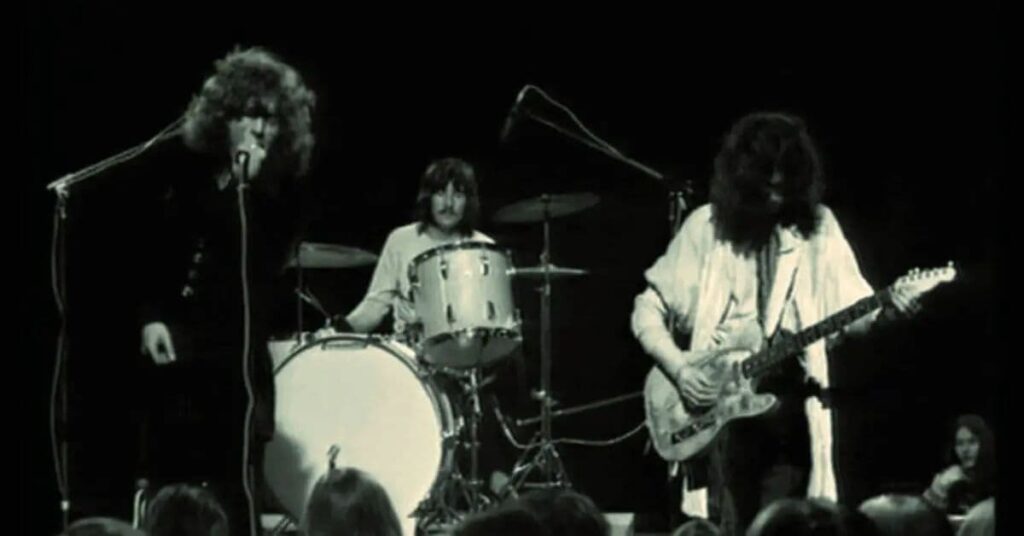
On March 17, 1969, Led Zeppelin stepped into a Danish television studio to record a short live set for Danmarks Radio. At the time, the band was still at the very beginning of its career, having just released its debut album earlier that year. What unfolded in that studio would later be recognized as a rare and revealing snapshot of a group on the verge of global recognition.
Among the songs performed that evening, Babe I’m Gonna Leave You stands out for its emotional depth and musical structure. Originally written by Anne Bredon and popularized by Joan Baez, the song was reimagined by the band into a dynamic blend of acoustic and electric elements.
The backstory of the song is closely tied to the formation of the group itself. Guitarist Jimmy Page introduced the piece to Robert Plant during their earliest meetings in 1968. From that moment, the song became a creative foundation, allowing them to experiment with contrasts in volume and intensity that would later define their sound.
The opening moments of the 1969 performance are striking in their restraint. Page begins with delicate acoustic phrasing, creating a quiet and almost intimate atmosphere. In a television studio setting, without the scale of a concert crowd, this softness becomes even more pronounced. It feels less like a spectacle and more like a conversation between musicians and a small unseen audience.
As the performance progresses, the song reveals its full structure. Sudden transitions into heavier sections introduce a sense of tension and release. This contrast, already present in the studio recording, becomes more immediate and physical in the live setting. The band moves seamlessly between calm and intensity, demonstrating a level of cohesion that is remarkable for a group so early in its development.
There is also a sense of historical irony in the moment. At the time of recording, neither the band nor the audience could fully anticipate what would follow. The performance was simply part of a television broadcast. Yet in retrospect, it captures one of the first visual documents of a band that would soon redefine rock music.
The closing passages of the song carry a quiet finality. Rather than ending with excess, the performance returns to a more restrained tone, echoing the beginning. This circular structure reinforces the emotional conflict at the heart of the song, a tension between departure and attachment.
Today, the recording serves as both a performance and a memory. It preserves a moment when Led Zeppelin was still becoming Led Zeppelin, and when a song rooted in folk tradition helped shape the future of rock.