
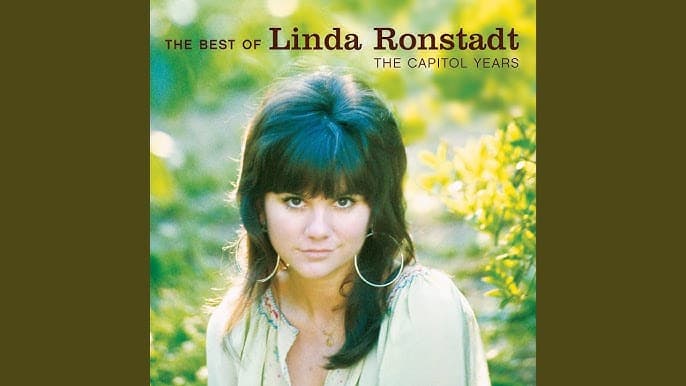
A Masterclass in the Architecture of Loneliness: The Heart-Wrenching Transcendence of Linda Ronstadt’s “Long Long Time.”
There are rare moments in the history of recorded music where a performer manages to capture the absolute, crystalline essence of a broken heart not just the initial crack, but the long, echoing ache that follows. When Linda Ronstadt released “Long Long Time” in 1970 as part of her second solo album, Silk Purse, she didn’t just sing a ballad; she delivered a manifesto for the unrequited soul. This haunting track became her first major hit, climbing to number 25 on the Billboard Hot 100 and spending an impressive twelve weeks on the charts. For those of us who remember the burgeoning folk-rock scene of the early 70s, this song was the moment Ronstadt transitioned from a “Stone Poneys” band member into a singular, formidable icon. Produced by Elliot Mazer in the Nashville style, the recording possesses a raw, intimate vulnerability that remains just as devastating today as it was over fifty years ago, serving as a sanctuary for anyone who has ever loved someone from a distance that could never be crossed.
The story behind “Long Long Time” is one of artistic intuition and the pursuit of perfection. Written by Gary White, the song was brought to Linda at a time when she was still finding her footing as a solo artist. The recording session itself is legendary; Ronstadt was reportedly so moved by the lyrics and the melody that she recorded the vocal in a single, emotionally exhausted take after hours of rehearsal. The arrangement, featuring the weeping strains of a pedal steel guitar and a delicate string section, provides a cinematic backdrop for her voice, which moves from a fragile whisper to a powerful, soaring crescendo. To the sophisticated listener, the brilliance of this track lies in its restraint; it never descends into melodrama, instead maintaining a quiet, dignified sorrow that feels entirely authentic. It was the performance that earned Linda her first Grammy nomination for Best Contemporary Female Vocal Performance, signaling the arrival of a world-class interpretive talent.
As we look back through the lens of a life lived and loved, the meaning of “Long Long Time” deepens into a profound reflection on the nature of endurance. The song isn’t about the heat of a new romance, but about the cold, steady persistence of a love that will never be returned.
“I’ve done everything I know to try and make you mine / And I think I’m gonna love you for a long, long time.”
For those who have navigated the long seasons of life, these lyrics resonate with the painful truth of “emotional memory” the realization that time doesn’t always heal, it simply teaches us how to carry the weight. Ronstadt’s phrasing is impeccable; she breathes life into the exhaustion of waiting, the futility of hope, and the strange, quiet comfort found in simply refusing to forget. It is a song for the thoughtful hours of the night, when the past feels closer than the present and the faces of those we once cherished flicker in the shadows of our minds.
Revisiting this track today is an exercise in high-fidelity nostalgia. The analog warmth of the 1970 recording captures every subtle catch in Linda’s throat and the rich resonance of the acoustic instruments, offering a listening experience that feels both grand and intensely private. For the discerning reader, “Long Long Time” serves as a reminder of a time when music was built on the foundation of genuine vocal prowess and lyrical honesty. It is a song that honors the beauty of the “unsuccessful” love, suggesting that there is a certain nobility in staying true to one’s feelings, even when they lead to a dead end. Linda Ronstadt didn’t just sing about time; she made it stand still. This recording remains a glowing ember in the fireplace of our collective memory, a testament to the fact that while people may leave, the songs we sang for them remain etched in the soul forever.
 Oldies Songs