
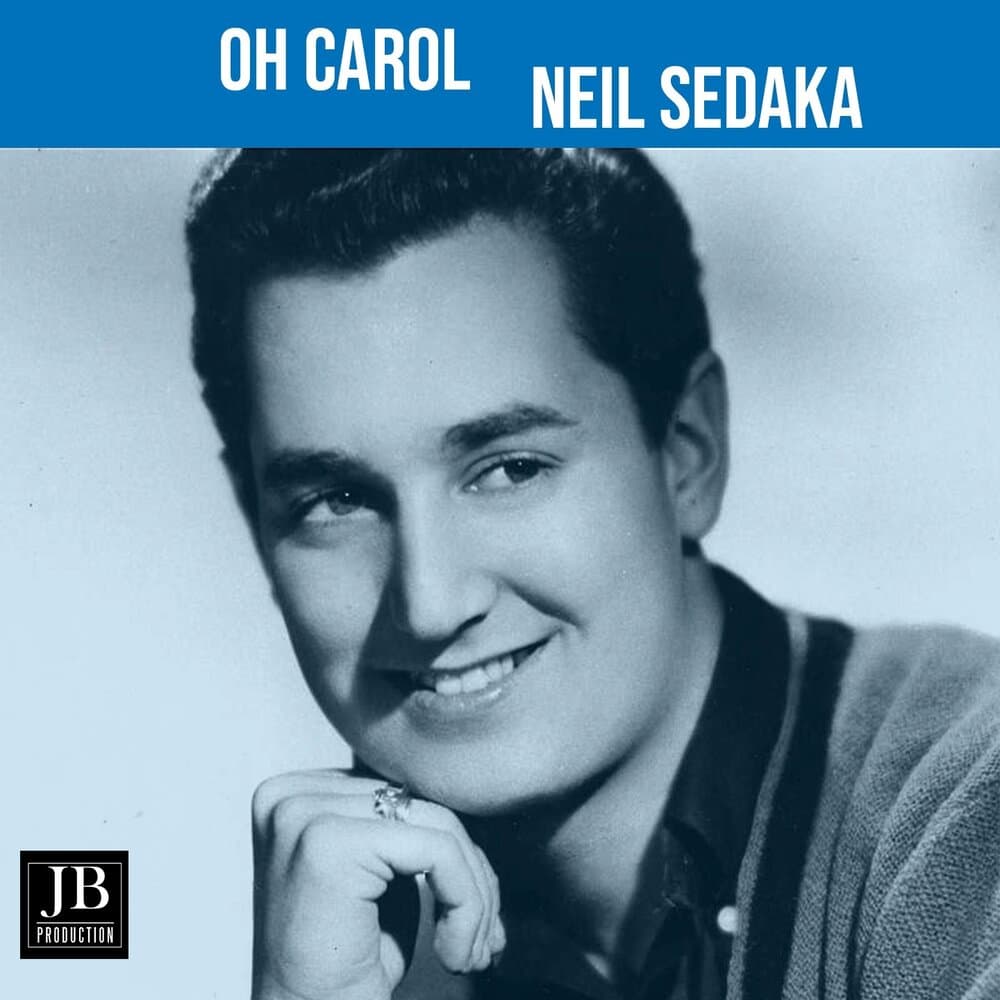
A classic Pop song is born.Neil Sedaka and the enduring appeal of Oh Carol, in any version.
In the closing months of 1959, a lively pop song titled Oh Carol helped transform a young singer songwriter into an international star. The recording by Neil Sedaka captured the spirit of late nineteen fifties rock and roll while introducing audiences to a melodic style that would define an era of popular music. More than six decades later, the song remains one of the most recognizable recordings of early pop history.
Oh Carol was written by Sedaka together with lyricist Howard Greenfield and recorded on July 31, 1959 at the RCA Victor studio in New York City. The single was released later that year by RCA Victor and quickly gained attention on radio stations across the United States. Its upbeat rhythm, clear melody, and Sedaka’s distinctive piano accompaniment gave the song a fresh and youthful sound that appealed strongly to teenage audiences.
The inspiration for the song came from Sedaka’s high school friendship with Carole King, who at the time was known by her birth name Carol Klein. The playful title and affectionate lyrics were meant as a musical tribute to their teenage relationship. In a curious twist of pop culture history, King later responded with her own lighthearted answer song titled Oh Neil, written with her future husband Gerry Goffin.
Commercially the song became Sedaka’s first major breakthrough. Oh Carol spent eighteen weeks on the Billboard Hot 100 and reached number nine in the United States while climbing even higher in several international markets. In the United Kingdom the record reached number three and remained on the chart for more than four months. The success established Sedaka as one of the leading young performers of the early rock and roll period.
Television performances of Oh Carol during the late nineteen fifties played an important role in expanding the song’s popularity. On screen Sedaka appeared as a confident young pianist whose energetic delivery matched the optimism of the era. His combination of melodic songwriting and charismatic performance helped audiences connect with the music in a way that felt both modern and approachable.
The success of Oh Carol launched a remarkable run of hits for Sedaka during the early nineteen sixties. Songs such as Calendar Girl and Breaking Up Is Hard to Do soon followed, cementing his reputation as one of the defining voices of pop music before the arrival of the British Invasion.
Today Oh Carol stands not only as a memorable recording but also as a symbol of the youthful energy that defined late nineteen fifties pop culture. Through its catchy melody and heartfelt simplicity, the song continues to remind listeners of a time when a young pianist from Brooklyn could capture the imagination of audiences around the world with a single joyful performance.
 Timeless Melodies