
“The Dreamer” and the Art of Scopitone Revival
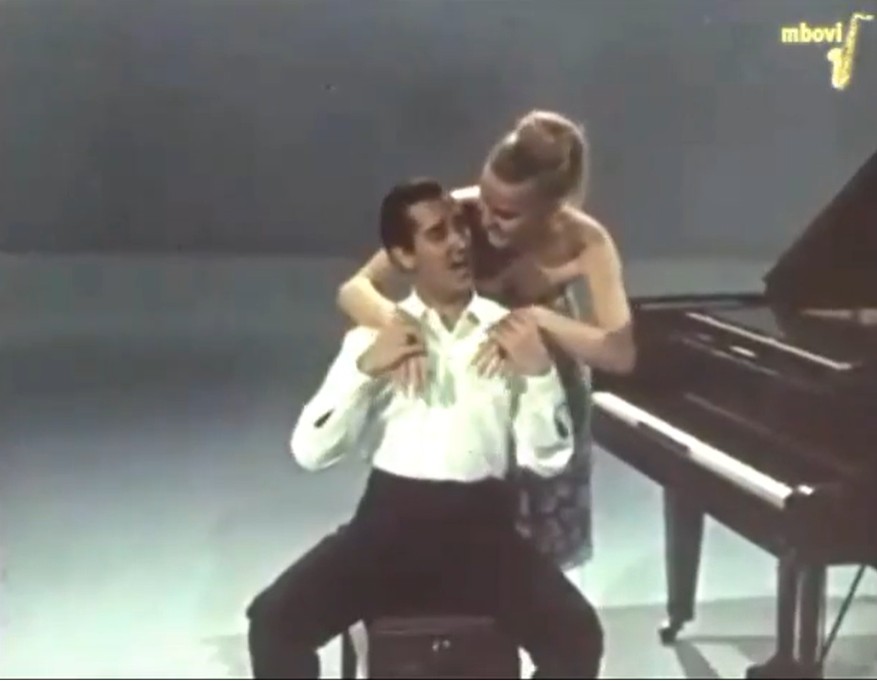
Long before the rise of MTV and the global dominance of music videos, a lesser known format quietly laid the groundwork for visual pop storytelling. In the early 1960s, Scopitone films offered audiences a new way to experience music through synchronized visuals and sound. Among the pioneers of this format was Neil Sedaka, whose performance of “The Dreamer” stands today as both a historical artifact and a testament to artistic experimentation.
The recently restored version of Sedaka’s Scopitone highlights both the promise and the limitations of early music video technology. Originally designed for visual jukeboxes, Scopitones were short musical films shot on color 16mm film, often featuring vibrant imagery and staged performances. However, due to technological constraints and decades of aging film stock, many of these recordings have suffered from degraded audio quality. The restoration effort behind “The Dreamer” attempts to address these flaws, improving clarity while preserving the original character of the recording, even if some sections still fade or fluctuate.
What makes this piece particularly significant is Sedaka’s role in shaping a format that would later evolve into a defining element of pop culture. At a time when most artists were confined to radio and live television, he embraced a medium that blended cinema and music. This willingness to experiment positioned him among the earliest American pop artists to bridge sound and image in a way that anticipated the music video revolution.
Beyond its technical aspects, “The Dreamer” reflects the tone and sensibility of Sedaka’s early career. The performance carries a sense of innocence and aspiration, aligning with the optimistic spirit of the era. Visually, the Scopitone format often leaned toward theatrical and stylized settings, giving artists an opportunity to extend the narrative of their songs beyond audio alone.
For modern audiences, the restored clip offers more than nostalgia. It provides insight into how music consumption has evolved and how innovation often begins in overlooked formats. While today’s high definition productions dominate digital platforms, the charm of Scopitone lies in its simplicity and ambition.
In revisiting “The Dreamer,” viewers are reminded that the language of music videos did not emerge overnight. It was built gradually by artists willing to explore new possibilities. In that sense, Sedaka was not only performing a song, but also helping to shape the future of how music would be seen as well as heard.
 Timeless Melodies