
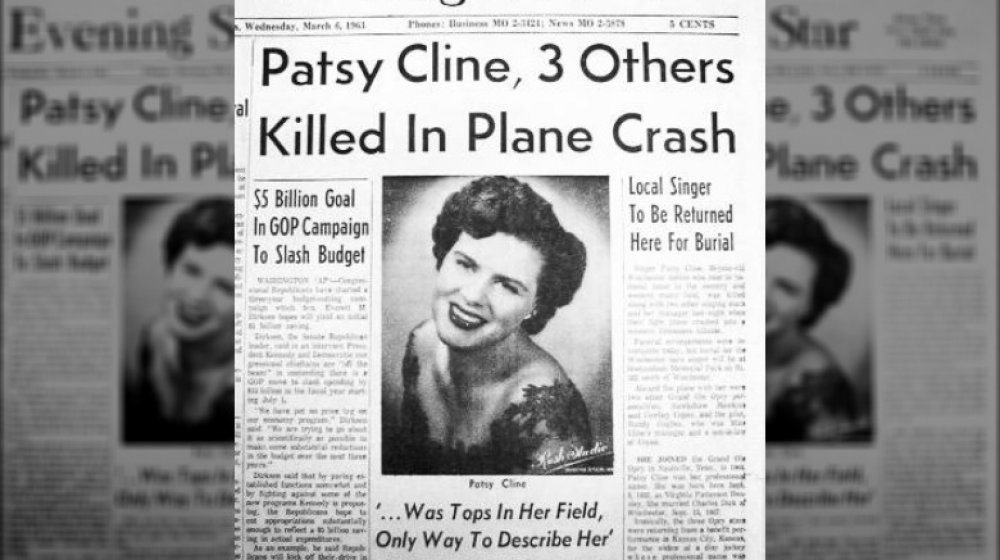
A Voice That Arrived Too Late: The Enduring Tragedy of Patsy Cline
More than half a century after her death, Patsy Cline remains one of the most recognisable voices in American music. Yet behind the effortless control and emotional clarity of her performances lies a story shaped by hardship, delayed success, and a career cut devastatingly short just as it began to flourish.
Born into poverty during the Great Depression, Cline’s early life was marked by instability. Without formal musical training, she developed her voice through instinct and persistence, cultivating a style that would later transcend the boundaries of traditional country music. Those formative struggles would become inseparable from her sound. There was no distance between the singer and the sorrow in her songs.
Her rise, however, was anything but smooth. Early recording contracts offered little financial reward, reflecting an industry that often exploited emerging talent. For years, recognition came slowly, and commercial success remained elusive. It was only in the final stretch of her life that Cline began to experience the kind of acclaim that could alter her day to day reality.
That timing now defines the emotional weight of her legacy. Songs such as “Crazy” and “I Fall to Pieces” are frequently revisited not only for their musical brilliance, but for how eerily they mirror the arc of her life. Themes of heartbreak, longing, and vulnerability resonate with greater intensity when viewed against the knowledge of what was to come.
Her final performances carry a particular sense of poignancy. Audiences at the time could not have known they were witnessing the closing chapter of a career on the brink of transformation. In retrospect, these moments feel suspended between arrival and loss, as though her voice had only just found its full reach.
Cline died in a plane crash in 1963 at the age of 30. In the years that followed, her reputation did not fade but expanded, solidifying her status as a cultural icon whose influence extends far beyond country music.
The enduring fascination with Patsy Cline lies not only in the quality of her voice, but in the unresolved question her story leaves behind. What might she have become had she been given more time? It is a question that continues to echo through every note she left behind, ensuring that her presence remains both immediate and unfinished.