
A quiet plea carried on dry wind and faith, where hope is spoken softly and patience becomes prayer
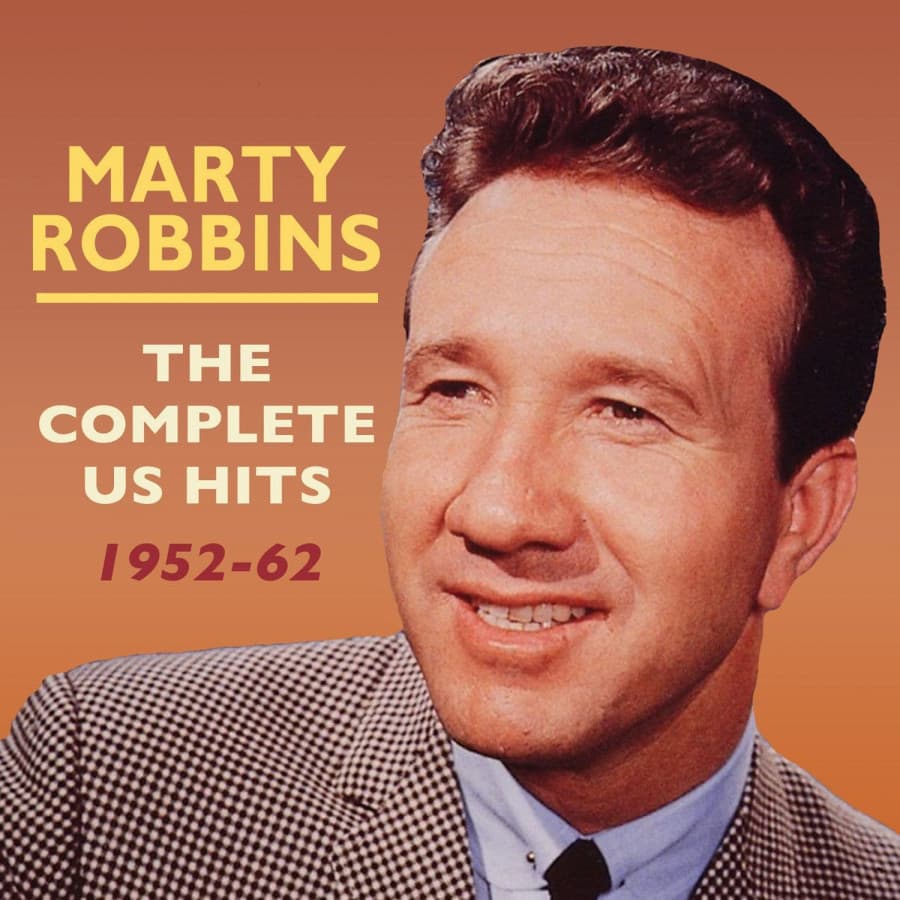
“Prayin’ For Rain” by Marty Robbins is one of those deeply reflective country songs that feels less like a performance and more like a confession. Released in 1969 on the album Marty Robbins Sings Country, the song arrived during a period when Robbins was turning inward, favoring mature storytelling and emotional restraint over grand narrative drama. While it did not emerge as a major crossover hit, the album itself performed solidly on the Billboard Top Country Albums chart, reinforcing Robbins’ enduring relevance in a genre that was rapidly changing around him.
By the late 1960s, Marty Robbins was already firmly established as one of country music’s most versatile and respected voices. Known worldwide for epic story songs like “El Paso” and “Big Iron,” Robbins had nothing left to prove in terms of success or range. What makes “Prayin’ For Rain” so striking is precisely its lack of spectacle. There are no gunfights, no dramatic twists only quiet endurance, humility, and a deep connection to land, time, and belief.
At its core, “Prayin’ For Rain” is built around a simple but powerful image: a man standing in the midst of drought, looking skyward, waiting for relief that has not yet come. In country music, rain has always been more than weather. It is survival, renewal, forgiveness, and grace. Robbins understands this symbolism instinctively. His delivery is calm, measured, almost conversational, as if he knows that desperation spoken too loudly loses its dignity.
The song reflects the lived reality of rural life where nature is not a backdrop but a deciding force. Crops fail, dust settles, time stretches. In this setting, prayer is not theatrical; it is routine, necessary, and deeply personal. Robbins’ voice carries that understanding. He does not plead dramatically; he accepts uncertainty. That acceptance is where the song finds its emotional strength.
Musically, “Prayin’ For Rain” is restrained and grounded. The arrangement leans on traditional country instrumentation, allowing space for the lyric to breathe. There are no unnecessary flourishes, no attempts to modernize the sound. This simplicity serves the song’s message perfectly. Each note feels purposeful, like footsteps across dry ground slow, steady, and deliberate.
The meaning of the song extends beyond its literal narrative. While it speaks of drought and waiting for rain, it also reflects a broader human experience: the long seasons when effort does not immediately bring reward, when faith must exist without evidence. Robbins never defines the prayer too clearly, and that ambiguity is intentional. Rain can mean many things relief, healing, reconciliation, or simply time passing in the right direction.
This emotional openness is one of Marty Robbins’ greatest strengths as a songwriter and interpreter. He trusted listeners to bring their own memories and understanding into the song. Rather than instructing how to feel, he creates space to feel. That approach gives “Prayin’ For Rain” a timeless quality. It belongs as much to quiet evenings as it does to wide open landscapes.
From a historical perspective, the song also represents a moment when country music was beginning to shift away from its rural roots toward more polished, urban themes. Robbins, however, remained deeply connected to traditional values and imagery. “Prayin’ For Rain” feels like a gentle reminder of where the music came from and what it was always meant to express.
Over the years, the song has remained a lesser-known entry in Robbins’ catalog, but those who return to it often do so with a sense of recognition. It is not a song that demands attention. It waits much like the rain it longs for. And when it finally settles in, it does so quietly, leaving behind a feeling of calm reflection rather than resolution.
In “Prayin’ For Rain,” Marty Robbins offers more than a song about weather or hardship. He offers a portrait of patience. Of belief without certainty. Of standing still in a dry season and trusting that something unseen may still be on its way.
 Oldies Songs