
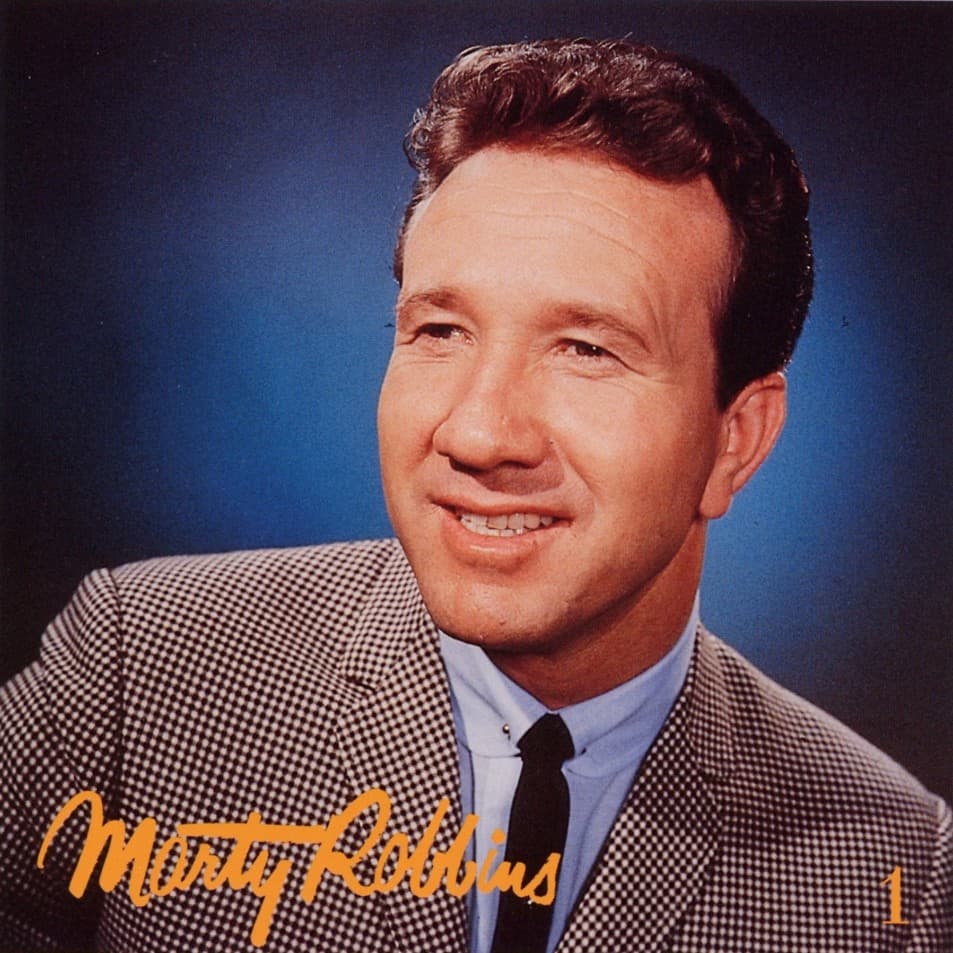
A quiet hymn to home and simple dreams “A Hundred and Sixty Acres” by Marty Robbins
“A Hundred and Sixty Acres” evokes a longing for a peaceful homestead, a world grounded in land, sunlight, and the solace of open skies.
Though not issued as a standalone single, this gentle song by Marty Robbins appears on his classic 1959 album Gunfighter Ballads and Trail Songs. The album itself became a landmark in Western-inspired country music, eventually certified Gold by the RIAA, and widely regarded as a defining work of mid-century Americana. Because the song was not released as a charting single, there is no independent Billboard peak attributed specifically to it.
What the song lacks in chart trophies, it more than makes up for in emotional weight. Written by Dave Kapp, “A Hundred and Sixty Acres” paints a vivid scene of quiet contentment a modest valley plot with “an old stove … a bunk … where I can lay me down to rest,” a simple daily rhythm of rising with the sun and heading home when the day is done, pocket jingling with honest labor. For Robbins often associated with dramatic Western ballads, gunfights and high drama this track reveals else: a tenderness, a wistfulness, and a reverence for simple living that touches the soul.
Musically, the song carries a light, almost breezy pace. Clocking in at around 121 BPM, in the key of G, it carries a major-key warmth that mirrors the song’s lyrical promise of sunshine, open land, and a life unburdened by worry. Robbins’ voice delivers with understated sincerity no bombast, no theatrics just a man speaking from the heart about what he values most: stability, land, and a humble home under wide skies. The arrangement is elegantly spare: guitars, bass, drums, background vocals by The Glaser Brothers, carried by a relaxed rhythm that invites a slow exhale and a gentle smile.
The heart of the song lies in its meaning it’s not grand or dramatic, but humble and real. In the closing lines, Robbins sings of freedom: “I got … a hundred and sixty million stars above / … on the hundred and sixty acres that I love.” It’s a man’s quiet claim to a piece of the earth, a space of his own, where worries fade under open skies. In that simplicity there’s dignity a reminder that true contentment often springs from small things: land, labor, and sunset light across a field.
When Gunfighter Ballads and Trail Songs was released, the western-themed album captured imaginations but “A Hundred and Sixty Acres” stood apart, not for guns or legends, but for its gentle, pastoral lyricism. Over decades, while tracks like “El Paso” gained fame for duels and danger, this song remained a whispered secret among listeners who cherished the quieter side of Robbins’ artistry. As one retrospective review put it, the song “gently summons the longing for a simple, sunlit homestead a place of freedom, peace, and belonging.”
For many who grew up in the post-war era, especially those with memories of rural life or simpler times, the song evokes homesick feelings, a sense of groundedness, and a bittersweet nostalgia for what once was or what might have been. It recalls the smell of fresh earth, the rhythm of sunrise and sunset, and the warmth of a small home that doesn’t need riches, only love and land.
In the grand arc of Marty Robbins’ career, “A Hundred and Sixty Acres” may not stand out as a hit single, but it stands strong as a testament to his versatility the same man who could sing dramatic gun-fighter ballads could also sing quiet hymns to home and heart.
Listening to it today is like stepping into a simpler world: the guitar’s soft strum becomes wind brushing wheat; Robbins’ voice becomes a neighbor’s greeting; and the “160 acres” becomes a dream we keep alive of earth, stars, and the peace of a heart at rest.
 Oldies Songs